High School Semi State Schedule is Set – congrats to Defending Champs Carmel and the Guerin Catholic Girls and Boys teams. Former Carmel FC players on all 3 of those teams. Including both GKs at Guerin.
1. Kokomo 12:30 pm ET | 2A Girls | South Bend Saint Joseph v Guerin Catholic 3 pm ET | 2A Boys | Hammond Bishop Noll v Guerin Catholic 5:30 pm ET | 3A Girls | Crown Point v Hamilton Southeastern
The Guerin Girls & Boys teams – both with former Carmel FC Keepers will travel to Kokomo Sat for Semi-State
2. Chesterton 12 pm CT | 1A Boys | Fort Wayne Blackhawk Christian v Faith Christian 3 pm CT | 1A Girls | Fort Wayne Blackhawk Christian v Oak Hill 6 pm CT | 3A Boys | Goshen v Carroll (Fort Wayne)
South
3. Evansville North 12:30 pm CT | 2A Girls | Tri-West Hendricks v Evansville Memorial 3 pm CT | 3A Boys | Carmel v Castle 5:30 pm CT | 2A Boys | Covenant Christian v Gibson Southern
The Carmel Boys will travel down to Evansville to Face Castle – as they look to defend their crown from last season.
4. Whiteland 12 pm ET | 3A Girls | Brownsburg v Center Grove 3 pm ET | 1A Boys | Oldenburg Academy v Forest Park 6 pm ET | 1A Girls | Switzerland County v Providence
Indy 11 can Earn Playoff Spot with Win at Charleston Sat 6 pm on ESPN+
Indy Eleven can earn its third playoff berth in the last four years with a victory at Charleston Battery in the regular-season finale on Saturday at 6 p.m. on ESPN+. A Boys in Blue victory will clinch the final Eastern Conference playoff berth. Louisville, Ky. – Indy Eleven captain Aodhan Quinn became the USL Championship All-Time Assist Leader with his 67th career assist in regular-season play during the Louisville-Indianapolis Proximity Association Football Contest (LIPAFC) at Louisville City FC on Saturday. A 4-1 loss. In the 71st minute, Quinn took a corner kick from the right side and curled an inswinger at the edge of the six to 6’5 defender Makel Rasheed, who elevated to volley it inside the near post for his first Indy Eleven and USL Championship goal. Quinn has recorded assists in back-to-back games to increase his season total to a team-high six in 2026 league play. He won the 2025 USL-C Golden Playmaker Award with a franchise-record 11 assists, becoming the first Indy Eleven player in franchise history (NASL and USL-C) to win a statistical category. The 34-year-old Quinn has 21 assists for the Boys in Blue in all competitions, trailing only Ayoze with 22 from 2018-22 on the franchise all-time list.
El Classico – Barcelona vs Real Madrid – Sun 4 pm on ABC
One of the most storied rivalries in sports writes a new chapter on Sunday, when Barcelona takes on Real Madrid in the 265th official El Clásico. The game will air on ABC, with a live, one-hour pre-match show beginning at 3 p.m. It will also be available live on ESPN+, ESPN Deportes and on the ESPN App Stories below.
TV Schedule
Thur, Oct 15 Europa League 12:45 pm CBSSN Lyonnais vs Crystal Palace 12:45 pm Para + Salzburg vs AC Milan (Pulisic, Musah ) 3 pm CBSSN Benefica vs Celtic (Trusty) 3 pm Para+ Celta de Vigo vs Juventus (McKinney) 3 pm Para+/TUDN Marseille (Weah) vs Olympiakos Fri, Oct 16 8 pm Amazon Prime Boston Legacy vs Racing Louisville FC NWSL
Sat, Oct 17 7:30 am USA Everton vs Chelsea 7:30 am Galazo Watford vs Lincoln City 8 am ESPN+ Espanyol vs Atletico Madrid 10 am NBCSN/Pea Brentford vs Liverpool 10 am USA Man City vs Ipwich Town 10 am NBCSN/PEa Fullham (Robinson) vs Hull City 10 am Para+ Wrexham vs Preston North End 12 noon Para+ Inter Milan vs Bologna 12:30 pm ESPN+ Barcelona vs Real Betis 12:30 pm NBC Newcastle United vs Aston Villa 12:30 pm USA Bayern Munich vs RB Leipzig 12:30 pm CBS Washington Spirit (Rodman) vs Gotham FC (Lavelle) 2:30 pm Apple Free Philly Union (Sullivan) vs Charlotte 6:30 pm Ion/Tubi Utah Royals vs KC Current (NWSL) 7 pm My Indy TV 23 Indy 11 @ Louisville 7:30 pm Apple free Atlanta United vs Inter Miami (Messi) 8:45 pm Ion/Tubi Denver Summit (Heaps) vs Angel City (Thompson) NWSL 10:30 pm Apple Free Seattle Sounders vs FC Montreal 10:30 pm Apple Free LA Galaxy vs San Diego
TV Schedule
Fri, Oct 23 8 pm Amazon Prime Chicago vs Houston Dash NWSL
Sat, Oct 24 7:30 am USA Aston Villa vs Man City 7:30 am Galazo Watford vs Lincoln City 10 am NBCSN/Pea Coventary City vs Fullham (Robinson) 10 am USA Arsenal vs Everton 12 noon Para+ Napoli vs Roma 12:30 pm ESPN+ Valencia vs Viarreal 12:30 pm NBC Chelsea vs Tottenham 3:30 pm Apple Free Columbus vs Toronto 5:30 pm Apple Free NY RB vs Miami 6:30 pm Ion/Tubi Denver Summit vs Racing Louisville (NWSL) 6 pm ESPN+ Indy 11 @ Charleston Battery 8:45 pm Ion/Tubi Bay FC vs Angel City (Thompson) NWSL 10:30 pm Apple Free Seattle Sounders vs San Diego
Sun, Oct 25 10 am USA Pea Crystal Palace (Richards) vs Newcastle 10 am Peacock Liverpool vs Brighton 10 am NBCSN Man United vs Bournemouth (Adams) 12:30 pm USA Leeds United vs Sunderland 3 pm CBSSN Orlando Pride vs Gotham FC (Rose) NWSL 3:454 pm PAra+ AC Milan (pulisic, Musah) vs Udinese 4 pm ABC, ESPND Barcelona vs Real Madrid (Mbappe) 5 pm ESPN KC current vs Washington Spirit (Rodman) NWSL 9 pm Apple TV LAFC vs LA Galaxy EL TRAFFICO
USMNT weekend viewing guide: Fall colors
Follow along with all the action this weekend. by Justin Moran
Weekend action is here. All MLS games are on MLS Season Pass on Apple TV, in addition to any other options listed. All kickoff times are in Eastern time. Let’s get into it!
Friday
Stuttgart vs Borussia Mönchengladbach, 2:30p on Peacock, UNIVERSO, Fubo: Joe Scally and Gladbach visit VfB Stuttgart in the Bundesliga.
Bolton vs Middlesbrough, 3p: Sebastian Berhalter, Aidan Morris, Max Arfsten, and Middle’Merica visit Bolton Wanderers in the EFL Championship. Rokas Pukštas is out with a hamstring injury.
Saturday
Paderborn vs Hamburg, 9:30a on Peacock: Santiago Castañeda and SC Paderborn host Hamburger SV in Bundesliga action.
Coventry vs Fulham, 10a on Peacock: Antonee Robinson and the Cottagers visit Coventry City in the Premier League. Haji Wright is still out injured for Coventry; FotMob lists him as expected to return in early November.
Preston vs West Brom, 10a on Paramount+: George Campbell and the Baggies host Preston North End in the EFL Championship. Caleb Wiley is questionable for Preston with an injury, though he was back in training last week.
Stoke vs Bristol City, 10a: Jack McGlynn, Luca Bombino, and Stoke City host Bristol in the EFL Championship.
Dortmund vs Frankfurt, 12:30p on USA, Peacock: Will Mathis Albert get any Bundesliga minutes for BVB at home against Eintracht Frankfurt?
Valencia vs Villarreal, 12:30p on ESPN+ (free trial), ESPN Deportes, Fubo: Alex Freeman and Villarreal visit Valencia in La Liga.
CF Montréal vs Nashville SC, 1:30p: Brian Schwake and Nashville pay a visit to Jalen Neal and Montréal in MLS.
Atlético Madrid vs RC Deportivo, 3p on ESPN+, ESPN Deportes, Fubo: Johnny Cardoso and Atléti host Deportivo La Coruña in La Liga.
NY Red Bulls vs Inter Miami, 5:30p: Adri Mehmeti, Julian Hall, Justin Che, Ethan Horvath, and the Red Bulls host Rocco Ríos Novo and Inter Miami in MLS.
Orlando City vs NYCFC, 7:30p: James Sands, Matt Freese, and the Pigeons visit Justin Ellis, Daryl Dike, and the Lions in MLS.
Philadelphia Union vs New England, 7:30p: Cavan Sullivan, Neil Pierre, Frankie Westfield, Quinn Sullivan, and the Union welcome Peyton Miller, Matt Turner, Brooklyn Raines, Joshua Wynder, and the Revs into town for this MLS game.
Sunday
Hibernian vs Celtic, 8a: Cameron Carter-Vickers (questionable due to injury), Auston Trusty (availability uncertain as his father passed away this week), Landon Emenalo (just made his Hoops debut) and Celtic host Hibs in the Scottish Premiership.
Midtjylland vs Lyngby, 9a: Diego Kochen and Lyngby visit FC Midtjylland in the Danish Superliga.
PSV vs Feyenoord, 9:30a on ESPN+, Fubo: Sergiño Dest and PSV host Feyenoord in the Eredivisie. PSV boss Peter Bosz has said that Ricardo Pepi may be able to make his injury return in this game.
Crystal Palace vs Newcastle, 10a on USA, Telemundo, Fubo: Chris Richards, Zavier Gozo, and Palace host Newcastle United in the Premier League.
Manchester United vs Bournemouth, 10a on Peacock: Tyler Adams and the Cherries visit Manchester United the Premier League. United come in fresh off a 4-1 loss to Como.
Monaco vs Lille, 10a on beIN Sports, Fubo: Folarin Balogun and Monaco host LOSC Lille in Ligue 1.
Hoffenheim vs Leverkusen, 10:30a on Peacock: Malik Tillman, Montrell Culbreath, and Bayer Leverkusen visit TSG Hoffenheim in the Bundesliga.
Marseille vs Le Havre, 12:15p on beIN Sports, Fubo: Tim Weah and OM host Le Havre in Ligue 1.
Rennes vs Strasbourg, 12:15p on Fubo: Gio Reyna and Strasbourg visit Bryan Reynolds and Stade Rennais in Ligue 1.
Toulouse vs Troyes, 12:15p: Mark McKenzie continues his farewell tour with Toulouse as they host ESTAC Troyes in Ligue 1.
Sunderland vs Leeds United, 12:30p on USA: Brenden Aaronson and Leeds visit Sunderland in Premier League action.
Lecce vs Juventus, 1p on Paramount+, Peacock, UNIVERSO, CBS Sports Golazo: Weston McKennie and Juve visit Lecce in Serie A.
Rio Ave vs Famalicão, 2p: Jalen Blesa and Rio Ave visit Famalicão in Liga Portugal.
PSG vs Lyon, 3:45p on beIN Sports, Fubo (free trial): Tanner Tessmann and OL visit Paris Saint-Germain in Ligue 1.
Udinese vs AC Milan, 3:45p on Paramount+, Peacock, Telemundo, CBS Sports Golazo: Christian Pulisic, Yunus Musah, and Milan visit Udinese in Serie A.
Looking to Get a Professional Company Headshot? Check out https://capturely.com/ Tell Rob The Ole Ballcoach Shane Best sent you and he’ll give you a deal.
Coming home from Practice or Games at Badger Fieldhouse? Need food for a Graduation, end of school party, World Cup or Back to School Party? Call Ryan now to ask about catering options at 317-688-7290. Try out the Best BarBQ in Town right across the street (131st) from Northview Church on the corner of Hazelldell & 131st. RackZ BBQ
Save 20% on your order
(mention the ole ballcoach)
Need some good ole AMERICAN BarBQ for the preschool parties, end of summer picnics or group outings? Check out the BarBQ Ribs, pulled Pork and Chicken, Brisket and more. Sweet, Tangy or Spicy sauce. Mention you heard about it from the Ole Ballcoach — and Ryan will give you 20% off your next meal. https://www.rackzbbqindy.com/Call ahead at 317-688-7290 M-Th 11-8 pm, 11-9 Fri/Sat, 12-8 pm on Sunday. Pick some up after for watch parties – Its good eatin! You won’t be disappointed and tell ’em the Ole Ballcoach Sent You!
Advertisement
Save 20% on these Succulent Ribs at Rackz BarBQ when you mention the Ole Ballcoach – Corner of 131 & Hazelldell. – Call 317-688-7290.
======================RackZ BAR BQ ====Save 20% ======================
High School Semi State Schedule is Set – congrats to Defending Champs Carmel and the Guerin Catholic Girls and Boys teams. Former Carmel FC players on all 3 of those teams. Including both GKs at Guerin.
1. Kokomo 12:30 pm ET | 2A Girls | South Bend Saint Joseph v Guerin Catholic 3 pm ET | 2A Boys | Hammond Bishop Noll v Guerin Catholic 5:30 pm ET | 3A Girls | Crown Point v Hamilton Southeastern
2. Chesterton 12 pm CT | 1A Boys | Fort Wayne Blackhawk Christian v Faith Christian 3 pm CT | 1A Girls | Fort Wayne Blackhawk Christian v Oak Hill 6 pm CT | 3A Boys | Goshen v Carroll (Fort Wayne)
South
3. Evansville North 12:30 pm CT | 2A Girls | Tri-West Hendricks v Evansville Memorial 3 pm CT | 3A Boys | Carmel v Castle 5:30 pm CT | 2A Boys | Covenant Christian v Gibson Southern
4. Whiteland 12 pm ET | 3A Girls | Brownsburg v Center Grove 3 pm ET | 1A Boys | Oldenburg Academy v Forest Park 6 pm ET | 1A Girls | Switzerland County v Providence
High School Regional Finals feature former CFC Players
Carmel’s offense has caught finally caught fire this postseason in Class 3A. The Greyhounds fired 15 goals in the regular season before they posted 11 goals in the Sectionals they hosted. Sophomore Sebastien Shunk was responsible for five of those goals. He was the hat trick hero in Carmel’s 3-0 win over North Central in the sectional championship. Shunk scored his hat trick two days after he scored twice in Carmel’s 2-1 win over Noblesville in the semifinals. He entered the postseason with two goals. The defending State Champs will travel to face Lawrence North Thur night 6 pm Tix https://public.eventlink.com/tickets?t=213473.
Former Carmel FC defender Landon Carlin a Senior at Carmel High along with mom, and his dad Sean Carlin (former CFC Coach) and grandma. Regional Finals are Sat 4:30 pm at CHS Murray Stadium!
University High School with former CFC Coach Jim Ruden has his boys in the 1A Regional Finals vs Faith Christian Played at Taylor High School (4:00 PM). 2A Guerin Catholic boys will face Maconaquah at Northwestern High School (4:00 PM)
Champions League Results
Man Champions League never disappoints – the Holders PSG pounded Man City at City 4-2 scoring 2 goals in the first 10 minutes. My Atletico Madrid shut down Man United 2-0 and Real Madrid scored 3 goals in the last 10 minutes as Jose Mourino returned to Roma and led Real to the comeback 4-3. Other favorites were not so lucky however as Club Brugge upset Inter Milan 4-3, Bode/Glint knocked off Dortmund 1-0 and Bayern Munich having to score 2 late to tie Viking. The table after matchday 2 https://www.livesoccertv.com/competitions/international/uefa-champions-league/. Matchday 3 next Tues/Wed with some huge games.
Indy 11 loses to Tampa 3-1 head to Louisville Sat 7 pm on MyIndy TV23, CBSSN
Indianapolis – The Race to the 2026 USL Championship Playoffs comes down to the final two games of the regular season for Indy Eleven after the Boys in Blue fell to USL-C Players’ Shield leader Tampa Bay Rowdies 3-1 at Carroll Stadium.Indy Eleven travels to Louisville City FC Saturday at 7 p.m. on MyINDY-TV 23 and CBS Sports Golazo Network, before finishing the regular season at Charleston Battery on October 24. The top eight teams in the East after play on Decision Day will compete in the playoffs. The Boys in Blue trail eighth-place Miami FC by two points with Miami having just one game left.
US Ladies lose 2-0 & tie 2-2 to #1 Spain
Ok no question who #1 in the World is and its not the US. Sure the US is Emily Sonnet missing the center of Defense with Girma (gone/constantly injured since the Olympics after leaving for Chelsea) and and honestly the D looked as bad as I can EVER remember for the US in the first half of game 2 Tues. All credit to the US for coming out in the 2nd half and scoring 2 goals to tie things up. But still Spain was missing 4 starters. Obviously Coach Hayes needs to figure out who the heck can play at Center D as relying on Girma to play at this point seems like a bad idea. Hayes subs made a huge difference as the US dominated after they came out – eventually outshooting Spain 15-12, 6-5 on goal and more corners and double the possession in the 2nd half. Nice to see the NWSL leading scorer Ashley Sanchez scored (goal https://www.instagram.com/reel/DedFnX2Ev6L/ ) after not being called in for 2 years. Similar for Swanson (Smith) as she scored https://www.instagram.com/uswnt/reel/DeetXXKlfAr/ for the first time for the US team since the Olympics gold medal game after having a child last year. (Full Highlights https://www.youtube.com/watch?v=vbHdxLkS9qI. Still while it was nice to see the US fight back — there is no doubt Spain is #1 less than a year out from the 2027 World Cup in Brazil.
Ben’s BBQ Shack near Grand Park has the Best Dang Brisket you can buy in Indiana
Ben’s BBQ Shack – near Grand Park in Westfield IN — The Best Dang Brisket in Indy! (937) 823-0747 Get there early Thur-Sun 11:30 – 3 pm www.bensbbqshack.comGet directions Ben’s BBQ Shack Video Always fun catching a game with Alex. Here we are doing the ladies downtown. Good luck on your upcoming wedding.
TV Schedule
Thur, Oct 15 Europa League 12:45 pm CBSSN Lyonnais vs Crystal Palace 12:45 pm Para + Salzburg vs AC Milan (Pulisic, Musah ) 3 pm CBSSN Benefica vs Celtic (Trusty) 3 pm Para+ Celta de Vigo vs Juventus (McKinney) 3 pm Para+/TUDN Marseille (Weah) vs Olympiakos Fri, Oct 16 8 pm Amazon Prime Boston Legacy vs Racing Louisville FC NWSL
Sat, Oct 17 7:30 am USA Everton vs Chelsea 7:30 am Galazo Watford vs Lincoln City 8 am ESPN+ Espanyol vs Atletico Madrid 10 am NBCSN/Pea Brentford vs Liverpool 10 am USA Man City vs Ipwich Town 10 am NBCSN/PEa Fullham (Robinson) vs Hull City 10 am Para+ Wrexham vs Preston North End 12 noon Para+ Inter Milan vs Bologna 12:30 pm ESPN+ Barcelona vs Real Betis 12:30 pm NBC Newcastle United vs Aston Villa 12:30 pm USA Bayern Munich vs RB Leipzig 12:30 pm CBS Washington Spirit (Rodman) vs Gotham FC (Lavelle) 2:30 pm Apple Free Philly Union (Sullivan) vs Charlotte 6:30 pm Ion/Tubi Utah Royals vs KC Current (NWSL) 7 pm My Indy TV 23 Indy 11 @ Louisville 7:30 pm Apple free Atlanta United vs Inter Miami (Messi) 8:45 pm Ion/Tubi Denver Summit (Heaps) vs Angel City (Thompson) NWSL 10:30 pm Apple Free Seattle Sounders vs FC Montreal 10:30 pm Apple Free LA Galaxy vs San Diego Sun. Oct 17 9 am NBBSN Crystal Palace (Richards) vs Brighton 9 am USA Leeds United (Aaronson) vs Man United 11:30 am NBCSN Nottingham vs Arsenal 1 pm CBSSN Houston Dash vs Orlando Pride NWSL 12 pm Para+ AC Milan (Pulisic, Musah) vs Atalanta 2:45 pm Para+ Juventus (McKinney) vs Lazio 3 pm ABC Real Madrid vs Sevilla 5 pm ESPN Bay FC vs Portland Thorns 5 pm Apple Free Cincy vs Columbus Crew Tues, Oct 20 CHAMPS LEAGUE 12:30 pm CBSSN Sabah vs Dortmund 12:45 pm Univ, Para+ Lask Linz vs Liverpool 3 pm Para+ PSG vs Barcelona 3 pm Para+ Liverpool vs Villareal 3 pm Para+ Atletico Madrid (Cordosa) vs Stuttgart 3 pm CBSSN Porto vs PSV (Dest, Pepe) 3 pm Para+ Napoli vs Bode/Glimt
USMNT weekend viewing guide: A hard start
Oct 16, 2026, 3:52 PM EDT
COLOGNE, GERMANY – OCTOBER 11: Joe Scally of Borussia Monchengladbach celebrates scoring his team’s first goal with Daiki Hashioka during the Bundesliga 2026/27 match between 1. FC Köln and Borussia Mönchengladbach at RheinEnergieStadion on October 11, 2026 in Cologne, Germany. (Photo by Lars Baron/Getty Images)Getty Images
It’s still relatively early in their respective seasons but it has been a rough start for a number of USMNT players plying their trade across Europe. The last place spots in Italy, Germany, and England are all currently occupied by teams featuring American’s and all are still looking for their first victory on the season. That doesn’t even include Bournemouth who are also winless in the EPL through six but technically not in last place. Things aren’t all bleak as there have been some players off to solid starts as well, and others who are seeing an increase in minutes after early season struggles.
Saturday
Middlesbrough v Cardiff City — 7:30a on Paramount+: The Americans in Middlesbrough are on a eight match undefeated streak including back to back wins over fellow promotion candidates Wolves and Stoke City. Aidan Morris has played every minute during Middlesbrough’s run and Sebastian Berhalter has been a regular start though Max Arfsten has typically been coming off the bench and Rokas Pukštas was not included in the squad for the last two matches. Middlesbrough’s opponent for this weekend is 19th place Cardiff City who’s two wins this season have come in the last three matches they’ve played.
Espanyol v Atlético Madrid — 8:00a on ESPN+: Johnny Cardoso went 90’ midweek in Atletico Madrid’s 2-0 win over Manchester United in the group stage of Champions League play. Cardoso had a goal in the match called back due to a handball in the buildup but had a very solid game regardless. Cardoso has started the last four matches across all competitions but unfortunately will miss this weekend’s trip to Espanyol due to an illness that has kept him out of practice the last few days.
Venezia v Napoli — 9:00a on Paramount+: Gianluca Busio has reportedly returned to training after missing the past two matches with a hamstring strain. It’s none to soon for a desperate Venezia side that is still looking for it’s first points on the season and have a negative 11 goal differential through their first six matches. If Venezia could find some form they could still drag themselves out of the relegation zone, there is a cluster of five teams currently on four points still early in the Serie A season. Venezia will be facing a Napoli side that defeated Frosinone 3-0 last weekend but are coming off a 3-1 defeat to Villarreal midweek in Champions League play.
Elversberg v Augsburg — 9:30a on Fandango: Cole Campbell came on as a substitute for Elversberg and played 20’ in the team’s 1-0 loss to Union Berlin. Elversberg are now 2-1-2 on the season with all of their matches being decided by a single goal. They will now face an Augsburg side coming off a 2-2 home draw with Bayern Munich.
Union Berlin v Borussia Dortmund — 9:30a on Fandango: I am a man of the people, I’ve heard your comments and so Mathis Albert is back in the viewing guide this weekend. Albert, who was with the USMNT over the recent international break, and was briefly the youngest goal scorer in USMNT history, has yet to appear in Bundesliga play for Borussia Dortmund this season so this isn’t exactly appointment viewing but the people asked, and the people get what they want. Albert’s Dortmund side are tied on points for first place with Freiburg and their first stumble of the season came last weekend in a 2-2 draw with Werder Bremen.
Fulham v Hull City — 10:00a on Peacock: Antonee Robinson missed last weekend’s Fulham match due to an ankle injury but is reportedly available this weekend as Fulham host Hull City. Fulham fell to Ipswich Town 2-1 and are in last place in the EPL, still looking for their first victory of the season.
Villarreal v Elche — 10:15a on ESPN+: Alex Freeman has started three straight league matches for Villarreal but came off the bench midweek in the team’s 3-1 win over Napoli in Champions League action. Freeman has been playing very well when he has seen minutes and was among the highest rated players in last weekend’s 1-0 loss to Real Madrid.
ADO Den Haag v PSV – 10:30a on ESPN+: Ricardo Pepi remains out but Sergino Dest continues to rack up the minutes for PSV who defeated Heerenveen 2-0 last weekend but fell midweek to RB Leipzig in Champions League play.
Strasbourg v PSG – 11:15a on beIN Sports: Gio Reyna came off the bench for Strasbourg last weekend,. snapping a run of eight consecutive starts across all competitions. Reyna did come in for the final 27’ with Strasbourg level at the time but it was Nice who would find the winner as Strasbourg fell 2-1. The team will now face a PSG side that are currently in sixth place in Ligue 1 but coming off a 4-2 victory over Man City in Champions League action.
MLS on Apple TV Free :
Philadelphia Union v Charlotte FC — 2:30p: Cavan Sullivan, Quinn Sullivan, Neil Pierre, Frankie Westfield
St. Louis CITY v Minnesota United — 4:30p: Damion Downs
LAFC v NYCFC — 7:30p: Matt Freese
Toronto FC v New York Red Bulls — 7:30p: Caden Clark, Adri Mehmeti, Julian Hall
Chicago Fire v New England Revolution — 7:30p: Chris Brady, Matt Turner, Peyton Miller, Brooklyn Raines
Montréal v Seattle Sounders — 10:30p: Cristian Roldan
Nashville SC v San Jose Earthquakes — 10:30p: Brian Schwake
Sunday
Leeds United v Manchester United — 9:00a on USA Network / Telemundo: Brenden Aaronson came off the bench again last weekend and played the final 19’ as Leeds fell to Arsenal 2-1. It was the first defeat of the season for Leeds who are now in seventh place as they’ve also won just two matches through their first six. It appears that Leeds have settled on a super-sub role for Aaronson at this point as he’s not started since the second match of the season when he was substituted off at the half.
Bournemouth v Sunderland – 9:00a on Peacock: Tyler Adams and Bournemouth are among the clubs that are still looking for their first win on the season after getting thumped by Chelsea 5-1 last weekend. Bournemouth will now host Sunderland who have one win, and sit a point ahead of them in the EPL table.
Brighton v Crystal Palace — 9:00a on Peacock: Chris Richards and Crystal Palace defeated Nottingham Forest 3-1 last weekend but fell to Tanner Tessmann’s Lyon 3-2 on Thursday in Europa League action. Richards started and played the full 90’ in both matches. Zavier Gozo on the other hand has not been included in the matchday squad recently and was with the U21’s this week.
Angers v Marseille — 9:00a on beIN SPORTS: Timothy Weah was serving a one match suspension last weekend as Marseille defeated Troyes 2-0 but was back wearing the captains armband on Thursday in Europa League action. Unfortunately, Marseille dropped points at home to Olympiacos and are still looking for their first points of that competition. Marseille are in 13th place and will trave to 12th place Angers this weekend.
Bayer Leverkusen v Freiburg — 9:30a on Fandango: Malik Tillman scored his first goal of the 2026-27 campain on Thursday as Bayer Leverkusen defeated Polish side Lech Poznan 4-0 in Europa League play. Perhaps the goal will give a boost of confidence to Tillman who has struggled early in Bundesliga play and seen just 29’ in the teams past three matches.
Lorient v Monaco — 11:15a on beIN SPORTS: Folarin Balogun has come off the bench in the past two matches for Monaco and it’s unclear whether he is working his minutes up still since being held out the first four matches of the season or if he will be used in a substitute role until the January transfer window when he seems likely to move. He was not included in the squad that traveled to Bulgaria on Thursday to face CSKA Sofia.
Borussia Mönchengladbach v Hoffenheim — 11:30a on Fandango: Joe Scally scored his second goal of the season last Sunday but Borussia Monchengladbach fell again and have opened the season with five consecutive losses. This week they are hosting a Hoffenheim side that have lost four of five themselves and six of seven across all competitions.
AC Milan v Atalanta — 12:00p on Paramount+ / Peacock: Christian Pulisic started again last weekend and then came off the bench midweek in AC Milan’s 4-0 win over Salzburg. Yunus Musah was an unused sub on Thursday but also started last weekend. Milan are technically undefeated on the season but have drawn three matches already and are in fifth place. They are facing an Atalanta side that have won three and lost three.
Lyon v Nice — 2:45p on beIN SPORTS: Tanner Tessmann has yet to receive a league start and came off the bench on Thursday as well in Lyon’s 3-2 win over Crystal Palace and USMNT member Chris Richards. Lyon fell for the first time last weekend, 2-1 to Lens, and are in fourth place as they get set to host Nice.
Juventus v Lazio — 2:45p on Paramount+ / Peacock: Weston McKennie started last weekend but was subbed with Juventus down a goal at the half to Cagliari. McKennie was back in the starting lineup and wearing the captains armband on Thursday as he played 90’ in Juve’s 2-1 win at Celta Vigo. Juventus will host second place Lazio on Sunday who’s only stumble to start the Serie A campaign has been a 2-2 draw with AC Milan.
MLS Apple TV Free
Cincinnati v Columbus – 5p: Patrick Schulte
The international window may be closed but the NWSL is open for business this weekend. Saturday’s slate brings the heat with four matches that are make or break for playoff dreams. The day kicks off with the last Rivalry Match, presented by Ally, of the season. After the USWNT takeover of Audi Field, the Spirit are right back at home hosting Gotham in a champ rematch. Just three matchweeks are left in the season, and only two clubs have punched their tickets to the postseason. It’s crunch time.
USMNT midweek viewing guide: Chaaampioons again
Follow along with all the action this week. Thursday
Lech Poznań vs Leverkusen, 12:45p on Paramount+: Malik Tillman, Montrell Culbreath, and Bayer 04 visit Polish opposition in the Europa League.
Lyon vs Crystal Palace, 12:45p on CBS Sports Network, Paramount+, Fubo, TUDN: Chris Richards, Zavier Gozo, and Palace visit Tanner Tessmann and OL in Europa League.
RB Salzburg vs AC Milan, 12:45p on Paramount+: Christian Pulisic, Yunus Musah, and Milan visit RB Salzburg in the Europa League.
CSKA Sofia vs Monaco, 12:45p on Paramount+: Folarin Balogun and AS Monaco are on the road in Conference League action.
Bournemouth vs Sturm Graz, 3p on Paramount+: Tyler Adams and the Cherries host Austrian side Sturm Graz in the Europa League.
Benfica vs Celtic, 3p on CBS Sports Network, Paramount+, Fubo: Cameron Carter-Vickers, Auston Trusty, Landon Emenalo, and Celtic visit Benfica in Europa League action.
Celta Vigo vs Juventus, 3p on Paramount+, TUDN, UniMás: Weston McKennie and Juve visit Luca de la Torre’s old club Celta Vigo in Europa League.
Also in action:
Dinamo Zagreb vs Anderlecht, 3p on Paramount+: 17-year-old Belgian-American attacker Noa Ojea and Anderlecht visit Dinamo Zagreb in Europa League.
Marseille vs Olympiacos, 3p on Paramount+: Tim Weah and OM host Greek side Olympiacos in Europa League.
Rennes vs OFI Crete, 3p on Paramount+: Bryan Reynolds and Stade Rennais host OFI Crete in Europa League.
St. Truiden vs Iberia 1999, 3p on Paramount+: 24-year-old Japanese-American left back Taiga Hata and STVV host Iberia 1999 in Conference League.
Friday
Le Mans vs Toulouse, 2:45p on beIN Sports, Fubo: Mark McKenzie continues his Ligue 1 farewell tour away to Le Mans before returning to Philly in the new year.
Also in action:
Holstein Kiel vs Hertha Berlin, 12:30p: John Tolkin and Holstein Kiel host Hertha BSC in the 2. Bundesliga.
Standard Liège vs FCV Dender, 3p: Marlon Fossey and Standard host Dender in the Belgian Cup.
Looking to Get a Professional Company Headshot? Check out https://capturely.com/ Tell Rob The Ole Ballcoach Shane Best sent you and he’ll give you a deal.
Interested in advertising in TheOleBallcoach? Learn More shanebestsoccer@gmail.com
Your Weekly Premier League Joy — Presented by New Balance Courtesy of Men In Black
Manchester City vs. Ipswich Town (Saturday, 10 a.m. ET, USA)
Manchester City’s un-apology tour continues with their first Premier League home game since the “Dark Wings, Dark Words” judgement. Tune in for football lived through a split screen: On one hand Manchester City sit perfect atop the Premier League. Six wins from six, 16 goals scored and only five conceded. On the other, until there is clarity over the nature of their punishment, tune in to watch a team proud in purgatory, as the fans live out their alternate narrative, clutching bananas, reveling in their retro-shirt symbolism, and cheering every referee Enzo pushes over. This one will feel part competitive sporting spectacle, part WWE fake, but let’s watch anyway, especially because Ipswich save their goal-scoring best for the 90th minute onward.
Rog-Stradamus: Ipswich last won at City in the league in Nov. 2000. 2026 will not be the year they change that: Man City have blasted 10 goals past them in their last two meetings. This one stinks of a Haaland-inflected 4-0 Citeh stroll.
Leeds United vs. Manchester United (Sunday, 9 a.m. ET, USA)
Could there be a worse bear pit for Michael Carrick to visit and attempt to snap his five-game all-comps funk without a win? United are in the midst of their worst start to a season in 40 years and have not won at Elland Road since 2002. Daniel Farke has locked him in that penitentiary on five of their last head-to-heads. Let the War of the Roses commence.
Rog-Stradamus: Leeds will attack United with the same venom Lisandro Martínez attacked United. Remember, last January’s 1-1 draw in this fixture was the last game one Ruben Amorim had as United manager… just saying. Leeds 2-1.
Nottingham Forest vs. Arsenal (Sunday, 11:30 a.m. ET, Peacock)
Intriguing clash. Oliver Glasner’s team has been organized, albeit with little to show for it. Arsenal have needed second-half finishers to pick up the slack created by some stodgy first half performances. This statistic is fascinating though: Arteta’s boys have scored 20 of their 21 goals in open play in all competitions this season, the highest ratio of any Premier League side (95%). Corners are for losers.
Rog-Stradamus: Arsenal have conceded first in three of their last four league games. They change that here with a grinding 1-0 win.
Brighton vs. Crystal Palace (Sunday, 9 a.m. ET, Peacock)
The hate with no reason El Clásico. Third-place Brighton are scoring for fun and soaring. Palace have defensive agonies and are yet to truly cohere under Pierre Sage. However, the Seagulls have not pecked the Eagles since 2024.
Rog-Stradamus: Barnstormer of the week: 3-2 pecking.
Brentford vs. Liverpool (Saturday, 10 a.m. ET, Peacock)
Unbeaten Brentford remain annoyingly, consistently, pragmatically good. Liverpool will arrive telling themselves that a 6-3 win at Austrian champions LASK, sparked by a — yes, this happened —Bradley Barcola hat-trick, means they are back. Doubts remain about the fitness of Alexander Isak, Cody Gakpo and Dominik Szoboszlai, and with Ryan Gravenberch suspended after this quasi-dodgy red card, this is going to be another Wirtz Weekend. Liverpool have a long list of foreign heroes, all of who soared immediately — see Xabi Alonso, Luis Suárez. They will go as Barcola and Wirtz go.
Rog-Stradamus: Kelleher revenge game. EpiPens at the ready, Reds. Bees 2-1.
Bournemouth vs. Sunderland(Sunday, 9 a.m. ET, Peacock)
Can we just take a moment to marvel that both these teams are in Europe. Sunderland crashing in instantly after promotion. Tiny Bournemouth led by an American owner who promised Europe for his club when he took over and was widely mocked for doing so. Both clubs appear to be paying the price for living their dreams. Their limited squads will play nine games this month, and Sunderland sit 17th with the Golden War Cherries a place below them.
Rog-Stradamus:Brian Brobbey is traveling. If he does not start, 1-0 to The Cherries.
Everton vs. Chelsea (Saturday, 7:30 a.m. ET, USA)
Jordan Henderson and Xabi Alonso return to the blue half of Merseyside with a team who score for fun but are yet to keep a clean sheet this season. Their kaleidoscopic front three will be stiffened by the return of Moisés Caicedo in midfield. The sword and shield Chelsea have been crying out for, especially now after Reece James has agonizingly been ruled out for three months.
Rog-Stradamus: Chelsea have scored in the first 10 minutes in five of their six league games this season. The terror I feel as I type that cannot be described. Everton have lost just once at home to Chelsea in the past nine years. Make that two. 3-1 as Cole Palmer runs rampant.
Tottenham vs. Coventry City (Monday, 3 p.m. ET, USA)
Rejoice Spurs fans. Your team cannot soil your weekend. Coventry have two more wins and have scored two more goals than you, though. Do yourself a favor: Do not think about their 4-1 demolition of Newcastle in which each goal seemed to better the last in terms of its clinical brilliance.
Rog-Stradamus: 0-0. Not nothing, Spurs fans.
In the Championship
Middlesbrough vs. Cardiff City (Saturday, 7:30 a.m. ET, Paramount+) It’s a win/win for Cardiff away to Boro this weekend. Victory would take them farther away from the drop zone, but a loss could see fierce rivals Swansea City knocked off the top of the table. Meanwhile, the USMNT’s Sebastian Berhalter, Aidan Morris and Max Arfsten all featured in the hosts’ late 3-2 win against Stoke on Tuesday.
Wrexham vs. Preston (Saturday 10 a.m. ET, Paramount+) No need to panic just yet. Wrexham’s home defeat against West Brom last weekend left them in 17th but LEST WE FORGET the Red Dragons sat in 18th at this time last year before finishing in touching distance of the playoffs. No better opportunity to pick up points than this weekend against bottom-of-the-table Preston, who have just four points from their first 10 matches.
Champions League Recap: Arsenal Handle Lille & United Fall to Atleti courtesy of Men In Blazers
Arsenal 3-0 Lille
After struggling to muster momentum across the first 45 minutes, Mikel Arteta’s Arsenal came out gunning after halftime to rain terror on Lille’s defense. Full-back Jurriën Timber did his best Bukayo Saka impression in the box to open the scoring, flicking the ball on before looping it into the back of the net in the 64th.
Two minutes later, Saka himself came off the bench to change the match, setting up Eberechi Eze for the second, before slotting home a 71st-minute dagger. Like many who face Arteta’s attacking warriors, the French visitors put up a good fight, but ultimately, the three-goal blitz in just seven minutes shattered them and handed the hosts a decisive win.
It only took 47 seconds for Pablo Barriosto open the scoring for Atlético Madrid and compound Michael Carrick’s perpetual headache, but his team at least showed some spirit at the Metropolitano. Other than the disallowed goal from the USMNT’s Johnny Cardoso, Diego Simeone’s side rarely threatened Senne Lammens’ net, and for large periods, the usually fervent home crowd were kept quiet. Marcus Rashford, Bruno Fernandes and Bryan Mbeumo all missed inviting chances, which proved consequential, particularly after Leny Yoro was perhaps harshly sent off for shrugging down Jonathan David. Minutes later, Ademola Lookman punished United, cementing Atleti’s first-ever win against an English side at this stage of the competition and delivering Carrick a sickening fourth defeat in nine this season.
A pair of second-half assists from Lamine Yamal — including a world-class cross onto the head of Fermín López for their second — helped Barcelona come back from an early deficit to thump Galatasaray 4-1 on the road in Türkiye.After going 2-0 up and then 3-2 down to Bayern Munich, UCL debutants VikingFK managed to pull off a miracle with a last-minute equalizer to trigger the most euphoric limbs Norway’s seen since the summer. The 3-3 draw will feel like a win in Stavanger.It’s not a great look for Italian football when Serie A champions Inter Milan lose 4-3 at the San Siro to Club Brugge, but try telling that to hat-trick hero Nicolò Tresoldi, who, with four goals so far, is currently the tournament’s top scorer.
Malik Tillman may have enjoyed a successful international window with the U.S. men’s national team, with goals against Peru and Mexico as part of a four-win stretch, but his club season with Bayer Leverkusen, to this point, had not been as prolific. With a starting spot not a given following a summer in which he made some off-field headlines for comments regarding the German club, productivity hasn’t been as robust, but perhaps Thursday in the UEFA Europa League is that start of some change on that front.Tillman started and scored Leverkusen’s second goal in a 4-0 rout of Polish side Lech Poznan, for his first goal in all club competitions this season. It wasn’t a work of art, as Tillman’s first attempt was saved, only for him to stick with the rebound and get enough of a touch as he went to ground to get it over the line in the 32nd minute. The goal came eight minutes after he had bounced a header from a cross over the bar, and he also had another half-chance go begging later in the first half, getting tackled from behind in the Poznan box after being played through. Nevertheless, it’s a step in the right direction for a player whose importance with the national team has increased immensely over the last 18 months.For Tillman and the vast majority of the USMNT’s top stars featuring in Europe, Thursdays in the Europa League are going to command the spotlight this season. The Champions League cohort is down to PSV’s Ricardo Pepi and Sergiño Dest, Atlético Madrid’s Johnny Cardoso (who had a goal vs. Man United overturned by VAR this week), Villarreal’s Alex Freeman and Borussia Dortmund’s Mathis Albert.The likes of Tillman, Christian Pulisic, Yunus Musah, Weston McKennie, Tyler Adams, Chris Richards, Tim Weah, Tanner Tessmann and Auston Trusty are left featuring in Europe’s second-tier competition instead, and outside of their domestic seasons, it’s their most prominent outlet for productivity and attention.
That doesn’t mean results are guaranteed. Pulisic’s uneven season with AC Milan, for instance, continued, with the U.S. star left on the bench as Milan sought to bounce back from a Matchday 1 humiliation vs. Benfica by facing Red Bull Salzburg in Austria. Milan did indeed rebound to the tune of a 4-0 win, but it was a player who was preferred to Pulisic, 19-year-old Italian winger Alphadjo Cisse, who tallied the hat trick that served as the catalyst for it.
The performance comes while talks swirl regarding Pulisic’s future with the club. The Pennsylvania native’s contract runs through the end of this season — though Milan has an option to extend by a year — and Pulisic recently declared his desire to stay in an interview with the Associated Press.
“I can only say that I am very happy at Milan right now and for the near future as well,” Pulisic said. “So, yeah I’m not thinking about the contract renewal but I am very happy here, I want to stay at Milan.”
As is the case with Tillman, perhaps more patience is required before consistent playing time, productivity and club clarity follow.
Elsewhere across the competition, Richards started for Crystal Palace against Lyon (which had Tessmann come on in the 77th minute), but the Premier League side struggled in a 3-2 defeat, going down 2-0 by halftime. Lyon’s last two goals came in transition, with Richards part of a unit scrambling back that was unable to stifle the final ball from reaching its target. That said, Richards very nearly played the hero and salvaged a point for Palace, flicking on a near-post header off a corner kick that was saved in the 90th minute.
McKennie (Juventus at Celta Vigo), Adams (Bournemouth vs. Sturm Graz), Weah (Marseille vs. Olympiacos) and Trusty (Celtic at Benfica) were all due to start for their respective clubs in Thursday’s later window.
USWNT rallies to draw Spain 2-2
Mallory Swanson’s 86th-minute equalizer lifted the US to a 2-2 draw with Spain. (Brad Smith/ISI Photos/ISI Photos via Getty Images)
The home side found its fight, as the USWNT rallied from two goals down to draw world No. 1 Spain 2-2 on Tuesday and avoid a second straight loss to La Roja.
Spain superstar Alexia Putellas opened the scoresheet in the 27th-minute before Salma Paralluelo added a second five minutes later, exposing the same defensive leaks that plagued Saturday’s 2-0 defeat.The second half told a different story, as NWSL Golden Boot leader Ashley Sanchez needed just three minutes to fire off her first US goal since 2022, before sub Mallory Swanson curled in the 86th-minute equalizer — her first tally since the 2024 Olympics. (Watch full highlights)
Looking ahead: With the friendlies behind her, coach Emma Hayes’s squad shifts focus to next month’s 2027 World Cup-qualifying Concacaf W Championship.
The US needs a quarterfinal win over No. 78 El Salvador to punch its ticket to Brazil, leaning on recent experience to clinch a 10th straight WWC berth. “Being able to play the number one team in the world right now is amazing,” winger Alyssa Thompson said last night. “It’s good to play the best in the world and know that this is where our level is, and we know we can keep going.” (See full schedule)
The USWNT and Emma Hayes needed Ashley Sanchez to step forward. She delivered
Ashley Sanchez takes in the applause after scoring the first goal in the USWNT’s comeback from 2-0 down against Spain. Georgia Soares / USSF /Getty Images
CHESTER, Pa. — Ashley Sanchez was closing in on Spain’s goal, anticipating defender Ona Batlle would lunge forward and challenge her. But when the Arsenal right-back stood off, Sanchez saw a narrow opening and her instincts kicked in. “I knew that I could probably hit that shot back,” she said after the game. She was right.
Advertisement
The ball cruised into the back of the net, sparking the United States’ comeback against the No. 1 team in the world. Sanchez’s strike helped the USWNT crawl their way back from two goals down to draw 2-2 and escape a second consecutive loss to Spain, following their 2-0 defeat on Saturday. Mallory Swanson scored the equalizer with four minutes remaining, preventing the U.S. from falling to back-to-back defeats for the first time since November 2022.
For Sanchez’s fans, this may have felt like déjà vu. The 27-year-old North Carolina Courage midfielder is the NWSL’s leading scorer this season and is having a record year. In the last six weeks, she has scored her first career hat trick, set the record for most goals scored by an American in a single season and tied Temwa Chawinga’s single-season record, set in 2024. Her 20 league goals have come in 27 games, and she has three regular-season matches left to break Chawinga’s mark.
On Tuesday, she scored her first goal for the U.S. in 1,552 days. Throwing her hands up in celebration, her relief was palpable.
“Sanchez has been having an incredible season, so it’s no surprise she scored,” midfielder Rose Lavelle said. “She’s been really efficient and dangerous, and we really needed that.”
Sanchez’s form made her impossible to ignore in either match against Spain. Sanchez was called into the national team for the first time since January 2025. Though she had not featured in a game for the national team since Oct. 30, 2024, she worked her way into the starting XI for the second match.
“I’ve been impressed with her all week — her character and how easily she’s settled into the group,” U.S. head coach Emma Hayes said. “I’m happy for her because we need experienced players to step up when there’s a big gap between our real senior and less experienced players. The team really needs an ‘Ashley Sanchez’ to step forward and provide a little more competition — and she’s done a good job.”
Sanchez has proven adaptable. This year, North Carolina’s first-year coach Mak Lind moved her from a traditional central attacking midfielder role to left winger. This was a game changer, with Sanchez realizing the position better suited her style. “I had been training for that in the offseason, randomly. I don’t really know why,” she said. “I was ready and excited to learn a new position and improve as fast as possible.”
Advertisement
She entered this international window with the same attitude — eager to absorb as much as she could while adapting to Hayes’ expectations.
“Moving her from a No. 10 position to out wide has suited her,” Hayes said. “Her club role is to be in a rest-attack position. She doesn’t have to transition back, or they’re not asking her to. So, when they win it, they play it to her, and she’s been exceptional (in that role). For us, she has to come back and she’s working at that. When you’re going from a club environment where you play a certain way, and you’ve got to come into a brand-new team and adapt to the way that team plays, she’s done a good job.”
Sanchez had instant impact against Spain in the team’s first game in Washington, entering the pitch in the 66th minute alongside midfielders Swanson and Claire Hutton. The match at Audi Field felt like a homecoming for the former Washington Spirit player, who reunited with ex-teammates, including Trinity Rodman. The existing chemistry has been obvious.
Emma Hayes was thrilled with Ashley Sanchez’s display in the comeback against Spain.Brad Smith / ISI Photos / ISI Photos via Getty Images
On Tuesday, Sanchez earned her first start under Hayes, though, like the rest of the team, she was slow to get going. Though it felt “natural” on the pitch and in the U.S. environment, Sanchez acknowledged she was still adapting to Hayes’ instructions. Over the last week, she made the most of team meetings, watching film and understanding what the coaching staff is asking of her.
“There’s a little bit of tactical adjustment that I need to have, and because I haven’t been here for that long — it has only been a week — I defensively could do a little bit better,” Sanchez said. “I’m really happy with the goal and it did feel comfortable on the field with the connections I have. I still have some improvement to make.”
If Sanchez marked the start of the U.S. comeback, Swanson completed it. Her right-footed volley to equalize was her first U.S. goal since the 2024 Olympics, and since becoming a mom nearly 12 months ago. Swanson’s goal punctuated the mounting pressure the U.S. had been building in the final third following Hayes’ raft of substitutions.
“I haven’t processed it yet,” Sanchez said after the game, laughing. “I’m sure I’ll feel really good about it in an hour, when the adrenaline shuts down a bit.”
Melanie Anzidei is a Staff Writer for The Athletic covering soccer. Before joining The Athletic, she was an enterprise sports reporter for The Record newspaper and NorthJersey.com, where she was for nearly a decade. She’s a graduate of Columbia Journalism School in New York City.
USWNT showed they have depth against Spain. Suddenly, Emma Hayes’ core group is under pressure
Substitutes Mallory Swanson and Jaelin Howell celebrate after the United States’ equalizer against Spain. Georgia Soares / USSF / Getty Images
The midfielder was subbed on after an hour of the United States’ second international friendly with Spain. By the 89th minute, she had put her stamp on it, scoring a critical equalizer — her first international goal since the 2024 Paris Olympics, in which the USWNT won gold — to help her side draw 2-2.Even after that, in the last few minutes, I wished the game could go on a little bit longer,” Swanson said after the match. “I felt the momentum.”The USWNT are still on the hunt for their first win over Spain since 2020 (a three-game run). Facing the No. 1-ranked team in the world just outside of Philadelphia on Tuesday, they showed the tenacity and gall they lacked in their 2-0 loss on Saturday.Substitutes raised the level considerably in both matches, as evidenced by the U.S. “winning” the second half of Tuesday’s match 2-0. Taking on Spain is one challenge, but with November’s Concacaf W Championship quarterfinal against El Salvador serving as a World Cup qualifying playoff, head coach Emma Hayes has another tough task ahead.
In the opening 10 minutes at Subaru Park on Tuesday, the USWNT looked more secure in their identity. They pressed with collective aggression, held possession for longer spells, and exploited the flanks. Full back Gisele Thompson and midfielder Ashley Sanchez found joy down those wide channels, but there was a lack of support when they crossed into the penalty area.
Spain was happy to absorb their efforts, easing the back-line duties of Irene Paredes and Maria Mendez in the center and Oihane Hernandez and Andrea Medina on the right and left. Traditionally, 35-year-old Paredes is the only regular starter for Spain.
Regardless, as midfielder Rose Lavelle told reporters in the mixed zone after the game, “If you give Spain an inch, they can individually solve and plan around you.” Spain once again showed they could punish even slight lapses in judgment, let alone clear errors. The U.S. committed both types of infractions in the first half on Tuesday.
In the 27th minute, after knocking the ball around near the right corner of their attacking third, Spain winger Salma Paralluelo laid the ball off to midfielder Patri Guijarro, who slipped it through to Clara Serrajordi. The 18-year-old Barcelona playmaker sent a low cross in the box that was uncontested save for Clara Pinedo’s dummy run, which gave Alexia Putellas, making her 150th senior cap, one of the simplest tap-ins of her career.
Spain struck again five minutes later, giving the Pennsylvania crowd of 18,648 a sense of déjà vu from Saturday. Goalkeeper Phallon Tullis-Joyce received a pass from full back Emily Fox and sent a panicked ball to no clear recipient near midfield. Putellas pounced and sent the ball to Paralluelo. The two touches she took to pass center back Tierna Davidson weren’t the cleanest, but the finish was.
After the game, Hayes declined to discuss what she told her players at halftime, but Lavelle recalled an emphasis on aggression and winning individual tackles — two traits that U.S. substitutes brought in abundance when they were introduced 15 minutes into the second half.
Swanson and Michelle Cooper were part of that first wave, replacing Lavelle and Trinity Rodman. Midfielders Lily Yohannes and Jaelin Howell came on for Lindsey Heaps and Claire Hutton, and forward Alyssa Thompson stepped in for her younger sister, Gisele. The U.S. shifted into a 3-5-2 formation, with Cooper and Alyssa Thompson occupying the wider spaces and contributing more defensively.
For the second time this window, Hayes was employing Cooper outside of her regular position as a forward with the Kansas City Current.
Michelle Cooper was fielded in an unfamiliar role against SpainGeorgia Soares / USSF / Getty Images
“Being in the front line, I can be a little more aggressive,” Cooper said on Monday. “When I’m in the back line, I’m a little more pessimistic. I can’t be as aggressive as I want to be, which is OK, and it’s a good balance. But I do have a lot of fun playing there and it’s something that I’ve talked to the coaches about.”
Hayes has been clear that she wants to identify a core group of players, ready to play the majority of minutes at next summer’s World Cup — but her second-half substitute made an undeniable impression in both matches against Spain. Sanchez, Gisele Thompson, and Hutton earned starting roles on Tuesday after standout performances off the bench.
Join CIWSL for Women’s Winter Indoor Soccer at SportZone Indy!
Looking for a fun way to stay active this winter? The CIWSL Women’s Winter Indoor Soccer at SportZone Indy is a great opportunity to connect with other women soccer players in a fun, low-commitment environment. This 10-week program kicks off November 3 and 4, 2026, with Tuesday and Wednesday sessions at 6:30 PM and 7:30 PM. Scan the QR code on the flyer or click below for more information. Click https://ciwsl.weebly.com/ Love reffing these ladies in the fall and spring!
The top 2 teams in the World will face off this weekend and Tuesday in a double set of games to see who should really be ranked #1? Sad to see Naomi Girma has been ruled out in central defense for the US. Hayes will likely lean on players that battled Top 10 opponents Japan and Brazil earlier this year, with no new faces expected to get starts. The US hasn’t played Spain since 2022 — a four-year span that saw La Roja pick up the 2023 World Cup, two Nations League titles, and FIFA’s top ranking while the USWNT fell to No. 2 despite its 2024 Olympic gold win.“It’ll be a really good benchmark for us,” midfielder Rose Lavelle said. “We always go into every game with the expectation that we want to win, but we also want to use it as a huge growth opportunity.” (See full roster)
Goakeepers: Claudia Dickey (Seattle Reign FC), Jordan Silkowitz (Bay FC), Phallon Tullis-Joyce (Manchester United) Defenders: Tierna Davidson (Gotham FC), Emily Fox (Arsenal FC), Avery Patterson (Houston Dash), Lilly Reale (Boston Legacy FC), Tara Rudd (Washington Spirit), Gisele Thompson (Angel City FC), Kennedy Wesley (San Diego Wave FC) Midfielders: Sam Coffey (Manchester City FC), Lindsey Heaps (Denver Summit FC), Claire Hutton (Bay FC), Rose Lavelle (Gotham FC), Evelyn Shores (Angel City FC), Mallory Swanson (Chicago Stars), Lily Yohannes (OL Lyonnes) Forwards: Trinity Byars (San Diego Wave FC), Michelle Cooper (Kansas City Current). Trinity Rodman (Washington Spirit), Emma Sears (Racing Louisville FC), Ashley Sanchez (North Carolina Courage), Pietra Tordin (Portland Thorns FC), Alyssa Thompson (Chelsea FC), Sophia Wilson (Portland Thorns FC)
Indy 11 Fan Appreciation Day vs Tampa Bay Sat 7 pm
Indy Eleven hosts its final 2026 regular-season home game vs. USL Championship Players’ Shield leader Tampa Bay Rowdies on Saturday at 7 p.m. on MyINDY-TV 23 and ESPN+. The Boys in Blue are in ninth place in the Eastern Conference with 34 points with three matches remaining, trailing Miami FC by two points (Miami has two games left). The top eight teams in the East after Decision Day on October 24 will compete in the playoffs. According to USL Tactics.com, Indy Eleven has a 47% chance to make the playoffs. Join them for giveaways, discounted merchandise offerings, and a full-team autograph session after the match. Discounted tickets start at $14 online only and fans can add on a knit scarf at checkout for $20. Ticket options include Family Four-Packs, The Family Four-Pack can be purchased online only. Priced at just $49, the Family Four-Pack includes four tickets, FREE parking, $20 in Concession Vouchers, and a 20% Merchandise Discount, along with access to the Fun Zone/Kids Activation Area.
US Men Beat Canada 1-0 Ready for Qualifying Nov 17 in Cincy
The US men extended the streak to 4 straight wins as another teenager scored to make it 3 of the last 4 goals for the US were scored by kids who should still be in high school. Amazing to see how the newbies adjusted and that brings up the question of who gets a call up for Qualifying in Nov? Pouch has some big decisions to make – I love our new GK Diego Kochen between the pipes, while Caven Sullivan and Julian Hall are no brainers up front. Will be interesting to see how else makes the cut as the expected regulars like McKinney, Pulisic, Aaronson, and Atletico man Johnny Cardosa return to the fray. Either way Tix are available for the Qualifier in Cincy on Nov 17 under $50 in the endzones so reasonable pricing. I will be there with the outlaws and my buds!! The future of US Soccer looks Bright (short video)
Ben’s BBQ Shack near Grand Park has the Best Dang Brisket you can buy in Indiana
Sat, Oct 10 7:30 am USA Arsenal vs Leeds United (Aaronson) 7:30 am CBSSN Swansea City vs Norwich 9:30 am Peacock Ausburg vs Bayern Munich 10 am Para+ Derby County vs Wrexham 10 am USA Aston Villa vs Brentford 10 am ? Chelsea vs Bournemouth (Adams) 12 noon Para+ Inter Milan vs Parma 12:30 pm NBC Man United vs Tottenham 12:30 pm ESPN+ Barcelona vs Getafe 2:30 pm TNT. HBO USWNT vs Spain DC 3 pm ESPN+ Real Madrid vs Villareal 7 pm INdy 11 vs Tampa Bay Rowdies 7:30 pm apple Inter Miami vs DC United 7:30 pm Apple Orlando City vs Columbus Crew 7:30 pm Apple Atlanta United vs Cincy Sun. OCt 11 6:30 am CBSSN Como vs Roma 9 am USA Crystal Palace (Richards) vs Nottingham Forest 9 am NBCSN Hull City vs Everton 9 am CBSSN Lecce vs Bologna Italy 11:30 am NBC Liverpool vs Man City 12 Noon Para+ Sassuolo vs AC Milan (Pulisic, Musah) 2:45 pm Para+ Calgliari vs Juventus (McKinney) Tues, Oct 13 CHAMPS LEAGUE 12:30 pm CBSSN Lens vs Sporting CP 3 pm Univision, Para+ Atletico Madrid (Cordosa) vs Man United 3 pm CBSSN RB Leipzig vs PSV (Pepi, Dest) 3 pm Para+ Arsenal vs Lille 3 pm Para+ Galatasaray vs Barcelona 3 pm Par+ Inter Milan vs Club Brugge 7 pm TNT, HBO USWNT vs Spain in Philly Weds, Oct 14 CHAMPS LEAGUE 12:30 pm CBSSN Feyenoord vs Como 12:45 pm Univ, Para+ Lask Linz vs Liverpool 3 pm Para+ Man City vs PSG 3 pm CBSSN Bode/Glint vs Dortmund 3 pm Para+ Aston Villa vs Fenerbahce 3 pm PARa Roma vs Real Madrid
US Players Oversees compliments of Stars & Stripes
Saturday
Arsenal v Leeds — 7:30a on USA Network: Brenden Aaronson has also been coming off the bench, averaging 23 minutes in the last three matches for Leeds since getting subbed at the half in Leeds second match of the season. Leeds have won twice and drawn three times, they are undefeated but sitting in fifth place in the EPL table. They will face defending champions Arsenal who fell 3-0 to Brighton & Hove Albion heading into the break for their first loss of the season and currently trail perfect Manchester City by three points.
Mainz v Beyer Leverkusen — 9:30a on Fandango / Peacock (Spanish): Malik Tillman was an unused substitute for Leverkusen in their last match before the break, a 2-0 win over RB Leipzig. That came a week after Tillman played 14’ off the bench in a 2-2 draw with Augsburg.
Union Berlin v Elversberg — 9:30a on Fandango / Peacock (Spanish): Cole Campbell and Elversberg settled for a scoreless draw with Schalke heading into the break, they remain in seventh place in the Bundesliga thanks to the two wins they picked up to start their campaign. They are facing 17th place Union Berlin who are still looking for their first win of the season and have just one point through four matches.
Chelsea v Bournemouth — 10:00a on Peacock: Tyler Adams had started three straight matches for Bournemouth heading into the break, most recently a 1-0 loss to Liverpool. Bournemouth are still looking for their first win of the season, with the silver lining being that their most recent loss didn’t feature a collapse at the end. Bournemouth are facing a Chelsea side that won their first two matches of the season but have failed to pick up a win in their last three matches, most recently falling to Brentford 3-0.
Ipswich v Fulham — 10:00a on Peacock: Antonee Robinson and Fulham are also still looking for their first win of the season, after losing their first three matches they’ve drawn the last two with Liverpool and Manchester United. Robinson has started every match for Fulham who now face an Ipswich side that have two wins and three losses in their first five, most recently falling to Everton 1-0.
Alavés v Atlético Madrid — 10:15a on ESPN+: Johnny Cardoso has started the last two matches for Atletico Madrid including playing 90’ in their win over Real Madrid heading in the international break. Cardoso had started the season seeing few minutes while dealing with injury but usage ahead of the break and the extra time off to rest would suggest that he could see extended minutes again on Saturday when Atleti return to the field against Alaves.
Monaco v Toulouse — 2:45p on beIN SPORTS: Folarin Balogun and Mark McKenzie will face off in Ligue 1 play on Saturday afternoon as first place Monaco host a Toulouse side that picked up their first win of the season heading into the break. Balogun saw his first minutes of the season for Monaco heading into the break, getting 14’ off the bench in the teams 2-1 win over Lens. Meanwhile, McKenzie will be heading to Philadelphia in January but it hasn’t impacted his playing time for Toulouse yet, he has played every minute to start this season.
Real Madrid v Villarreal — 3:00p on ESPN+: Alex Freeman has started the past two and three of the last four for Villarreal who won back to back games over Malaga and Levante heading into the break. Intensity will step up a notch this weekend as Villarreal travel to the capital to take on a Real Madrid side that are coming off the aforementioned loss to Atleti heading into the break, their second loss early in this season, but are still in fourth place, just a point out of second.
MLS Season Pass Matches:
Chicago v NYCFC — 2:30p: Chris Brady, Matt Freese
NY Red Bulls v San Diego — 7:30p: Adri Mehmeti, Julian Hall, Caden Clark, Cade Cowell
Philadelphia v Real Salt Lake — 7:30p: Cavan Sullivan, Quinn Sullivan, Neil Pierre, Frankie Westfield, Diego Luna
Atlanta v Cincinnati — 7:30p: Miles Robinson
Orlando v Columbus — 7:30p: Patrick Schulte
New England v Seattle — 7:30p: Matt Turner, Peyton Miller, Brooklyn Raines, Cristian Roldan
Austin v Nashville — 8:30p: Brian Schwake
Colorado v San Jose — 9:30p: Paxten Aaronson
Sunday
Nice v Strasbourg — 9:00a on beIN SPORTS: Gio Reyna started all four matches for the USMNT over the international break and had started the past four matches for Strasbourg heading into the break for a usage rate that might be a new career high for him. Given the minutes logged it wouldn’t be shocking to seem him used more conservatively this Sunday but based on reporting he had been asking US Manager Mauricio Pochettino for increased workload as he feels that is best for his ongoing health improvements to build up minutes at this point. Strasbourg suffered their second defeat of the season heading into the break, a 2-1 loss to Paris FC and they will now travel to Nice who are coming off their first win of the season, a 2-1 result over Lille.
Cologne v Borussia Monchengladbach — 9:30a on Fandango / Peacock (Spanish): After threats that Joe Scally should find another club for this season he has started three straight matches for Borussia Monchengladbach. Unfortunately, the club has been getting trounced, they’ve lost all four league matches, given up at least three goals in each, and a combined 16 goals across the four matches. They are bottom of the table and things are looking very bleak. They will be facing an FC Cologne side that themselves have just four points in the four matches and have given up over two goals per match.
Sassuolo v AC Milan — 12:00p on Paramount+: Christian Pulisic has appeared in the past two matches for AC Milan, most recently starting and scoring the opener in a 3-0 win over Lecce. Yunus Musah, who was called in to the US camp did not start that match but did see 14’ minutes off the bench and has appeared in every match for Milan early this season including three starts in five matches. Milan haven’t suffered defeat yet but have drawn twice and are two points back of a trio of teams in first place. Their opponent this weekend is Sassuolo who are coming off a 2-1 defeat at the hands of Monza.
Cagliari v Juventus — 2:45p on Paramount+: Weston McKennie started Juventus’s last match before the international break but had missed the prior three due to muscle fatigue and was not called into the US camp as a result. Juventus was victorious in McKennie’s return to the field, defeating Atalanta 2-0 to bounce back from their 3-2 loss to Sassuolo.
Troyes v Marseille — 2:45p on beIN SPORTS: Timothy Weah will be suspended this weekend as he was show red in Marseille’s last match after seeing yellow in the 32nd minute and again in the 77th as Marseille fell to Paris Saint-Germain 2-1. Marseille have lost four straight matches, and three of the four by one goal. They will look to get things turned around without their early season captain as they face Troyes on Sunday afternoon.
Looking to Get a Professional Company Headshot? Check out https://capturely.com/ Tell Rob The Ole Ballcoach Shane Best sent you and he’ll give you a deal.
A little Midweek Travel ball at Zville with Janelle and Kelsey!
==RackZ BAR BQ ====Save 20% ===
Coming home from Practice or Games at Badger Fieldhouse? Need food for a Graduation, end of school party, World Cup or Back to School Party? Call Ryan now to ask about catering options at 317-688-7290. Try out the Best BarBQ in Town right across the street (131st) from Northview Church on the corner of Hazelldell & 131st. RackZ BBQ
Save 20% on your order
(mention the ole ballcoach)
Need some good ole AMERICAN BarBQ for the preschool parties, end of summer picnics or group outings? Check out the BarBQ Ribs, pulled Pork and Chicken, Brisket and more. Sweet, Tangy or Spicy sauce. Mention you heard about it from the Ole Ballcoach — and Ryan will give you 20% off your next meal. https://www.rackzbbqindy.com/Call ahead at 317-688-7290 M-Th 11-8 pm, 11-9 Fri/Sat, 12-8 pm on Sunday. Pick some up after for watch parties – Its good eatin! You won’t be disappointed and tell ’em the Ole Ballcoach Sent You!
Advertisement
Save 20% on these Succulent Ribs at Rackz BarBQ when you mention the Ole Ballcoach – Corner of 131 & Hazelldell. – Call 317-688-7290.
======================RackZ BAR BQ ====Save 20% ======================
USWNT begin to lock in for Women’s World Cup with Spain friendlies despite defensive questions
The USWNT will be without center back Naomi Girma and defensive midfielder Sam Coffey for this month’s friendlies against Spain, who will ultimately test the hosts’ depth in defense
For a team with the explicit goal of winning the Women’s World Cup, there is no test more perfect than a pair of friendlies against the last team to take home the title. To do it a month before World Cup qualifiers and eight months before the tournament itself makes for perfect timing. The U.S. women’s national team remain as well-equipped as any to handle the challenges Spain will pose over the next week, starting with Saturday’s friendly in the nation’s capital, but make no mistake – the circumstances are not exactly perfect.
The reigning Olympic gold medalists are still the attack-minded force they have always been, but they will be understaffed for their doubleheader against Spain, and in a key area of the pitch. Center back Naomi Girma and defensive midfielder Sam Coffey were ruled out of the games with injuries, leaving the USWNT particularly understaffed in defense. Claire Hutton will likely fill Coffey’s role and may have done so anyway, such is the quality of the 20-year-old. Head coach Emma Hayes has an eclectic group to work with at center back, though: Tierna Davidson, Girma’s presumed partner at the World Cup next year; Tara Rudd, who joined the fold after the U.S. team won gold at the 2024 Olympics; Kennedy Wesley, who has seven caps; and Kate Del Fava, a first-timer with the senior national team after years of experience in the NWSL.
“Can’t do anything about that,” Hayes said candidly on Friday, though she does not exactly feel down on her luck.
How to watch USWNT vs. Spain, odds
Date: Saturday, Oct. 10 | Time: 2:30 p.m. ET Location: Audi Field — Washington, D.C. TV: TBS | Live stream: HBO Max Odds: USWNT +260; Draw +250; Spain -110
“They’re top players and I can put them in situations this week to create the exposures,” she continued. “I think developing as a pairing is something that they’re going to have to do, but I believe in them, and I watch their attention to detail. I think you got [Tierna], who, by nature, is a defender that can progress the ball up the pitch. Great covering defender, really good aerially. You got Kennedy, who steps to the play really well. I think they’re actually a good complement to each other. I think they’re very intelligent people, so they can solve really good tactical puzzles, and I’ve seen them do it all week, so I’m looking forward to seeing how they progress together.”
The 25-year-old Wesley is one of the late beneficiaries of Hayes’ player pool expansion project following the Olympics but has been a focal point for the San Diego Wave, who remain in the hunt for the NWSL Shield thanks in large part to their league-leading defensive efforts. Her stock appears to on the rise and at a timely juncture in the USWNT’s preparations for the World Cup, and Wesley seems to be soaking up every moment along the way.
“I think both Tierna, [Emily Fox], there are so many players that bring an ample amount of experience and it’s been nothing so, so helpful to me, recognizing I can go to them with any question I have.” Wesley said Thursday. “If I’m hesitant, they’re always the first ones to kind of back me in my decisions, so it’s been really awesome training with them the last few days and for the last few months, but I do think that their experience will help us propel in moments when we need it in the game. When we have long spells of defending, when the momentum might not be our way, I think those are players that I’ve relied on, the group can rely on in those really tough moments.”
The group will perhaps be equally reliant on her on Saturday, Spain’s impressive attack headlined by two-time Ballon d’Or-winning playmaker Alexia Putellas set to offer the USWNT’s defense – understaffed or otherwise – their stiffest challenge yet. The U.S. team’s defense has gone somewhat untested since the Olympics, with opponents averaging just seven shots per game and less than one expected goal along the way. The numbers are not all that different against teams ranked in FIFA’s top 10, though Spain pose their own challenges.
“I think the first thing that comes to mind is that we’re going to need to be really disciplined,” Wesley said. “I think they’re so dynamic in their movements, in their interchange when they have the ball, when they’re in possession so it’ll be really really important for us to be disciplined, not get pulled out of position so that we can kind of dispute their attack but I also think working form the back to front, it’ll be really important we’re really front-footed and pressing high on the field, not allowing them space and time because I think that’s what they’re the most successful so I think between the discipline and the front-footedness, I think those are really important.”
Chemistry questions are not reserved solely for the back line, even if they will be in focus as Spain attempt to impose their possession-oriented, attack-minded style. Hayes has spent the post-Olympic period expanding the player pool, tinkering with her lineups over the course of 30 games as she builds experience and depth in each area of the pitch. In both friendlies against Spain, though, she boasted that the lineups will be fairly similar and that the time for experimentation is essentially over. Though it is hard to envision a first-choice version of the USWNT without Girma in the lineup if she’s available, Hayes might answer questions about who’s leading the race for starting roles in attack at the World Cup.
Many of her mainstays are available, including the Triple Espresso – Trinity Rodman, Sophia Wilson and Mallory Swanson – though she is hardly limited in that department. Regulars including Alyssa Thompson, Emma Sears and Michelle Cooper are all amongst the bunch, and that group alone is a stark reminder that the U.S. team’s historic attacking might is going nowhere.
“I think the cool part about the front line is that we all have chemistry in different ways,” Wilson said. “I think we all can work together and kind of get the same product, and it doesn’t really matter who’s out there. I think we trust everyone to step up when their name is called. I think defensively, we really pride ourselves on being a high-pressing team and a team that wants to press and press with speed because I think we can create chances that way, and I think we have the players to do that, so just following that and knowing that’s one of our strengths and I think it will be a strength against Spain.”
There are some newcomers in the group; their abilities to break into the core player pool still unclear. Trinity Byars and Pietra Tordin are amongst those who could earn their first cap, while Ashley Sanchez marks an impressive return to the national team around two years after she was last in the group. It is a well-earned return to the fold for Sanchez, who tagged along for the 2023 World Cup but has not been much of a fixture with the USWNT since. She leads the NWSL with 20 goals and is likely in the midst of an MVP-caliber season and, like Wesley, is also charting an upward trajectory at the right time.
“I think it’s really cool and I’m obviously really proud of her,” Rodman, her longtime teammate at the Washington Spirit before Sanchez’s trade to the Courage in 2024, said. “I think through her career, she’s been through a lot- ups and downs of coming into the national team, not starting, getting traded, and just so many things that I think that she’s overcome, and even just playing in the midfield and now being the top goalscorer on the wing, I think, is really impressive, and I’m just really happy for her, and I do think this is her time, and I’m very excited to be able to share the field with her, and I think she deserves it. To be able to kind of play a lot of her career as a midfielder and to now thrive up top, I think, brings just another piece to the game and can also bring another type of forward to this lineup as well, which I think is really good for us.”
The fact that the USWNT enters their doubleheader against Spain with unanswered questions is intriguing in its own right; uncertainty rarely reassuring, no matter the circumstances. From the team’s perch, though, it is all by design.
“Even [the World Cup] just being next year, I think we’ve already kind of got into that mindset, but obviously, we need to qualify,” Wilson said. “But I think this team has been preparing for the World Cup since the day the Olympics ended. I think that’s just the mindset, that everything we do in between these tournaments is just in preparation for the next.”
USWNT’s friendlies with Spain a chance to ask unanswered questions about defense as World Cup approaches
The USWNT will face Spain in a pair of friendlies that will likely serve as the stiffest test for either team on the road to next summer’s Women’s World Cup
A week before the U.S. women’s national team opened camp for this month’s friendlies against Spain, Emma Hayes spoke about the team’s DNA. The four-time world champions are historically one of the game’s elite counter-attacking sides; no matter the team’s composition on the pitch or in the dugout, the players near the opposition goal always pull focus. That will not change in their back-to-back games against Spain, either, but a more pressing question awaits.
How exactly will the USWNT’s understaffed defense cope with Spain’s attack-oriented DNA?
Spain rank amongst the stiffest tests that await any team, such is the natural quality of a reigning World Cup-winning side, but also mark an outlier on the USWNT’s schedule following the 2024 Olympics, when Hayes’ work revamping the team truly began. Since winning Olympic gold in Paris weeks into Hayes’ tenure, the U.S. team have conceded just 15 goals in 34 games and only average seven shots against per match, while their opponents have mustered up an average of just two shots on goal per game. It is not just that they outscore the opposition, no matter the challenger – the USWNT’s back line has only had so much to do over the last two years. Spain will reveal whether or not it comes down to the hosts’ ability to smother the opposition’s attack or whether or not they have even had a chance to prove their worth yet.
USWNT schedule against Spain
All times U.S./Eastern
Oct. 10: USWNT vs. Spain, 2:30 p.m. (TBS)
Oct. 13: USWNT vs. Spain, 7 p.m. (TNT)
Much as she has with her wide-ranging attacking options, Hayes has spent the last two years rotating through her defensive options with the specific intent of building the player pool. Naomi Girma, who rightfully inherited Becky Sauerbrunn’s spot at center back before the 2023 Women’s World Cup, remains top choice and continues to live up to Hayes’ billing as the best defender she’s ever worked with. There’s just one problem, though – Girma will be unavailable with the re-emergence of a calf injury, which has led Hayes to call on Chelsea to reevaluate their practices.
“This has happened too often and if we want her to be in a position to play games on a regular basis for club and country, I think we have to change some things,” Hayes said Tuesday. “She’s the last person who wants to be in this place, and she’s worked really hard to get herself back to a good level. Obviously I’m not in control of that. I’m not the club. But we are working closely with Chelsea to think differently about creating the right solutions because the player suffers. And I know she’s absolutely devastated.”
There’s another issue, too – Gotham FC’s Emily Sonnett has often slotted into the back line, the veteran always a solid presence when called upon. She ruptured her patellar tendon in her left knee in July, though, an injury that ruled her out of the remainder of the NWSL season and one that could ultimately jeopardize her chances of playing at a third World Cup. Hayes is down to four options: Sonnett’s club and country teammate Tierna Davidson, who started alongside Girma at the Olympics and is the presumptive starter in Brazil; the Washington Spirit’s Tara Rudd, one of the early beneficiaries of Hayes’ post-Olympics experimentation; the San Diego Wave’s Kennedy Wesley, who has just seven caps; and the Utah Royals’ Kate Del Fava, a respected NWSL veteran who could earn her first cap at the age of 28.
Davidson is the only one of the group with experience playing in major international competitions but perhaps more importantly, none of them have played a full half alongside each other. Davidson and Rudd at least have experience with the national team’s rigors under Hayes’ leadership, the center back conundrum alone enough to throw a wrench in her plans to play a full-strength lineup for both friendlies against Spain.
The USWNT may not have added cover at defensive midfielder, either. Olympics starter Sam Coffey will also miss the Spain friendlies with an injury she sustained over the weekend with Manchester City, Hayes losing her usual first choice in the process. Bay FC’s Claire Hutton was a rival for Coffey’s starting spot before the injury and may have earned the nod against Spain regardless but again, this is not a position where the USWNT is necessarily deep. Gotham’s Jaelin Howell replaced Coffey on the roster and boasts just six caps, while captain Lindsey Heaps can play there in a pinch but the demands do not match her natural skillset. Hutton boasts plenty of promise on her own, the 20-year-old already poised to be a mainstay on the national team for years to come.
Spain is a tough enough challenge but for Hutton in particular, the USWNT’s absences at center back mean the strength of the team’s spine might rest solely on the midfielder’s performances against the world champions.
Wrapped up in the questions of the USWNT’s spine is how the team will prepare for Spain’s well-documented stylistic preferences, specifically their desire to dominate possession. The U.S. team’s schedule post-Olympics has offered them a variety of tests, including games against teams that pose physical challenges they have previously been ill-equipped for, but Spain is another test entirely. The USWNT usually dictate the tempo of the game but it is unclear if they will try to nick the ball off the visitors or simply cede possession to Spain, hoping to keep them out other ways. Hutton will likely play a key role in executing the strategy Hayes selects, whichever it may be.
Perhaps above all, though, Hayes’ reputation as a tactical pragmatist could be tested over the course of the next week. The injuries to Girma, Coffey and Sonnett are obviously not her fault and her prudent player pool expansion project in the last two years will only lend a helping hand as she figures out how to outdo Spain. The mistakes will not exactly be costly – long before she took this job, the USWNT had used losses in the build-up to major tournaments to identify mistakes that allowed them to go on and collect winners’ medals and the upcoming games could serve the same function, regardless of result. In the ultimate bellwether of both teams’ ability to win another World Cup in Brazil, though, every decision could very well be a revealing one.
No longer the underdogs, Spain are proven winners going toe-to-toe with the USWNT
So much has changed since the U.S. Women’s National team beat Spain 2-1 in Stade Auguste-Delaune in Reims, France, in the round of 16 at the 2019 FIFA Women’s World Cup.
Megan Rapinoe’s second penalty secured a U.S. victory, but Spain did not make it easy for the Americans that day.
Forward Jennifer Hermoso scored an equalizer after Rapinoe’s first goal from the penalty spot. Surprising many, the Spanish side, which only made their World Cup debut in 2015, dominated stretches of possession, frustrating the American team accustomed to imposing its will on opponents. Listed at 13th in the FIFA world rankings that summer, Spain were underdogs punching above their weight.Seven years later, as the two countries prepare to meet in two friendlies, one in Washington, D.C., and another in Philadelphia, it is Spain who walk into the nation’s capital as reigning World Cup champions and with the No. 1 ranking.“I think we’ve evolved a great deal, both at the club level and within the regional associations,” Spain head coach Sonia Bermudez said at a press conference at Audi Field on Friday. “I believe the standard in the youth ranks is very high. I think the shift in focus and the commitment shown by the federations, clubs, and regional associations are helping our sport grow every day.”
Spain won its first Women’s World Cup trophy in 2023.Maddie Meyer/Getty Images
Though they lost to England on penalties in the final of the 2025 European Championship, Spain continues to build a convincing campaign to retain their World Cup title in Brazil in 2027. The pair of friendly matches against the U.S. will be an important test for Bermudez to evaluate her squad against a top opponent and potential knockout round foe next summer.
“It gives us the chance to try out different ways of playing and different formations,” Bermudez said. “Some players will likely make their debut tomorrow, while others, those who fit the mold, will be joining the squad.”
There are few teams other than the U.S. that can match Spain’s technical abilities.
While Spain did not compete on the international stage until the 1997 Women’s Euros, and not at a World Cup until 2015, they have made up for lost time with their youth development.
Top League Content
Last month’s U-20 World Cup in Poland is a great example of what they are capable of. The youth squad defeated North Korea 4-3 in a penalty shootout, bringing home another trophy that emphasizes their position on the global stage.
“Fortunately, we have a very healthy youth setup. The team recently won the youth World Cup, and the twenty-five players we have here are capable of contributing in various positions,” Bermudez said. “We want to experiment with different approaches, keeping in mind the summer ahead, which promises to be a significant one.”
Spain celebrates winning the penalty shootout during the FIFA U-20 Women’s World Cup Final against North Korea.Daniela Porcelli/Getty Images
At the club level, Spanish women’s soccer did not begin its final push toward professionalization until the 2010s. At that time, the U.S. was the sports gold standard. For Spanish players aspiring to make a living from soccer, the NWSL offered a glimpse of what a professional career looks like. Veronica Boquete and Vicky Losada were among the pioneers who crossed the Atlantic in search of opportunities unavailable at home. Boquete joined Portland Thorns in 2014, the same year Losada signed with the Western New York Flash.
hile the national team has grown exponentially, the league outside of FC Barcelona has struggled to keep up. After the 2023 World Cup, striker Esther Gonzalez left Real Madrid for Gotham FC, signing a contract with the club through 2025. She scored the winning goal in the 2023 NWSL Championship, helping Gotham claim its first title.
Bermudez herself is no stranger to America’s technical and physical abilities. She too played for the Flash after winning three consecutive league titles with Barcelona.
What Emma Hayes is looking to learn from the USWNT vs. Spain
Tamerra Griffin
“I was lucky enough to experience (the NWSL),” Bermudez recalled. “It was incredible, and the style of play was so different. Back at Barça, the context was all about the passing game, whereas in the U.S., the game is more about transitions and end-to-end play. You have to be in top physical shape. I think that’s the defining characteristic of the U.S. team; they are very physical, very powerful in duels and excel at transitions.”
Barcelona is the outlier in Spanish professional women soccer and its influence on the national team is undeniable.
After their defeat to the U.S. in 2019, Spain pulled together a star-studded squad that heavily leaned on Barcelona players in the run to the 2023 World Cup final.
Midfielder Aitana Bonmatí became the centerpiece of Spain’s midfield, combining technical precision with an ability to dictate tempo and exploit space. Alexia Putellas was an influential figure despite recovering from a serious knee injury that limited her contribution. Goalkeeper Cata Coll took over from Misa Rodríguez after the group stage, showing she was much more comfortable under pressure. But perhaps Spain’s most dangerous wild card was Salma Paralluelo who came to Barcelona from Villareal the prior season. A former elite track athlete, Paralluelo brought something Spain had previously lacked: explosive speed capable of stretching defenses. Though many of those players have since left the Catalan giant, its impact is undeniable.
Spain’s team is heavily influenced by players who also play for FC Barcelona.RFEF
When Spain and the U.S. meet at Audi Field on Saturday, the result of the friendly will not determine which country has the stronger women’s soccer program. But it will be one of the most important tests for both teams to understand what they are up against in Brazil next year. Back in 2019, Spain was trying to prove it could compete with the Americans. Now, the Americans know Spain can beat anyone, even them.“These are important matches as we prepare for the World Cup,” Bermudez said. “We want to test ourselves, see what needs improvement, and identify our strengths. I believe these games are fundamental to our preparation.”Bermudez is facing Emma Hayes’ USWNT without Bonmati, Cata Coll and former Gonzalez, but she is confident it will be a match worthy of everyone’s time.“You’re going to see a great match,” Bermudez said. “You have the chance to watch the best players in the world compete in these games.”And possibly a preview of a must-see knockout match next summer.Asli Pelit|Staff Writer, Women’s SoccerFollow
USWNT working with Chelsea over Naomi Girma injuries – Emma Hayes
Jeff KassoufOct 6, 2026, 02:13 PM ET ESPN
FAYETTEVILLE, Georgia — United States women’s national team head coach Emma Hayes said she and her staff are working closely with Chelsea to change how defender Naomi Girma is managed after another setback due to a calf injury.”This has happened too often and if we want her to be in a position to play games on a regular basis for club and country, I think we have to change some things,” Hayes told reporters on Tuesday at the U.S. Soccer national training Center.The United States plays world No. 1 Spain twice in the coming week in two highly anticipated friendly matches between the two most recent World Cup champions.The U.S. will be without Girma and defensive midfielder Sam Coffey, who Hayes said had a setback with an ankle issue while playing for Manchester City on Sunday.Girma, the United States’ top defender and one of the best centerbacks in the world, had to pull out of training camp after suffering an injury with Chelsea last week.Girma sustained another setback to a calf injury that has bothered her sporadically since joining Chelsea in January 2025.”She’s the last person who wants to be in this place, and she’s worked really hard to get herself back to a good level,” Hayes said.Chelsea coach Sonia Bompastor said last week that Girma would be out for a few weeks.”Obviously I’m not in control of that,” Hayes said. “I’m not the club. But we are working closely with Chelsea to think differently about creating the right solutions because the player suffers. And I know she’s absolutely devastated.”Hayes coached Chelsea for over a decade, winning seven league titles among other trophies. She was hired as USWNT head coach in November 2023 and transitioned to USWNT head coach two months ahead of the 2024 Olympics.Girma arrived at Chelsea from the San Diego Wave in January 2025 in the world’s first $1 million transfer for a women’s soccer player.
Her calf issues first forced her to withdraw from USWNT training camp in January 2025 and have limited her time for club and country over the past two years.Girma only played in 10 league matches for Chelsea last season and has not played in the league yet this season.She missed the USWNT’s pair of away friendlies against Brazil in June.Hayes called Girma “the best defender I’ve ever seen” during the team’s run to the 2024 Olympic gold medal. Coffey’s absence will also present challenges for the United States centrally against Spain.Hayes said Coffey had “just the reoccurrence of a little bit of an ankle issue” during Sunday’s league match.”Of course she’s devastated,” Hayes said. “Sam always wants to be involved in everything.”But, like I said at the beginning, you just have to get used to these things. Like, sometimes I hear the conversation like, ‘Why is this player in? Why is that player in?’ Look, I can’t tell you what a World Cup qualifying squad will look like or a World Cup squad will look like, but I have to make sure we’ve got a playing pool that’s developed and these are great opportunities for the players who get the chance to play ahead of them.”Midfielder Jaelin Howell replaced Coffey on this week’s roster. It is Howell’s first call-up in nearly a year.Defender Kate Del Fava replaced Girma on the roster.Del Fava was originally named to the U23 USWNT roster as an overage player. Her first international call-up at any level was in June for a U23 camp.Hayes said she expects Spain to test the USWNT “in every way” because of their tactical sophistication.Spain is the reigning World Cup champion after winning the title for the first time in 2023. Hayes views the friendly matches on Saturday in Washington, D.C., and Oct. 13 in Chester, Penn., as “essential” preparation ahead of next summer’s World Cup.Those lessons must be learned with the roster she has available.”I always say, I haven’t, for one minute, ever had the best available squad available,” Hayes said. “You’re never going to; that’s the reality of it. There are always going to be injuries. There’s always going to be form. There’s always going to be things that happen in between, which is why I’ve been so insistent on developing bigger numbers.”
What does USMNT’s success without Pulisic, McKennie, Balogun mean going forward?
From left, Folarin Balogun, Christian Pulisic and Weston McKennie celebrate a U.S. goal at the 2026 World Cup Sebastian Frej / Getty Images
Initially upon their exclusions, Pochettino was rather terse while describing Pulisic’s situation, and a bit more verbose while discussing Balogun, who had just experienced an intense transfer saga involving Monaco and Everton and had barely returned to action. McKennie, meanwhile, had just recovered from a muscle injury before camp began.
And on the U.S. training field and on matchnights across the two weeks, it didn’t register a blip. It was Shangri-La for a coach who prefers a “we’re focused on the players we have in camp” mentality around the U.S. team.
Success without the big stars, though, may leave you pondering what it might mean for them and the national team going forward, both in the short and long term.
Our writers who followed the team across the country over the last couple weeks are here to explain how they see it.
Advertisement
What does this window mean for the three key figures? What does it say about the state of USMNT?
Tenorio: I don’t think it says much of anything about them other than that their club situations and health dictated they not be a part of this camp, which was convenient for Pochettino, as he used the two weeks to start to transition the pool into the 2030 cycle. It was more important to bring in some new faces, not just to introduce more competition to the pool, but also to give something for the fanbase to get excited about.
Pulisic, McKennie and Balogun are, without a doubt, the three best players in the U.S. pool. Their spots are not threatened. But would friendlies against Peru and Chile have been as interesting if it was just the same World Cup roster from this summer? Definitely not.
Cardenas: I agree. I’ve seen some U.S. pundits suggest that the breakout performances of players like Hall, Sullivan and Justin Ellis should put the “veterans” on notice.
There isn’t a player who was in this past camp who could nullify Pulisic, McKennie or Balogun, for example. More than anything, the USMNT player pool was given a boost, and that’s worth celebrating, considering where that discourse was just four years ago.
Bogert: It doesn’t say much about the three World Cup stalwarts. Each situation made sense individually to be absent from the first window of the new cycle. If anything, a quiet few weeks out of the limelight must have been nice.
It says a whole lot about the state of the pool, in particular the next generation emerging. There has not been anything resembling this excitement for a new generation since when Pulisic, McKennie, Tyler Adams, Chris Richards, Tim Weah and others were breaking into senior soccer.
A number of debutants proved they’re ready to be in the senior national team, led by Sullivan and Hall. The others aren’t far behind. The kids can supplement, not supplant, this summer’s key starters.
Advertisement
Bushnell: There’s an outside chance that the team’s success without those Big Three would embolden Pochettino to drop Pulisic or McKennie in the future if (and only if) they’re harming chemistry or aren’t performing for the national team. I don’t think Pochettino would agree with the assessment that those three “are, without a doubt, the three best players in the U.S. pool” (he’d point to Adams, Malik Tillman and even Alex Freeman as guys who are on a similar level).
But I don’t think the window says much about those three, and I don’t think it says as much about the player pool as some fans believe. The performances were largely good, but only a few kids genuinely looked ready, and a mostly-first-choice U.S. team still got bossed around by Mexico for 25 minutes before one Gio Reyna run and one (eventually two) goalkeeping mistakes reversed the tide.
Cavan Sullivan (left) was among the USMNT youngsters to grasp their opportunity during the recent four-game international window.Allan Henry / Imagn Images
Do you expect that, if healthy, all three will be in camp in November?
Tenorio: If all three players are getting regular minutes and healthy, they absolutely will be in camp. All three are starting players in this team. No one in the September-October window showed they are better players than Pulisic, McKennie and Balogun. If you offered today for Cavan Sullivan to follow Pulisic’s career path — Bundesliga standout, Champions League winner, AC Milan starter — you’d take it without a doubt, and it’d be a success. We can’t let the idea of potential override the reality of the pool and the current level of the players.
Cardenas: I expect to see all three players called up for November, even if one or all aren’t regular starters at their clubs. This reminds me of one of my favorite Tata Martino quotes during his spell as Mexico head coach. Martino leaned on Hirving Lozano and Raúl Jiménez before the 2022 World Cup despite Lozano struggles at Napoli and Jiménez’s average output with Wolves.
“It’s not like Mexico can just open a suitcase and pull out top players,” Martino told The Athletic in 2020. His point: sometimes you play your best guys no matter their club form.
Bogert: Absolutely. As they should be.
Bushnell: Yes.
Mauricio Pochettino and Chris Richards share a light moment during training before the U.S. friendly vs. CanadaOmar Vega / Getty Images
How would you rate Pochettino’s handling of the player pool overall in his first window back?
Tenorio: It was ideal. Pochettino didn’t have to make enormously difficult decisions about leaving guys out. He brought in a large crop of youngsters, many of whom will feature for the Olympic team in the November window (and in 2028) and introduced them to the culture of the senior team and the demands that he will place on them. In doing so, he found some players who can be useful to the senior team — Sullivan, Albert and Kochen all come to mind. The harder part comes now. Is it better for those three, for example, to be involved in the senior camp and come off the bench, or is it more valuable for them to be starting and playing with the under-23s?
Advertisement
Cardenas: To me it felt like Poch gave a number of hot-shot 9th graders a taste of varsity soccer. He tested them in training, got to know them away from the pitch and then gave them an opportunity to play under the lights on a Friday night.
Those players can now earn call-ups in the future, but they are not replacing key members of the core group. This camp, in my opinion, was more about integrating young players into Pochettino’s culture than it was about November.
Bogert: Pochettino, his staff and U.S. Soccer nailed this first post-World Cup window. The squad didn’t just include a couple of interesting youngsters; It was full-send with the program’s most talented emerging teenagers.
All 13 previously uncapped players made their debuts. Sullivan started the first game. Most of them played that first game. Pochettino both showed he trusted them, but shielded and managed them best he could, too. He didn’t overhype anyone and tried his best to deflect questions about individuals to focus his answer on the team and caution there will be ups and downs in the future.
Bushnell: Nearly perfect. My only gripe is with his reversion to playing Yunus Musah as a right midfielder in the latter two games, rather than in the position at which he’s been starting for freakin’ AC Milan — and at which he clearly has the most upside.
Ricardo Pepi and Tim Weah were among the experienced attacking stars absent from the USMNT during the most recent windowOmar Vega / Getty Images
Who else would you expect to see in November who was not called in this time?
Tenorio: A lot of this will depend on playing time, but I think we will see a crop of veteran midfielders in November. I’d be interested to see Tanner Tessmann, Johnny Cardoso and Aidan Morris back in camp. Tim Weah could be back in the mix, as well. Keep in mind that Pochettino will have a December camp where he’ll be able to get more time with the young MLS players we saw in September and October. He won’t be able to summon his European-based veterans for that camp. Getting a look at some of those he didn’t have at the World Cup will be important to continually assess the player pool.
Cardenas: Cardoso and Tessmann are on my list, too. I don’t think that Weah has played himself out of favor, but his future role under Pochettino will be intriguing.I do think a player like Ricardo Pepi should be nervous. Hall and Ellis are raw, but they scored multiple goals and looked like the type of pacey strikers that Pochettino values. Pepi was unlucky with the injury he suffered just before camp, but he has not really been impactful for the national team in quite some time. His last U.S. goal came in November of 2024.What You Should Read
Bogert: Pepi is a likely shout, given he only missed out on the last window with a late injury. The central midfielders listed above — Cardoso, Morris, Tessmann — will be under consideration, but none made the World Cup squad. McKennie will be back, while Sebastian Berhalter has only gotten better in the last six months, and Musah returned from the cold this fall as well.
That’s all before getting to the next generation: Brooklyn Raines impressed in his first senior minutes and Adri Mehmeti, while not quite ready yet, looms as a future successor. That position is deep.
Weah is very interesting. A few years ago, he was a constant for the USMNT. Consistent and versatile, Weah always earned minutes. Under Pochettino, his play hasn’t warranted the same, and he was an afterthought at the World Cup. The team has shifted more primarily to a back four this fall, and if that continues, it should help Weah’s case, as his natural position is right wing. But that’s where the emerging Sullivan plays, too.
Bushnell: In addition to some of the names mentioned above, keep an eye on New York Red Bulls defender Justin Che (who might have been in this past camp if not for injury), Stoke City midfielder Jack McGlynn (who’s off to a flying start in the Championship), and maybe even SC Paderborn midfielder Santiago Castañeda (who is 21 years old but narrowly misses the Olympic age cut-off).
Those who are age-eligible for the Olympics, such as San Jose Earthquakes playmaker Niko Tsakiris, will most likely join players like Mehmeti, Zavier Gozo and Neil Pierre with the Under-23s, who’ll begin their preparations for 2028 in November.
Tuesday afternoon, Wrexham. As is often the case during a Welsh autumn, the weather can’t quite make up its mind what to do next, with bright sunshine one minute followed by dark, forbidding clouds the next.Wayne Jones, landlord of The Turf pub and breakout star of the Welcome to Wrexham documentary, is taking a well-earned break in the shadow of the new Kop stand being built next door at The Racecourse Ground. Already today he has served punters from across the globe, including a family from Melbourne, Australia, a couple from Europe and a number of small groups from the U.S. and Canada.AdvertisementOn a matchday this might be understandable, but Wrexham do not play at home again for another week.“This is actually a quiet day,” says Jones with a smile before quickly checking the time on his phone. “It’s 2.30pm now and we’ve had maybe 30 (overseas fans) in so far today. And only four selfies!“That’s quiet compared to a lot of days. Regularly through the summer, coach loads will rock up. Two or three or even more some days. There’s no match on; they just want to visit Wrexham and The Turf.“Five, nearly six years, into all this and I still find it crazy. You tell people the numbers we get through the doors and they don’t believe you. But, then a few days later they pop into the pub and go, ‘S***, you were telling the truth!’.”
A rare quiet day inside The TurfRichard Sutcliffe/The Athletic
For “all this”, read the February 2021 takeover by Rob Mac and Ryan Reynolds that not only transformed the fortunes of a football club but also a town.
The Turf has been in the vanguard of that revival after heavily featuring in the first series of the documentary in the autumn of 2022. The upshot is a pub that, last month, was boughtfrom Admiral Taverns by Wrexham’s parent company is now firmly on the tourist trail.
It’s not just fans of Welcome to Wrexham who make the pilgrimage, either. British and Hollywood royalty having also beaten a path to the doors of a venue where the meeting that led to the club’s formation was held way back in 1864.
The Prince of Wales, the heir to the British throne, once had a none-too-successful attempt at pouring a pint behind the bar, while Hugh Jackman, Paul Rudd and Will Ferrell are among the A-listers to have popped in. As the star of Anchorman and Elf made clear to The Athletic during his own visit in February 2023, a desire to experience “a pub you think you know from the show” helps explain the draw.
Prince William and Rob Mac survey the heir to the throne’s attempt to pour a pint at The TurfChris Jackson/Getty Images
“I remember asking Rob and Ryan in the early days, ‘Will this ever calm down?’,” adds Jones, who has run The Turf for almost 19 years. “Both said, ‘No, just enjoy it!’.”
ones’ popularity among Wrexham’s worldwide fan base explains why he has been an ambassador on all four pre-season tours. Along with a pop-up version of The Turf that sells Wrexham Lager, the historic brewing firm in which Reynolds and Mac have held a majority stake since 2024, he is a huge draw for fans, who regularly queue round the block to have their photo taken with the Welshman.
This unlikely fame also explains why, when in the U.S., locals have been known to shout, “Hey, pub guy!” at him in the street.
A visit to a water park when on a family holiday in Cyprus last month brought similar recognition. “We were just outside Ayia Napa and this Cypriot guy, in full speedos, shouts across, ‘Love you on the show, Wayne!’. That sort of thing makes my daughter cringe, makes my wife laugh and makes me run for the hills.”
Eric Allyn, the U.S. businessman whose family bought a minority shareholding in Wrexham in 2024, is another to have fallen under The Turf’s spell. When in the UK, he even joins the regulars’ bus trips to away games, once famously being serenaded by his fellow Turf travellers when playing pool in a Blackpool pub with the jocular chant, “Where were you when we were s***?”
Wayne Jones has assumed celebrity status courtesy of Welcome to WrexhamFrazer Harrison/Getty Images
Jones adds: “We’ve become really good friends. He’s taken a real shine to The Turf and everyone in it. We’ve not changed as a result. No a***-licking in any way, Eric just comes in and gets the same mickey-taking as everyone else.
“It’s the same with anyone who comes in. I get asked regularly how our non-matchday locals react to so many visitors. They engage. They’ll get up and ask, ‘Shall I take a picture of you?’, and then ask where they are from.
“I wouldn’t tolerate anyone being rude anyway. But I can’t force people to go out of their way to chat to people. Yet they all do that naturally. That might surprise some people but I’d say Wrexham people are pretty chatty and friendly as a rule.
Considering The Turf is so interwoven with the football club — the players changed there before home matches in the 1920s — the transfer of ownership could be seen as coming full circle.
Certainly, Jones believes the sale to Wrexham Holdings, the club’s parent company, makes sense. “Now is the time when it could work,” he says. “We’ve had a very good 10-year stewardship under Admiral Taverns, who were very supportive to me and my family throughout.
“When the prospect of a sale first came up, they were insistent no deal would be done with the football club unless they took care of me. That humbled me, if I’m honest. Sometimes, you’ll be told you’re just a number to a pub company, but that never felt to be the case with Admiral. I’m told the club agreed, saying something like, ‘We want to keep Wayne on’.”
Surely it couldn’t have been any other way? The Turf without the welcoming landlord so familiar to millions across the world is unthinkable. “I was a little bit panicky when Admiral first approached me several months back,” adds Jones. “I’ve been here nearly 19 years, putting blood, sweat and tears into the place. So, yes, I was a little bit anxious.
D“I was then told Rob would phone me later that night. Straight away, he launches in with typical enthusiasm, ‘Wayno! We’re buying the pub’. In a way only Rob could possibly do, he calmed me down and explained how it was going to be very beneficial for us and very beneficial for the pub itself and the town.
“Eric also reached out after Rob’s call. So did Ryan. All of them said, ‘If you need anything, give us a shout. You’re the one who knows how to run a pub, so run it’.”
Ryan Reynolds’ and Rob Mac’s signatures hang on the wall inside The TurfRichard Sutcliffe/The Athletic
When The Athletic last sat down with Jones during the run-in to the 2022-23 season that culminated in promotion to the EFL, he had just started his latest five-year contract with Admiral to run The Turf. Another five-year deal will be signed soon to reflect the change of ownership.
Advertisementt his own behest, Jones will remain self-employed and be solely responsible for employing the staff. Clearly, Wrexham’s senior management understand the adage, ‘If it ain’t broke, don’t fix it.’
There are already plans in the pipeline under Admiral to give the pub a lick of paint and to re-tarmac the car park. A little further down the line, there will be a new-look ‘Fanzone’ under the umbrella of The Turf.
Jones adds: “This might be slightly above my pay grade, but I don’t think anyone wants to change The Turf. I’ve seen all sorts of rumours (since the sale): ‘It’s gonna be moved, it’s gonna be paid entry, it’s gonna be corporate.’ None of that is going to happen.
“The Turf will always remain very important to Wrexham fans and I’m glad the newer people who have come into the club of late get that importance, too. And not an opportunity to say, ‘We can knock that down and build the stand up to do things our way’. I like how they want to keep the club true to its roots. I genuinely think that comes from the very top. Rob, Ryan, Eric — those three in particular would have something to say. They get this town and the club.
“By all means, you could knock the pub down and build it somewhere else. But you’d never be able to replace that history. And once it’s gone, it’s gone.”
The Turf’s balcony that used to overlook The RacecourseRichard Sutcliffe/The Athletic
Jones’ own links to the pub pre-date him taking over the tenancy almost two decades ago. Not only was this his parents’ local but, as a teenager, his first job was to ferry sandwiches and pints of beer up on trays to the balcony that used to overlook The Racecourse.
There, thanks to The Turf being unique back then as the only pub to form part of a football ground in the Football League, fans would watch the match, having paid a nominal sum to the landlord.
“Most Saturdays there would be about 250 people up there,” adds Jones, “which used to really aggravate the club. Back in those days, crowds were only 1,600 or 1,700, so The Turf had a good chunk of the crowd.”
Advertisement
The balcony remains, but the view of the football ended in 1999 with the construction of the Mold Road Stand, whose back wall sits just a few yards from The Turf.
The Kop is springing up behind The TurfRichard Sutcliffe/The Athletic
Now, the frame of the new Kop towers over both, a symbol not only of the club’s recent revival under Mac and Reynolds but also of potentially even brighter days ahead.
Jones, having happily just posed mid-interview for a fifth selfie of the day with a fan, looks up in awe at a £69.1million ($91.5m) structure that, half a dozen years ago, would have seemed as unlikely as the adjacent pub being packed on a daily basis by coach loads of visitors from overseas and, increasingly, the UK.
“Just when I think it is quietening down, they go and chuck the documentary on ITVX,” he says with a smile about the UK streaming platform now broadcasting series one. “So all the people who didn’t have Disney before can now watch it.
“As a result, we’re getting a lot more British people nowadays. From England — lots of Geordies, for some reason — Scotland, you name it. All coming in to sample a place they’ve seen on TV, showing in a way why things can’t change too much.
“Eric wants to come in and have a Wrexham Lager and enjoy The Turf as it is. This is the birthplace of the club. Rob and Ryan realise the importance of the building, so it is in safe hands.”
US Boys to Men Pound Mexico 3-0 – Play Canada tonight 8 pm TNT
Wow – Tres a Zero – the kids Julian Hall and Caven Sullivan provided 2 of our 3 goals as the US dominated Mexico in the 2nd half especially. It was great to see the former Barcelona man GK Diego Kochen in goal with a couple of big saves. I think we have found our new GK along with serious consideration for Hall and Sullivan battling for starting spots at just 17 up front. Just Wow. If like me – you have slept thru the first 3 games of this international window – tonight is the night to watch as we face Jesse Marsch and Canada. The US is looking to win 4 friendlies in a row for just the 2nd time ever. Tune in to watch the kids tonight – these young US stars to be are making this must watch TV tonight 8 pm. (see stories below)
#2 US Women vs #1 Spain Sat 2:30 pm TNT
The top 2 teams in the World will face off this weekend and Tuesday in a double set of games to see who should really be ranked #1? Sad to see Naomi Girma has been ruled out in central defense for the US.
Goakeepers: Claudia Dickey (Seattle Reign FC), Jordan Silkowitz (Bay FC), Phallon Tullis-Joyce (Manchester United) Defenders: Tierna Davidson (Gotham FC), Emily Fox (Arsenal FC), Avery Patterson (Houston Dash), Lilly Reale (Boston Legacy FC), Tara Rudd (Washington Spirit), Gisele Thompson (Angel City FC), Kennedy Wesley (San Diego Wave FC) Midfielders: Sam Coffey (Manchester City FC), Lindsey Heaps (Denver Summit FC), Claire Hutton (Bay FC), Rose Lavelle (Gotham FC), Evelyn Shores (Angel City FC), Mallory Swanson (Chicago Stars), Lily Yohannes (OL Lyonnes) Forwards: Trinity Byars (San Diego Wave FC), Michelle Cooper (Kansas City Current). Trinity Rodman (Washington Spirit), Emma Sears (Racing Louisville FC), Ashley Sanchez (North Carolina Courage), Pietra Tordin (Portland Thorns FC), Alyssa Thompson (Chelsea FC), Sophia Wilson (Portland Thorns FC)
Indy 11 ties Loudoun United 1-1 hosts Tampa Bay Rowdies Sat 7 pm Fan Appreciation Night
Leesburg, Va. – Indy Eleven forward Bruno Rendon made the most of his return to the lineup after missing two games, scoring his 10th goal this season to help the Boys in Blue to a 1-1 road draw at Loudoun United FC and former Indy 11 GK Jordan Farr. With 3 weeks left in the regular season, Indy Eleven is in 9th place in the Eastern Conference, trailing 8th-place Miami FC by two points for the final playoff position. Miami has two games left in its regular-season schedule. The top 8 teams in the East after Decision Day on October 24 will compete in the playoffs. The final Indy Eleven home match of the regular season is “Fan Appreciation Night” on Saturday at 7 p.m. vs. USL Players’ Shield leader Tampa Bay Rowdies. Join us for giveaways, discounted merchandise offerings, and a full-team autograph session after the match. Discounted tickets start at $14 online only and fans can add on a knit scarf at checkout for $20. Ticket options include Family Four-Packs, The Family Four-Pack can be purchased online only. Priced at just $49, the Family Four-Pack includes four tickets, FREE parking, $20 in Concession Vouchers, and a 20% Merchandise Discount, along with access to the Fun Zone/Kids Activation Area.
Congrats to the undefeated Carmel Freshman Boys at 12-0-1 with former Carmel FC player Samuel Kramer (3rd from left) coaching. Good to see CFC GK Sammy in Goal. Congrats to Coach Jenn Cirrincione (upper far right) & the Carmel JV Gold (Freshman) Girls for a solid 12-1-1 season. A bunch of Carmel FC’ers including both Goalkeepers.
Jason Christopher Brenneman, an active volunteer soccer coach for Carmel FC (Carmel Dads’ Club), passed away on September 25, 2026, at the age of 42. He has 4 sons in the program and will be missed by all. In addition to coaching youth soccer, Brenneman was deeply involved in the community, volunteering with the M.O.R.E. group at Carmel Elementary and Middle School, as well as the Carmel High School Marching Band. Memorial contributions may be made to GoFundMe (https://www.gofundme.com/f/support-the-brenneman-family-through-this-difficult-time-g7pc2); or Carmel Elementary PTO (https://www.ccs.k12.in.us/pto-ces/fundraising) for new soccer goals. RIP Jason!
Mon, Oct 5 (Nations League) 12 noon FS2 Cyprus vs Latvia 2:45 pm FS2 Italy vs Turkey 2:45 pm FuboTV France vs Belgium 6 pm FS2 Matinique vs El Salvador 10 pm FS2 Honduras vs Jamaica Tues, Oct 6 (Nations League) 2:45 pm fuboTV Croatia vs Spain 2:45 pm FS2 England vs Czech Republic 8 pm TNT/HBO/Tele USMNT vs Canada Minn Fri, Oct 9 2:30 pm Peacock Dortmund vs Werder Bremen 3 pm CBSSN West Ham United vs QPR 7 pm Fubu TV Canada Women vs Denmark Sat, Oct 10 7:30 am USA Arsenal vs Leeds United (Aaronson) 7:30 am CBSSN Swansea City vs Norwich 9:30 am Peacock Ausburg vs Bayern Munich 10 am Para+ Derby County vs Wrexham 10 am USA Aston Villa vs Brentford 10 am ? Chelsea vs Bournemouth (Adams) 12 noon Para+ Inter Milan vs Parma 12:30 pm NBC Man United vs Tottenham 12:30 pm ESPN+ Barcelona vs Getafe 2:30 pm TNT. HBO USWNT vs Spain DC 3 pm ESPN+ Real Madrid vs Villareal 7 pm ESPN+ INdy 11 vs Tampa Bay Rowdies 7:30 pm apple Inter Miami vs DC United 7:30 pm Apple Orlando City vs Columbus Crew 7:30 pm Apple Atlanta United vs Cincy Sun, Oct 11 6:30 am CBSSN Como vs Roma 9 am USA Crystal Palace (Richards) vs Nottingham Forest 9 am NBCSN Hull City vs Everton 11:30 am NBC Liverpool vs Man City 12 noon PAra+ AC Milan (Musah, Pulisic) vs Sassuolo 2:45 pm PAra+ Calgliari vs Juventus (McKinney) 7 pm Apple St Louis City vs LA Galaxy
Looking to Get a Professional Company Headshot? Check out https://capturely.com/ Tell Rob The Ole Ballcoach Shane Best sent you and he’ll give you a deal.
Know Someone Who Would Make a Great Referee? Have a teammate, friend, sibling, parent, or someone else you think would be great with a whistle? [REFEREE INTEREST LINK] They can submit their contact information now, and they’ll receive an email once Spring 2027 referee registration opens.
Good Time doing some 2 man with former Carmel FC coach and solid ref Armando Berriel
===RackZ BAR BQ ====Save 20% ===
Coming home from Practice or Games at Badger Fieldhouse? Need food for a Graduation, end of school party, World Cup or Back to School Party? Call Ryan now to ask about catering options at 317-688-7290. Try out the Best BarBQ in Town right across the street (131st) from Northview Church on the corner of Hazelldell & 131st. RackZ BBQ
Save 20% on your order
(mention the ole ballcoach)
Need some good ole AMERICAN BarBQ for the preschool parties, end of summer picnics or group outings? Check out the BarBQ Ribs, pulled Pork and Chicken, Brisket and more. Sweet, Tangy or Spicy sauce. Mention you heard about it from the Ole Ballcoach — and Ryan will give you 20% off your next meal. https://www.rackzbbqindy.com/Call ahead at 317-688-7290 M-Th 11-8 pm, 11-9 Fri/Sat, 12-8 pm on Sunday. Pick some up after for watch parties – Its good eatin! You won’t be disappointed and tell ’em the Ole Ballcoach Sent You!
Advertisement
Save 20% on these Succulent Ribs at Rackz BarBQ when you mention the Ole Ballcoach – Corner of 131 & Hazelldell. – Call 317-688-7290.
======================RackZ BAR BQ ====Save 20% ======================
Cavan Sullivan’s Record-Setting Night Against Mexico courtesy of the MIB Men In Blazers
USMNT 3-0 Mexico
This wasn’t just a victory for Mauricio Pochettino and this was more than a beatdown of an arch-rival. This was a moment that will have U.S. fans asking each other “Where were you when it happened?” in the coming years.
In their first meeting since Mexico bested Poch and the USMNT in the 2025 Gold Cup final, the U.S. handed El Tri a Mortal Kombat-style blow that saw the football heavens scream out “fatality” at full-time. With two teenagers and 20-year-old Barcelona loanee Diego Kochen in the starting XI, the U.S. ran rampant on a team that kept four clean sheets at the World Cup. Red Bull New York teen Julian Hallopened the scoring with his third goal in as many games, but from there, it was Cavan Sullivan who turned the match on its head. Sixty-two minutes in, the 17-year-old picked his moment, patiently waiting before pouncing and making history.
Sullivan sprinted to the corner flag and leapt into the air as he was swarmed by teammates after becoming the youngest scorer in USMNT history. Veterans Chris Richards, Antonee Robinson and captain Tyler Adams enveloped him, while Arizona’s State Farm Stadium became a deafening mixture of cheers and boos. Sullivan, who is set to join Manchester City (theoretically) when he turns 18 next September, isn’t just a prospect anymore — he’s here, ready, and willing. Next up, the Philly Union teenager and the rest of this youthful U.S. team host Jesse Marsch’s Canada in Minnesota Tuesday evening. Let’s hope Poch’s boys can end this incredible window with one more night of great memories.
More:Rog and Clint Dempsey are back tomorrow with another MiB Altcast on truTV and HBO Max, presented by Marriott Bonvoy, that goes down at 8 p.m. ET for USMNT vs. Canada. Join them then!
Two more notes on the U.S. Men’s huge performance against El Tri, from the one and only Herc Gomez:
On Cavan Sullivan’s mindset: “You know, there’s no part of Cavan’s game to me that is arrogant. It’s almost workman-like. He knows his place, like “I am not bigger than the team, I have to work.” And he said post-game that it was the greatest day of his life. That’s all fans want. They want the national team to mean as much to you as it does to them.”
On Diego Kochen getting the gloves: “If you look at the traits that Kochen has, the intangibles, he is a modern goalkeeper who plays with his feet… and he seems to check the box more than any other goalkeeper [in the U.S. squad]. He’s young and he’s got the resume of the upbringing at La Masia for Barcelona. He’s the one fans and many pundits want to see, and Matt Freese left the door open.”
ST. PAUL, Minn — United States manager Mauricio Pochettino said his side isn’t in the best condition ahead of Tuesday’s friendly against Canada, after already playing three games during this window to Canada’s two, but that his team will “be ready.” The USMNT is flying high after winning their third match in a row during the September/October window, a 3-0 victory over bitter rivals Mexico. Teenagers Julian Hall and Cavan Sullivan were among the goalscorers, with Sullivan’s tally making him the youngest scorer in USMNT history.Pochettino added that the U.S. team’s flight from Phoenix was delayed two hours, and that had affected the team’s preparations. He stressed that among his priorities is managing the load of players so that they can continue performing for their clubs.”It’s about to keep growing and I think supporting the players and to finish the [window] in a very good condition,” he said. “But I am sure that the players, even if we were competing a lot and traveling, that can affect, we are going to be ready for [Tuesday], with fresh energy. And I think it’s a good opportunity for continuous growing in that camp.”Pochettino added that there is no connection between the upcoming match and past games. That goes for last Saturday’s match against Mexico, as well as the 2025 Concacaf Nations League encounter against Canada in which the Reds prevailed 2-1 — a low point of Pochettino’s tenure.The Argentine manager indicated that focusing purely on the next match will help his side avoid an emotional letdown, even though Canada is also a rival.”Every single game is different and it’s a different world,” Pochettino said. “We cannot connect the last game with the next one. We need to build our next game in the best way to try to be competitive and be sure that we can be close to win.”As for how the two teams have evolved since their last encounter, Pochettino said both sides are embarking on new eras.”I think it’s complete a new cycle, even for Canada, for [manager Jesse Marsch]. I think the chapter was closed after the World Cup and now it’s a new chapter,” Pochettino said. “I think that is all new. The group is different than when we faced Canada before. For Canada the same. I think it’s a new, a fresh start for every single country like Mexico also that we were playing. Even if Jesse was and we were, also the expectation and everything is start from front zero and I think it’s a fresh start. It’s nothing related with the game that we played before.”Pochettino added, that he has full respect for Marsch given his past encounters going up against the Canada manager.”I know Jesse very well. I like him [as] a coach. Always difficult to play against teams that he coach,” Pochettino said. “He’s intense. Teams are aggressive. A good mix in between being aggressive without the ball and then when they try with the ball they have a lot of different [options] and then we need to be focused. And yes, it’s a very good challenge for us tomorrow and yes, hope that we can enjoy everything we can.”If the U.S. beats Canada on Tuesday, it will be 4-0 in the international window following wins over Peru and Chile before beating Mexico.
Spain versus the USWNT. The top two teams in the world. Three words: ‘What a treat’
Story by
Spain versus the USWNT. The top two teams in the world. Three words: ‘What a treat’
Tamerra Griffin Tue, September 29, 2026 at 1:31 PM EDT·
When the U.S. women’s national team and their Spanish counterparts take to the pitch at Washington’s Audi Field on Oct. 10, it will have been almost exactly four years since their previous meeting.On Oct. 11, 2022, at Estadio El Sadar in Pamplona, goals from center back Laia Codina and forward Esther Gonzalez were enough for a 2-0 win against a U.S. side looking like a shell of its usual self.That match took place a week after the damning results of the Sally Yates investigation were published, exposing the failures of the National Women’s Soccer League and U.S. Soccer to create a safe environment for players that could protect them from abuse and inappropriate behavior by coaches.On and off the field, both teams are almost unrecognizable since that game. Beyond the titles — Spain‘s 2023 World Cup, the Americans’ Olympics gold the following year — the culmination of those changes is what elevates this pair of matches from merely special to a spectacle.With another friendly to come at Philadelphia Union‘s Subaru Park on Oct. 13, these matchups could foreshadow a knockout-stage game at the World Cup in Brazil next July. They could even be a preview of the final itself. Regardless of what comes afterward, there are only three words we can use to assess Spain, the world’s No. 1 team, taking on the USWNT, ranked one place below them.
What a treat.
It’s wild to consider each team’s journey since they last played each other.
Spain had not yet known World Cup glory, nor the public sacrifices and protests they would encounter as they fought for equality and better treatment. It began with a group of players who came to be known as “Las 15” sending emails to the Spanish Football Federation (RFEF), announcing they had withdrawn their names from national-team consideration. They said they would not return until improvements were made to the program’s structure and then head coach Jorge Vilda had resigned.It ended (to the extent women’s-rights movements ever end) when RFEF president Luis Rubiales kissed Jenni Hermoso without her consent as she was accepting her World Cup medal during the trophy ceremony on the pitch in Sydney, Australia, igniting a global protest for women’s rights. Rubiales was found guilty of sexual assault and resigned but was not jailed.While that was all happening, Spain had been deepening its pool of generational talent. But the protests of Las 15 meant many of the Spanish players who have since become stars in their own right — Mariona Caldentey, Claudia Pina, Patri Guijarro — were not in the squad for that 2022 match. Alexia Putellas was also injured at the time — and she probably wouldn’t have been able to point out Bromley, her new home with the London City Lionesses, on a map back then.https://www.instagram.com/p/Dc_VfryCvSd/embed/captioned/?cr=1&v=14
The squad that lands on the U.S. east coast for these games will be drastically different from the one Americans last remember.
Alyssa Thompson had earned her first cap four days earlier, and her younger sister Gisele was still a few years from her senior debut. Lily Yohannes was six months out from signing her first professional contract with Ajax of the Netherlands at the age of 15. Naomi Girma was making waves in the NWSL with San Diego, and the USWNT was still anchored by veterans Megan Rapinoe, Crystal Dunn and Becky Sauerbrunn.Attendance at that game in Pamplona was just over 11,000, less than half capacity at El Sadar. Audi Field holds a total of 20,000, and Subaru Park holds 18,500. Both should be packed to the brim.Spain are available to play these friendlies because they have already qualified for the World Cup. The U.S. are hungry for matches after a hiatus that will have lasted four months, and newer players will be looking to make their opportunities count across two of women’s soccer’s most anticipated games of the year.Every region of the pitch will burst with its own narrative. The U.S. midfield of Lindsey Heaps, Rose Lavelle and Sam Coffey against Putellas, Guijarro and Caldentey alone is worth the cost of admission. How will Pina and Salma Paralluelo test the shot-stopping of Jordan Silkowitz? Can Spain’s back line, which is often more yielding than it should be, keep Alyssa Thompson, Sophia Wilson and Trinity Rodman at bay?
These are the questions that dilate the pupils and glue butts to seats at sports bars.
We’re unlikely to have to wait another four years before the USWNT and Spain play each other again, but with bragging rights and an extra boost of confidence on the line heading into the World Cup, it’s not worth the risk of allocating anything other than rapt attention to these two games.This article originally appeared in The Athletic.US Women’s national team, Spain, Women’s Soccer, FIFA Women’s World Cup2026 The Athletic Media Company
With clear needs, USMNT can embrace the hope that comes with its top prospects
Diego Kochen makes a save vs. Peru during his first cap with the USMNT Phelan M. Ebenhack / AP Photo
ST. PAUL, Minn. — Diego Kochen, as of today, is not the savior. He is not the surefire answer as the future of the U.S. men’s national team goalkeeper position. But he, like some of the other dozen kids making their U.S. senior debuts over the last couple weeks, represents something important for the U.S. fanbase: hope.Kochen was imperfect in his first senior national team start, which ended with a clean sheet and the first 90-minute showing from a U.S. goalkeeper this window. There were five shaky decisions and passes in the first 16 minutes against Mexico as he tried to settle his nerves. But in the cauldron that is any rivalry game against El Tri, the young goalkeeper settled and did enough to earn more chances.The 20-year-old goalkeeper was born in Miami and moved to Spain at age 12, when his mother’s job transferred the family overseas. He joined Barcelona’s famed La Masia academy in 2019 at age 13 and rose through the ranks, earning time with Barcelona B and appearing on the bench with the first team. His ascension there, at one point being named one of the best talents for his age group in the world, put him on the radar of American fans from an early age. This summer, he was invited to train with the U.S. World Cup team, though he had to leave camp early due to injury.This season, he was loaned out to Danish club Lyngby, which has an option to buy him at the end of the season. It is a vital opportunity for Kochen to get first-team minutes for the first time in his career. At a position where there has been no clear heir to Brad Friedel, Tony Meola, Kasey Keller, Tim Howard or Brad Guzan for years, it’s certainly worth considering how much investment to put into a young prospect to maximize his chance to grow into a top player.
But investment, as U.S. coach Mauricio Pochettino said on Saturday night, sometimes means protecting them.
Diego Kochen is sure-handed while leaping to snag the ball in the USMNT’s 3-0 win over rival MexicoKevin Abele / Icon Sportswire / Getty Images
We are in the throes of a time-honored tradition for American soccer fans. One World Cup cycle ends, and left behind are the regrets and carnage from that tournament. Eyes are cast forward to the future. Who is next? What yet-untested prospects will make this team so much better that reaching the quarterfinals in four years feels that much more inevitable?
Hope.
It is both a fun place to live and a dangerous one. The program has been here before. So has the media.I wrote in a “way too early 2014 World Cup roster projection” blog post after the 2010 World Cup that center back Gale Agbossoumonde was the heir at his position in the national team pool. Agbossoumonde was 18 with no first-team games at the first-division level, but he had just moved on loan to Portugal. The future was bright.He would end up playing no games at Braga, nor at Estoril. Instead, it was the start of a career in which he moved on loan to three teams in Europe before coming back to North America in the NASL, MLS and then USL.That blog post is lost somewhere on the internet, but the schooling from it lives forever.Agbossoumonde’s story is a reminder of the perils of professional sport. Projecting talent is enormously difficult. Success at the highest level sometimes needs luck. So, one can hope about what might come in the future, but it should always be balanced with the perspective of both the history of American soccer players and the probabilities of the outcomes.Kochen is not Agbossoumonde. The goalkeeper grew up in one of the world’s most famous academies, surrounded by current and future stars like Robert Lewandowski, Marc-Andre ter Stegen and Lamine Yamal. This crop of young players is arriving in a completely different era of professional soccer in America. When I wrote that 2010 post, the U.S. Soccer Development Academy was just three years old. The first handful of MLS homegrown players were only just being signed.
Many of the players in this camp are playing professionally in MLS. Some signed overseas already. Zavier Gozo was sold to Crystal Palace of the English Premier League for $15 million. Manchester City agreed to a pre-transfer for Cavan Sullivan before his 15th birthday.It’s different.But as the U.S. prepares for its final friendly of this window against Canada on Tuesday, we can be excited about the potential of this group without making any declarations.
Yes, Kochen is talented, and yes, the position is undoubtedly a weak spot in the pool. But he is also still just 20 years old and playing first-team soccer for the first time. Finding the right moments to bring him along, picking the games and tournaments and challenges that foster his development — including encouraging competition at the position with veterans like Matt Freese and Turner — will be vital.
The timelines will be different for each player. Some will be ready for more earlier than others. But all deserve patience. (And yes, this is coming from the guy who said Gozo should have been on the World Cup roster.)
It’s clear that Pochettino is trying to balance the talent with the hype. To calm the instinct to rush things.
Coming off the disappointment of the 4-1 knockout loss to Belgium at this summer’s World Cup, Pochettino clearly knew it was important to start identifying potential solutions at positions of need for the next cycle. This camp has undoubtedly done that.
But potential solutions are just that. Potential. And it’s why, almost every time he’s asked about a specific young player, Pochettino pivots away from directly answering.
Diego Kochen, 20, has made his first two appearances with the USMNT this windowRich Storry / Getty Images
“Like Mathis (Albert), like Justin (Ellis), like Julian (Hall), like Frankie (Westfield), like Neil (Pierre), like Brooklyn (Raines), like Adri (Mehmeti), like Peyton (Miller), like Cole (Campbell) … did I miss some more young (players)? Gozo, Zavier Gozo, another (one),” Pochettino said, when asked about Sullivan on Saturday night. “I think it’s amazing to have these talented players that appear now and how important it is for us. It’s a big moment because we need to be right with them. We need to protect them. We need to support them. Our responsibility now is that this group of talented players grows in the right direction.”
Advertisement
The U.S. manager acknowledged with a smile in that same postgame press conference that this young group was presenting him with a dilemma. Some of the players have earned more chances with the senior team, even at a time when the under-23 team is preparing to try to capture a medal at the 2028 Olympic games.
“I think it’s a fantastic problem for us,” Pochettino said.
But it’s one the U.S. and Pochettino are in no rush to solve.
It’s why Kochen may not start in goal on Tuesday against Canada and why some of the other younger standouts may be rotated, as well. Believing that players like Kochen and Sullivan might one day be the answers means finding the right way to bring them along so that you eventually land on that day.
It is the difference between projecting four years out from now and planning for it.
Paul Tenorio is a senior writer for The Athletic who covers soccer. He has previously written for the Washington Post, the Orlando Sentinel, FourFourTwo, ESPN and MLSsoccer.com.
Jesse Marsch ‘not afraid’ to speak out as Canada gets ready for heated USMNT clash
ST. PAUL, Minn. — Jesse Marsch couldn’t help but grin on Monday afternoon. Not just because that’s his default setting, but because Canada’s men’s national team head coach knew exactly what his next game means: a little bit more than the others.“If you look at recent tournaments, we did better at Copa América (than the United States). We were equal to Mexico and the U.S. in the World Cup,” Marsch said ahead of Tuesday night’s friendly vs. the U.S. at Allianz Field. “I think institutionally, Concacaf still looks at this as a region that’s about Mexico or U.S. … where we need to continue to establish ourselves.”For Marsch, then, the official term “friendly” for this match couldn’t be further from the truth.Beating Chile and Peru, as Canada did during this window, was about solidifying itself as being in a class above the lower-ranked CONMEBOL teams and bolstering its FIFA ranking.Beating the U.S. matters institutionally to Canada, perhaps more than beating any other team in a friendly. Marsch and the players seated to his left on Monday, Tani Oluwaseyi and Dayne St. Clair, all called Tuesday’s game a “measuring stick” game.And so Marsch feels playing the U.S. is still a chance for Canada to prove itself after a run to the World Cup round of 16 — the same stage where the U.S. and Mexico bowed out.With all of that said, is he right? Is there a litmus-test aspect to Tuesday night’s festivities?
The more Canada can show it’s at the same level with the U.S., the better chances it will have to book quality opponents in the future. Winning three straight against the U.S. since 2024 would look stellar on a resume. It would continue to develop the confidence, swagger and game management that this Canadian team can be accused of lacking.
Marsch, a Wisconsin-born former U.S. international whose intersection with U.S. Soccer is well documented, wants to talk about beating the U.S. because winning matters for the program long term.
After the World Cup, Canada has its best case yet that it should be considered on par with the Concacaf giants.
Now, neither Canada nor the U.S. has its best squad at its disposal. Canada sent Cyle Larin (back) and Tajon Buchanan (hamstring) back to their respective clubs, while Alphonso Davies is out for personal reasons. Christian Pulisic, Weston McKennie and Folarin Balogun are absent for the U.S. Given it’s a friendly window, both are likely to experiment. Regardless, Canada has long felt disrespected in the conversation about the region’s best — and that’s after winning two of two over the U.S. away from home with Marsch at the helm.
Canada celebrates Jonathan David’s goal vs. the U.S. in the 2025 Concacaf Nations League third-place gameFrederic J. Brown /AFP / Getty Images
Another win with a politically tense backdrop between the two nations would be one more critical step in Canada’s eyes.
Advertisement
“I don’t have to sit in front of the guys and say, ‘OK, we’re playing the U.S., this is an important game, we have to get ready and we have to make sure that we’re at our best,’” Marsch said. “They don’t need reminders when we play the U.S. But to be fair, it’s different with Mexico. But because we have respect for the U.S., because we have respect for Mexico, we want to continue to show that we’re on the level that they are or above them.”
This feeling of disrespect is partly why Marsch never hesitates to speak his mind about the U.S., on and off the pitch.
Marsch discussed Balogun’s red card suspension being rescinded by FIFA during the World Cup after White House intervention.
Marsch doubled down on his comments on Monday. He has readily acknowledged that if he needs to stick up for the underdog, he will. In the last meeting between Canada and the U.S., the 2025 Concacaf Nations League third-place game, Marsch was given a red card after arguing with the referees. Marsch believed he was defending his team.
“I think we know I’m not afraid to say things that sometimes need to be said or that I feel should be said,” Marsch said. “Whether people agree with them or not, like I get that it’s not always the job of a sports person to put themselves in the forefront of the political environments and everything else, but I’ve had a unique perspective.”
Advertisement
When it comes to the public discourse, Marsch will always insist to anyone who has a microphone in front of him that he doesn’t feel burned about not getting the U.S. head coach job that he once thought was his.
“There’s definitely not a grudge,” Marsch said Monday. “People want to take it that way, which is fine. I don’t mind. People can, I think you know me well enough to know that I don’t really care what people think too much.”
After delving previously into political waters regarding U.S. President Donald Trump’s assertions that Canada would become the 51st U.S. state, Marsch had no issue returning to the political discourse once again.
“Here we are now, the big talk in America is Lake Ontario, Lake America, this kind of crap,” Marsch said of Trump’s latest efforts to rename geographical locations.
All that is to say the rivalry matters for Canada, maybe more than it does for the U.S. It might be a friendly, but Canada still feels the need to prove its bona fides — that its soccer culture is developing at a rapid rate and that it has the talent and organization to be considered alongside the region’s best.
Jesse Marsch gets in final words before being sent off in the last meeting between the U.S. and CanadaAlex Gallardo / Imagn Images
That doesn’t mean Marsch can’t be complimentary of Canada’s foes. He has taken notice of how Mauricio Pochettino has brought along a number of young talents during this post-World Cup window.
“Just look at how many young players they have, how many teenagers they’re trying to develop,” Marsch said. “I think that that’s such a great development for the game in America that we have so many young players in our country, meaning the U.S., that have established themselves and are pros. We’re still trying to do that in Canada.”
Marsch recently questioned whether there were enough clubs in Canada giving young players playing opportunities when discussing Toronto FC defender Richard Chukwu’s first cap.
Advertisement
“What I don’t want is Toronto to take offense and make it seem like I’m pointing at them like they’re not producing enough young players or the CPL,” Marsch said. “We all have to accept a role in this that we need to do better to produce younger talents faster and make sure that our youth national teams are contributing to the overall development of the sport. And of the players in this game, we still have a lot of work to do before we call … 12 teenagers that can play at their level until we have that amount of teenagers in our country that can play like that. So we need to accelerate development in our country.”
Another win in the U.S. would accelerate plenty.
Joshua Kloke is a staff writer who has covered the Maple Leafs and Canadian soccer for The Athletic since 2016. Previously, he was a freelance writer for various publications, including Sports Illustrated.
US Men win 2nd in a row with Young players – Face Mexico tonight 10 pm TNT
The Youth movement of the US will get its biggest test after 2 rather easy wins over outmatched opponents last week. With 13 new players including 8 of whom are teenagers this will be their first true litmus test.
GOALKEEPERS (4): Chris Brady (Chicago Fire), Matt Freese (New York City FC), Diego Kochen (Lyngby Boldklub), Brian Schwake (Nashville SC)
DEFENDERS (10): George Campbell (West Bromwich Albion FC), Sergiño Dest (PSV Eindhoven), Alex Freeman (Villarreal), Peyton Miller (New England Revolution), Neil Pierre (Philadelphia Union), Chris Richards (Crystal Palace), Antonee Robinson (Fulham), Miles Robinson (FC Cincinnati), Auston Trusty (Celtic), Frankie Westfield (Philadelphia Union)
MIDFIELDERS (9): Tyler Adams (AFC Bournemouth), Mathis Albert (Borussia Dortmund), Sebastian Berhalter (Middlesbrough), Zavier Gozo (Crystal Palace), Adri Mehmeti (Red Bull New York), Yunus Musah (AC Milan), Brooklyn Raines (New England Revolution), Gio Reyna (RC Strasbourg Alsace), Malik Tillman (Bayer Leverkusen)
FORWARDS (5): Cole Campbell (SV Elversberg); Justin Ellis (Orlando City SC), Julian Hall (Red Bull New York), Cavan Sullivan (Philadelphia Union), Damion Downs
Indy 11 lose 1-0 @ Loundoun United FC Sat 6 pm on ESPN+
Indy Eleven opens the final month of the regular season at Loudoun United FC on Saturday at 6 p.m. on ESPN+. With four matches remaining, the Boys in Blue are in ninth place in the East with 33 points, with Miami FC holding a tie-breaker advantage (8-7 in conference wins), but Miami has only three games left. The top eight teams in the East after Decision Day on October 24 will compete in the playoffs. According to USL Tactics.com, Indy Eleven has a 74% chance to make the playoffs.
For the sixth consecutive time in their series history, USL Championship Eastern Conference rivals Indy Eleven and Rhode Island FC played a one-goal game, and for the fourth straight meeting the home team prevailed 1-0 in the final mid-week game of 2026 for the Boys in Blue. Indy Eleven got its attack going early with three scoring opportunities in a four-minute stretch. Defender Makel Rasheed started the first sequence in the 11th minute with a long ball right of the box to forward Malik Henry-Scott, who spun out of a defender’s grasp to center it to forward Loïc Mesanvi for a left-footed chance outside the six. Just a minute later, captain Aodhan Quinn, who became the first player in USL Championship history to start 300 regular-season matches, played a long ball on the left side that Henry-Scott headed down to Mesanvi, who played it back to midfielder Josh O’Brien for a blast from outside the area.
Ben’s BBQ Shack near Grand Park has the Best Dang Brisket you can buy in Indiana
Sat, Oct 3 9 am FS2 Finland vs Albania Nations League 12 noon fubo TV England vs Croatia 2:45 pm FS2 Spain s Czech Republic 4 pm Ion/Tubi Racing Louisville FC vs Utah Royals NWSL 6 pm ESPN+ Indy 11 @ Loundon United 6:30 pm Ion/Tubi KC Current vs Bay FC NWSL 10 pm TNT/HBO USMNT vs Mexico Glendale Sun, OCt 4 1 pm ABC Gotham FC (Lavelle) vs Angel City (Thompson) 2:45 pm FS2 Portugal vs Norway NL 2:$5 pm Fubo Greece vs Germany 4 pm CBSSN Chicago Stars vs Denver Summit 6 pm FS 2 Costa Rica vs Haiti 10 pm FS2 Nicaragua vs Haiti Mon, Oct 5 (Nations League) 12 noon FS2 Cyprus vs Latvia 2:45 pm FS2 Italy vs Turkey 2:45 pm FuboTV France vs Belgium 6 pm FS2 Matinique vs El Salvador 10 pm FS2 Honduras vs Jamaica Tues, Oct 6 (Nations League) 2:45 pm fuboTV Croatia vs Spain 2:45 pm FS2 England vs Czech Republic 8 pm TNT/HBO/Tele USMNT vs Canada Minn Fri, Oct 9 2:30 pm Peacock Dortmund vs Werder Bremen 3 pm CBSSN West Ham United vs QPR 7 pm Fubu TV Canada Women vs Denmark Sat, Oct 10 7:30 am USA Arsenal vs Leeds United (Aaronson) 7:30 am CBSSN Swansea City vs Norwich 9:30 am Peacock Ausburg vs Bayern Munich 10 am Para+ Derby County vs Wrexham 10 am USA Aston Villa vs Brentford 10 am ? Chelsea vs Bournemouth (Adams) 12 noon Para+ Inter Milan vs Parma 12:30 pm NBC Man United vs Tottenham 12:30 pm ESPN+ Barcelona vs Getafe 2:30 pm TNT. HBO USWNT vs Spain DC 3 pm ESPN+ Real Madrid vs Villareal 7 pm INdy 11 vs Tampa Bay Rowdies 7:30 pm apple Inter Miami vs DC United 7:30 pm Apple Orlando City vs Columbus Crew 7:30 pm Apple Atlanta United vs Cincy Tues, Oct 13 7 pm TNT, HBO USWNT vs Spain Philly
Looking to Get a Professional Company Headshot? Check out https://capturely.com/ Tell Rob The Ole Ballcoach Shane Best sent you and he’ll give you a deal.
Coming home from Practice or Games at Badger Fieldhouse? Need food for a Graduation, end of school party, World Cup or Back to School Party? Call Ryan now to ask about catering options at 317-688-7290. Try out the Best BarBQ in Town right across the street (131st) from Northview Church on the corner of Hazelldell & 131st. RackZ BBQ
Save 20% on your order
(mention the ole ballcoach)
Need some good ole AMERICAN BarBQ for the preschool parties, end of summer picnics or group outings? Check out the BarBQ Ribs, pulled Pork and Chicken, Brisket and more. Sweet, Tangy or Spicy sauce. Mention you heard about it from the Ole Ballcoach — and Ryan will give you 20% off your next meal. https://www.rackzbbqindy.com/Call ahead at 317-688-7290 M-Th 11-8 pm, 11-9 Fri/Sat, 12-8 pm on Sunday. Pick some up after for watch parties – Its good eatin! You won’t be disappointed and tell ’em the Ole Ballcoach Sent You!
Advertisement
Save 20% on these Succulent Ribs at Rackz BarBQ when you mention the Ole Ballcoach – Corner of 131 & Hazelldell. – Call 317-688-7290.
======================RackZ BAR BQ ====Save 20% ======================
Who is better prepared for 2030 World Cup cycle: USA or Mexico?
Cesar Hernandez Oct 1, 2026, 10:28 AM ET ESPNFC
With the 2026 World Cup in the rearview window, preparations for the new cycle are now fully underway for Concacaf giants Mexico and the United States.
Ahead of their meeting in Phoenix on Saturday in what should once again be an electric clash, it has been noteworthy to see the two different strategies they have deployed in the first international break since the latest World Cup.
For the U.S. and returning coach Mauricio Pochettino, youth is the key. Of Pochettino’s 28 call-ups for the September/October window, a total of 13 — eight of whom are teenagers — entered the international break without a single appearance at the senior international level.
“It’s a completely different approach than it was in the past,” Pochettino said of the squad. “The World Cup is in four years. We need to work with different objectives and goals.”
Editor’s Picks
Overshadowed by USMNT’s talented teens, Berhalter is stealing the spotlight Cesar Hernandez
It’s not hype: Why Cavan Sullivan is the best prospect the USMNT has ever had Ryan O’Hanlon
U.S. Soccer’s post-World Cup vibes: Lamenting a missed opportunity, embracing excitement Jeff Carlisle With those younger options, the news is so far positive for the U.S. men. Although there have been some expected nervy moments for a handful of fresh faces, Pochettino & Co. have started the international break with two wins: 4-1 vs. Peru and 4-2 vs. Chile. Things have been far from perfect, especially against a Chile side that also hit the woodwork twice, but one can’t argue against the results given that no American players over the age of 30 featured in either game.
Among the top performers were 17-year-old phenom Cavan Sullivan, 18-year-old Julian Hall, and 19-year-old Justin Ellis, who all stood out in the final third in their individual starts this window. Praise should also be given to Mathis Albert, who came off the bench this week and became the youngest-ever goal scorer for the U.S. men’s team.
After the victory against Chile, Pochettino was also honest about some of the rocky moments for his youthful roster, noting that it can at times be difficult for a team with several new call-ups to maintain consistency across 90-plus minutes.
“Some players are for the first time together, and that is normal in some periods [of the game] to suffer a little bit,” the coach added.
Looking ahead to the Concacaf Nations League quarterfinals next month, the big question now for Pochettino is how many of these young faces will stay in the roster when guaranteed or near-guaranteed members of the XI such as Christian Pulisic, Weston McKennie and Folarin Balogun, among others, make their expected returns.
Cavan Sullivan has impressed in his first call-up to the USMNT, appearing against both Chile and Peru. Joe Puetz/Getty Images The extent to which the U.S. intends to transition to the next generation of stars remains up in the air, but the current roster and results are major steps forward in justifying a return to many budding talents.
As for Mexico, that question appears to have already been answered for now in their own preparations. Even though there’s a new head coach in charge, with Rafael Marquez taking over the post of Javier Aguirre, the former assistant to Aguirre doesn’t appear to want any significant changes after bringing back a very strong core of experienced players involved in the 2026 World Cup. While the U.S. brought in eight teenagers, Mexico brought in just three.
All of ESPN. All in one place.
Watch your favorite events in the newly enhanced ESPN App. Learn more about what plan is right for you. Sign Up Now
“The foundation will be somewhat based on what we saw at the World Cup,” Marquez said last Friday about his first camp. “The style of play will also largely reflect that, given the limited time available to work on things or make changes.
“That said, we will gradually incorporate certain ideas, trying to improve specific defensive and offensive game situations. But ultimately, there won’t be any major changes.”
Part of that foundation is maintaining some of the pragmatic soccer from Aguirre’s tenure. This window, matches have been tight through two back-to-back draws: 1-1 vs. Colombia and 1-1 vs. Peru.
Mexico hasn’t been as high flying as the U.S., but under the guidance of a two-time UEFA Champions League winner and defender such as Marquez, it has looked more conservative — which is both good and bad.
For example, when looking at xG (expected goals), the U.S. has totaled an impressive tally 4.94 over their two friendlies, but also has allowed an xGA (expected goals against) total of 1.92. Looking at Mexico, its xG is just at 1.62 over its two matches, but it also has a respectable xGA of 0.93. It’s a small sample size, but it gives a peek into how both teams are looking in the early days of a new cycle.
This isn’t all to say that Mexico isn’t testing things out. Some might not exactly be the youngest players, but seven members of the latest starting XI vs. Peru were names that weren’t involved in the 2026 World Cup.
And in the conversation of the next generation of teenagers, it could be argued that there is no player from the Concacaf region that has a higher ceiling than 17-year-old Gilberto Mora, who has been a crucial game changer at the international level since 2025. In fact, it was the youngster from Tijuana that was on the front page of numerous Mexican sports papers last weekend after scoring his first international goal, which cemented the draw against Colombia.
Gilberto Mora scored against Colombia, the first goal of what is widely expected to be a glittering international career for Mexico. Brad Smith/ISI Photos/ISI Photos via Getty Images Nonetheless, he’s the only under-20 player who was given a start for Marquez in his first two games in charge — although there’s a deeper conversation there about the reduced pool of teenage options in a league like Mexico’s Liga MX.
So, who has the better setup so far for the 2030 cycle: Mexico or the U.S.?
Right now, with a wider selection and opportunities for a new generation of players, the U.S. has the higher potential. Huge credit is due to Pochettino for planting seeds with four years to go until 2030, but we’ll see how many of those young players have roles in November when the veterans are expected to return, let alone sprout and grow into elite players.
The route that Marquez is heading down with Mexico isn’t as exciting, but it is safer. Amid the ever-present pressure of the gig, it makes sense that the new coach is drawn to the stability of more practical tactics and squad selection. Depending on how things go, Mora himself could also singlehandedly lift that ceiling, as big European clubs are reportedly interested in his services.
Let’s not forget Canada either, a country that has made the modern-day battle for Concacaf supremacy a three-nation race. The 2024 Copa América semifinalist started its own international break with a 1-0 win over Chile and will face Peru on Oct. 3. On Oct. 6, it will close out the window against the U.S.
But for the U.S., before it faces Canada, Mexico awaits. The result of the friendly won’t be a true and decisive indicator of which soccer federation has the upper hand in World Cup preparation, but it will provide some clues as to the answer.
Italy spoil Zidane’s France homecoming, cancel out Olise’s stunner
ESPN News Services
Oct 2, 2026, 05:04 PM
Italy once again proved a formidable foe for Zinedine Zidane, securing a 1-1 draw in Zidane’s home debut as France coach Friday.
It looked set to be a joyous homecoming for Zidane at the Stade de France when Michael Olise scored a stunning opening goal in the 55th minute, firing an unstoppable shot from distance off the underside of Gianluigi Donnarumma‘s crossbar.
But a giveaway from Lucas Da Cunha allowed central defender Alessandro Bastoni to run through and clip a low shot inside the right post 13 minutes later. The hosts continued to be denied by an impressive Donnarumma before France’s frustration was compounded late by a red card for defender Dayot Upamecano.
“I’m disappointed for the players because we deserved better,” Zidane said. “We had chances to kill the game off, but we didn’t, and football’s like that sometimes. But it was encouraging. Honestly, I’m proud of how we played.”
Zidane was facing Italy for the first time since his infamous headbutt in the final of the 2006 World Cup, which saw him sent off in extra time in the last game of his stellar career before Italy triumphed in a penalty shootout.
Having led France to the 1998 World Cup title as a player, his arrival as coach has been met with a wave of enthusiasm. A roar of approval greeted Zidane when his name was read out by the stadium announcer ahead of Friday’s game.
Fans at Stade de France then broke out into chants of “Zizou, Zizou” — the affectionate nickname Zidane is known by among French soccer fans — and one banner read “Bienvenue Chez Toi” (Welcome Home).
A train station close to the stadium even had a message waiting for those arriving: “Welcome to Zinedine Zidane’s first game in charge,” a woman said over the public address system.
“It was touching,” Zidane said of the ovation he received. “We would have loved to give the stadium and the whole nation a victory, but it wasn’t to be.”
Zidane, 54, was appointed France coach after the World Cup, replacing Didier Deschamps. Zidane won his first two games 1-0, away to Türkiye and Belgium in the Nations League, with Olise scoring a solo winner against the Belgians.
The Stade de France itself holds special value to Zidane.
He scored the first goal in a friendly against Spain when the stadium was inaugurated in January 1998, and his two powerful headers later that year helped France win the World Cup for the first time with a 3-0 victory over Brazil in the final.
For returning Italy coach Roberto Mancini, a draw at the home of the World Cup semifinalists represents an impressive result as he tries to pick up the pieces from the team’s shocking failure to qualify for the past three World Cups. It was the third game at the helm for Mancini in what is his second spell in charge of the Azzurri, after a 2-0 home loss to Belgium and a 4-1 win at Türkiye.
Zidane, meanwhile, was a visible presence on the sideline in his first home game in charge.
During one first-half attack, he crouched over with his hands on his knees as if trying to get a closer look and then gesticulated with his hands to direct the move — even though his players had their backs to him.
Zidane had said before the game that Italy remain a dangerous side despite poor recent results. Striker Moise Kean missed a close-range chance early for Italy, shooting straight at goalkeeper Mike Maignan from meters out.
Donnarumma made a double save from Ousmane Dembélé and Désiré Doué early in the second half, then produced a brilliant low save to deny Adrien Rabiot moments after Italy’s equalizer.
After Upamecano was sent off late in the game for picking up a second yellow card, Donnarumma superbly clawed away Eduardo Camavinga‘s shot in stoppage time.
France remain atop their Nations League group, a point ahead of Belgium with Italy a further two points back. France host Belgium in their final match of the window Monday, while Italy will welcome Türkiye.
The Associated Press contributed to this report.
USMNT vs. Mexico friendly preview: Predictions, odds, must-reads and more as rivalry renews
Another showdown between the U.S. men’s national team and Mexico is here. Both teams are in Arizona for a Saturday friendly, their first matchup of the 2030 World Cup cycle — and their first since Mexican legend Rafa Márquez took over as head coach of El Tri.
While U.S. coach Mauricio Pochettino, an Argentine, downplayed the rivalry on Friday, Márquez is steeped in it. The former Mexico international told reporters that his players “don’t need reminding” of the significance of the derby.
Advertisement
“We all know what it means to face the United States, so it’s going to be a very competitive game, just like against Colombia,” Márquez told reporters on Friday. “We’re seeing a very competitive U.S. team, so it should serve what we’re looking to accomplish.”
The age-old rivalry between neighbors dates back to their first game in 1934. Historically, Mexico has had the upper hand. Since 2021, the U.S. has, but Mexico has won the last two — a 2024 friendly and the 2025 Gold Cup final.
For both teams, though, the more relevant context is the present. Both reached the 2026 World Cup’s round of 16 as co-hosts. Both are now starting anew. The U.S., with a dozen newcomers in camp, is fresh off back-to-back wins against Peru (4-1) and Chile (4-2). Mexico is coming off draws with Colombia (1-1) and Peru (1-1). Both see Saturday as a chance to build their new eras — “to build a solid basis,” as Pochettino said.
But the rivalry matters too.
“When you talk about rivalries, whether it’s in Europe in club football or whatever it is, there is a sense of just always wanting to win and compete at the highest level,” newly minted U.S. captain Tyler Adams said. “This is one of those games. It’s gone on for a long time. There’s a lot of history there, and history creates that rivalry. But you just want that winning advantage. So, (you do) anything you can do to win.”
Why USMNT stars are being replaced by teenagers
Henry Bushnell and Lia Griffin
Matchup, schedule and TV details
USMNT vs. Mexico: Saturday, Oct. 3 at 10 p.m. ET (7 p.m. local time)
Venue: State Farm Stadium in Glendale, Ariz.
How to watch: TNT (on TV) and HBO Max (streaming) for English broadcast. Telemundo and Universo (on TV) and Peacock (streaming) for Spanish broadcast.
FIFA ranking: United States (16) vs. Mexico (10)
U.S. 2026 World Cup result: Exit in round of 16 (lost 4-1 to Belgium)
Mexico 2026 World Cup result: Exit in round of 16 (lost 3-2 to England)
Next U.S. match: Tuesday, Oct. 6 vs. Canada at 8 p.m. ET
Next Mexico match: Tuesday, Oct. 6 v. Chile at 10:30 p.m. ET
Advertisement
This game is perfect for …
Bushnell:Cavan Sullivan. Talk to anybody who’s known him or coached him at any stage of his young life, and they’ll tell you he’s made for this type of moment. He loves the spotlight. He’s “fiery” and “fearless,” multiple coaches told The Athletic. Especially if the game opens up while he’s on the field, it’s a perfect stage for him to showcase why he’s one of the most-hyped American soccer prospects ever.
Cardenas:Armando ‘Hormiga’ González. The 23-year-old former Chivas striker is in the running to establish himself as Raúl Jiménez’s successor. He made the move to Europe (Olympiakos) after the World Cup, which raised his profile.
González is a late-bloomer, though, and is just starting his international career. He’s a physical, hard-working center forward who is adored by the Mexican fans. A goal in a winning performance over the U.S. would further cement his popularity.
Cavan Sullivan has shown his ability to take on defenders in his first two USMNT caps.Rich Storry / Getty Images
What they’re saying
–Tyler Adams, the newly minted U.S. captain, on how newcomers might approach their first USMNT-Mexico match: “When you start to gain experience in these games, you understand how to control your emotions a little bit more, understand what the game is asking of you, and how you can have an impact on it. I remember my first game, I was just running around like a madman. I just wanted to have an impact in any way possible. And that’s being 18, 19 years old, not necessarily understanding tactically how disciplined you have to be in these games, emotionally how controlled you need to be in these games.
“But that’s the same thing I’d express to these guys: I’d rather you go into a tackle, and run everywhere, and get around the ball, and be feisty, and have a little tenacity to your game, than sit back and just watch the game go by. So, all these players that have the opportunity to play tomorrow, that’s what we need from them; we need that courage, we need that bravery, we need them to be fearless like they are, so that they can have an impact.”
Advertisement
– Mexico fullback Mateo Chávez: “Of course we know what this game represents, but we also know it’s a warm-up match, one where continuity for what the coach is building is important. Obviously it’ll have that special flavor that comes with what this game means. These are games you always want to play. We want to win them all and hopefully tomorrow we’ll get a result.”
– Mexico defender Jesús Gallardo: “The truth is, obviously we want to win. It’s a really, really great rivalry, really cool. So it would be really awesome if it were Rafa’s first win, and against the United States.”
Odds
The U.S. is a slight favorite to win the match across a variety of sportsbooks on the eve of the match.
At time of writing, FanDuel lists the U.S. at +145 to win, with Mexico at +170 and a draw at +250. Similarly, DraftKings has the U.S. at +145, Mexico at +175 and a draw at +245. BetMGM tilts the scales slightly more toward Mexico (+165) while still favoring the U.S. (+150; draw at +240).
There’s an expectation of goals, with over 2.5 going off at -118 and the under at -110 on FanDuel; it’s -125/-110 on DraftKings and -120/-115 on BetMGM, meaning a slightly greater likelihood that at least three goals total are scored in the game.
For what it’s worth, the U.S. has scored four in each of its two games this window so far, while Mexico has played to a pair of 1-1 draws.
What is the USMNT looking for from this match?
This match means different things to different people. For half this U.S. roster, it’s a test. Most if not all of the 13 newcomers will be stepping into a match that’s more intense and faster than any they’ve experienced in the past; can they hang? The answer will go a long way toward shaping future USMNT rosters and determining just how optimistic fans should be about this up-and-coming generation.
Advertisement
For Pochettino, it’s a third chance to get a first win against Mexico. And for the World Cup veterans, well, it’s Mexico. There’s no need for subplots or additional stakes. “Any situation, whenever we play Mexico, whether it’s a qualifier or a friendly, Gold Cup, Nations League, it’s always seen as a must-win game,” defender Antonee Robinson said Thursday. “It feels like a cup final.”
What is Mexico looking for from this match?
The Mexican press has been debating the true significance of this game. The chatter this week has been about whether winning or losing to the U.S. in this particular friendly holds any real meaning.
It always does. It’s an international derby and one that follows a massive World Cup for both countries. However, barring an embarrassing result, this edition of USA vs Mexico shouldn’t determine either national team’s fate.
Mexico, though, will want to stake its claim as the dominant team in the region. Missing Julián Quiñones leaves the door open for another attacking player to potentially establish himself long-term under Márquez.
Rafa Marquez, center, runs Mexico training in his first camp as national team manager.Alfredo Estrella / AFP / Getty Images
Key injuries/absences
The U.S. is missing arguably its three best players, Christian Pulisic, Weston McKennie and Folarin Balogun. But every notable player in this September-October training camp is healthy and available, as far as we know. All 28 trained Friday.
For Mexico, the key absences are Quiñones and Jiménez. Both players were very good at the World Cup, with Quiñones even being named to the 30-man Ballon d’Or shortlist, just the second man in Mexico’s history to earn that distinction (Guillermo Ochoa, 2007).
Gilberto Mora, meanwhile, has reportedly been limited in training this week due to an ankle injury, but Márquez said Friday that the record-setting teenager is fit and available for selection. That’s a boon for those who see this match as a glimpse into the future, one that features the top prospects for both sides.
Advertisement
Staff predictions
Our two reporters who will be at State Farm Stadium on Saturday night have their say:
Henry Bushnell:U.S. 2, Mexico 2. I suspect we’ll see a veteran-heavy U.S. lineup, at least to start. And player for player, I’ll still take this USMNT’s best 11 (or best 15) over Mexico’s. But some of the kids we’ll see in the second half will be overwhelmed by the occasion (and a few already showed vs. Chile that they aren’t quite ready for this level).
Felipe Cardenas:Mexico 3, U.S. 2. Defensive stability was one of the hallmarks of Mexico’s performances at the World Cup this summer. Mexico was stingy again in its 1-1 draw against a nearly full-strength Colombia side on Sept. 26. This U.S. team has not been tested like that during this window.
Márquez played with an experienced back line against Colombia (Israel Reyes, Johan Vázquez, Jesús Gallardo, Jorge Sánchez) and will likely do the same on Saturday night. But there will be goals, and because the U.S. remains susceptible in their own defensive third, I’ll say Mexico has the edge in a high-scoring affair.
Predicted lineups
United States: Diego Kochen; Alex Freeman, Chris Richards, Auston Trusty, Peyton Miller; Tyler Adams, Yunus Musah, Sebastian Berhalter; Cavan Sullivan, Julian Hall, Malik Tillman
Mexico: Raúl Rangel; Jorge Sánchez, Israel Reyes, Johan Vázquez, Jesús Gallardo; Erik Lira, Luis Chávez, Gilberto Mora; Mateo Chávez, Armando González, Roberto Alvarado
Mexico rising star Gilberto Mora has overcome an ankle injury scare to become available for selection.Jamie Sabau / Getty Images
What type of crowd is expected?
State Farm Stadium will be mostly though not entirely full — full of mostly Mexico fans.
When asked Friday about the atmosphere, Pochettino turned to U.S. press officer Michael Kammarman to inquire about the breakdown of fans. “Vamos a ver,” Kammarman told him — “We’ll see.”
Pochettino followed up: “Fifty-fifty?”
“Ooh,” Kammarman responded, and everyone in the room laughed, knowing that the actual makeup would be in Mexico’s favor.
“OK, one-nil down — one-nil down for us,” Pochettino said with a smile.
Advertisement
Then he got semi-serious and embraced what will likely be a “difficult atmosphere.” He said it would “build our character,” and would be especially useful for a group that blends experienced players with first-timers. “It’s good to have this type of adversity,” Pochettino said. “That for sure is going to help for the future.”
Those closest to the rising U.S. teen star with an “F-you mentality” share stories and tales of how he came to be. Will this match be the first signature moment in his U.S. career?
The U.S. follows its match vs. Mexico with a showdown vs. Canada, which got our writers thinking big-picture about the future of the three 2026 World Cup hosts on the road to 2030
PHOENIX — There used to be genuine hate, or at least distaste. Whether in Mexico City or Columbus, or even in friendlies, U.S.-Mexico in men’s soccer used to be dramatic and fiery. It was box office, as the kids say, because intensity begat both entertaining games and bust-ups. There was bad blood, literal red blood and red cards.
Advertisement
“They’re dirty, and they’re nasty, and they spit on you and grab you where they shouldn’t,” U.S. star Landon Donovan said of Mexico’s players in 2004.
Throughout the 2000s and 2010s, fighting words and consequences became hallmarks of North American soccer’s greatest rivalry.
But as it readies for a renewal on Saturday in Arizona, it needs a jolt.
It needs something or someone to kickstart a new era.
It needs a jolt for two main reasons. One is the impact of World Cup expansion on qualifiers. With another 48- or 64-team World Cup looming in 2030, Concacaf has reworked its qualifying format and ditched a final round with a single table. The twice-every-four-year duels that used to define U.S.-Mexico have become relics of the past. The teams will only meet at “neutral” sites in Gold Cups, Nations League finals and friendlies.
And those, over the past four years, have been relatively tame. Since their last qualifier in 2022 — a businesslike 0-0 draw at the Estadio Azteca — matches between the teams have included a forgettable B-team friendly in 2023; a 2024 Nations League final most notable for the homophobic chants that ended it early; a 2024 friendly that Christian Pulisic skipped due to “load management” and other starters missed due to “minor injuries”; and a 2025 Gold Cup final that was fine but not particularly memorable.
Weston McKennie walks away after having his kit ripped during a USA-Mexico scuffle in 2023Louis Grasse / Getty Images
The lone exception was the 2023 Nations League semifinal that featured four red cards and a few iconic images. Weston McKennie pranced around Allegiant Stadium in Vegas kissing the badge on his ripped jersey. Folarin Balogun got hacked down, looked up, “and I just saw a swarm of people fighting,” he recalled. Beer rained down from everywhere.
That felt like U.S.-Mexico.
So did the manic 2021 final in Denver.
Advertisement
So did the 2021 qualifier in Cincinnati, when Pulisic celebrated his winner by revealing a hand-written “MAN IN THE MIRROR” T-shirt, a shot at pointed comments made that week by Mexico goalkeeper Guillermo Ochoa.
The games weren’t always spicy, but more often than not, they delivered. And now, without seismic stakes, especially in the shadows of a home World Cup, the onus is on players to inject some spice.
Enter Chris Richards.
Enter Tyler Adams.
Enter Cavan Sullivan.
Enter Sebastian Berhalter.
They are always up for a fight, even in friendlies, as they showed Tuesday night. And they seem to understand, as Berhalter said to TNT, that Mexico “is never a friendly.” So, we have a recipe for fireworks.
Chris Richards (3) set off an altercation between the USMNT and Chile Tuesday night.Joe Puetz / Getty Images
Richards rushed in to confront Chile’s Leandro Hernández on Tuesday after Hernández poked U.S. goalkeeper Brian Schwake with his foot in the waning moments of a 4-2 U.S. win. Benches cleared, as they did last fall when the USMNT scrapped with Paraguay. The brawls have been held up as shining examples of team culture, the “brotherhood,” and the intensity head coach Mauricio Pochettino has encouraged.
When it first emerged at the 2025 Gold Cup, Pochettino raved about it. At one news conference, seated next to Adams, Pochettino said of the combative midfielder: “This guy obviously is going to be involved, because … he likes to fight.” But the mentality had spread. “Now,” Pochettino said, “what we are seeing is, it’s not only him, it’s the whole group.”
The only thing they’ve lacked, perhaps, is a true heel, a spunky instigator who proactively riles up opponents, either with disrespectful antics or by his mere existence.
Or imagine if he shushed Mexico fans, told them to calm down, and pointed to the name on the back of his jersey, as he did to Morocco fans after converting a penalty at the Under-17 World Cup.
“He would square up to opponents that were twice as big as him,” Peter McDonnell, one of Sullivan’s coaches in the Philadelphia Union academy, told The Athletic. “He’s sparky, he’s fiery, he’s in the middle of everything. And he’s not gonna back down from protecting his teammates. It’s just not gonna happen. It’s not part of who he is.”
He is, in other words, the perfect player to ignite a rivalry.
He and the USMNT’s other newcomers have also been primed by veterans of the rivalry. They’ve been told to expect something akin to the late-game fracas with Chile, “and a lot more when we play against Mexico,” fullback Antonee Robinson told reporters Thursday.
Advertisement
Robinson is one of seven members of the current USMNT who’ve experienced a full-blooded U.S.-Mexico match — either the 2023 mess or the 2021 showdowns — first-hand. But no U.S. player has the familiarity or aura of the man who’ll stare them down from the sideline. Rafael Márquez, Mexico’s newly-minted coach, wasn’t just a legendary player; he was a longtime hero and villain in the rivalry — and another ingredient that could spice it up.
Márquez was the one who flew at Cobi Jones in the 2002 World Cup; he was sent off for a challenge that was half kung-fu kick, half headbutt.
Rafael Márquez is sent off at the end of Mexico’s loss to the USMNT in the 2002 World Cup round of 16.Pascal Guyot / AFP / Getty Images
He was red-carded again against the U.S. in 2009 when he went at goalkeeper Tim Howard with studs and an elbow.
But of course, he spent plenty of time on the winning side. He broke the dos a cero Columbus curse with an 89th-minute winner in 2016.
In a way, he embodies what this young USMNT will have to match on Saturday.
“Any situation, whenever we play Mexico, whether it’s a qualifier or a friendly, Gold Cup, Nations League, it’s always seen as a must-win game, it feels like a cup final,” Robinson said. “And we got a lot of boys who’ve never experienced that at this level, who get to see it for the first time. It’s going to be an adverse crowd, and tough conditions to play in. But that’s something we embrace and thrive in.”
Henry Bushnell is a senior writer for The Athletic covering soccer. He previously covered a variety of sports and events, including World Cups and Olympics, for Yahoo Sports. He is based in Washington, D.C.Follow
So Poch is bringing in the youngsters for this 3 week international break – which should give them lots of time to adjust. Excited of course to see whiz kid Cavan Sullivan along with hopefully new GK Diego Kochen. (hopefully he gets a start) Included on the roster includes newcomers Cavan Sullivan, Zavier Gozo, Julian Hall, Mathias Albert, Neil Pierre, Frankie Westfield, Justin Ellis, Brooklyn Raines, Cole Campbell, Adri Mehmeti, George Campbell, Peyton Miller, and Brian Schwake. GK Diego Kochen also makes the roster. In total, there are 13 uncapped players on the roster, and the average age of that group is 19 years and 6 months. Several of the players were on recent youth national teams as well. Pochettino is giving a chance to the next generation of players to become integrated with the system in an effort to get a good first impression as the new World Cup cycle begins.
Midfielder Yunus Musah returns to the national team after a nice start to the season for AC Milan. Left off the roster are some mainstays who were excluded for various reasons, including winger Christian Pulisic. Pulisic has struggled in the early part of the season with AC Milan, but it is unclear whether Pochettino opted to look at some new guys over bringing in some of the guys who featured during the World Cup. Midfielder Weston McKennie and striker Folarin Balogun were also omitted from the roster.
GOALKEEPERS (4): Chris Brady (Chicago Fire), Matt Freese (New York City FC), Diego Kochen (Lyngby Boldklub), Brian Schwake (Nashville SC)
DEFENDERS (10): George Campbell (West Bromwich Albion FC), Sergiño Dest (PSV Eindhoven), Alex Freeman (Villarreal), Peyton Miller (New England Revolution), Neil Pierre (Philadelphia Union), Chris Richards (Crystal Palace), Antonee Robinson (Fulham), Miles Robinson (FC Cincinnati), Auston Trusty (Celtic), Frankie Westfield (Philadelphia Union)
MIDFIELDERS (9): Tyler Adams (AFC Bournemouth), Mathis Albert (Borussia Dortmund), Sebastian Berhalter (Middlesbrough), Zavier Gozo (Crystal Palace), Adri Mehmeti (Red Bull New York), Yunus Musah (AC Milan), Brooklyn Raines (New England Revolution), Gio Reyna (RC Strasbourg Alsace), Malik Tillman (Bayer Leverkusen)
FORWARDS (5): Cole Campbell (SV Elversberg); Justin Ellis (Orlando City SC), Julian Hall (Red Bull New York), Cavan Sullivan (Philadelphia Union), Damion Downs
Indy 11 lose return this Sat 7 pm vs Miami FC for Honoring Hero’s Night
Indianapolis – The Indy Eleven offense generated 17 shots (13 inside the box, seven shots on target), seven corners won, 17 fouls won, and 1.73 Expected Goals, but Oakland Roots SC goalkeeper Kendall McIntosh made five saves to lead his team to a 1-0 win at Carroll Stadium. It is the first loss for the Boys in Blue this month and just the second since August 1. The three-game Boys in Blue homestand concludes with “Honoring our Heroes Night” recognizing First Responders & Military Saturday at 7 p.m. at The Mike presented by F.A. Wilhelm Construction. Wilhelm will be providing free Military Dog Tags to the first 250 fans. Wilhelm will also have its Pump and Vac trucks, and IMPD and Heartland Ambulance will be bringing vehicles to the Fun Zone. Fans can purchase two tickets online for $25 with a portion going to the American Legion Veterans & Children Foundation. Ticket options include the new Desnuda Tequila Deck, Family Four-Packs, and Flex Mini-Plans.
Congrats to Carmel High GK Gwyneth Provost who’s off to training with the US U16 Girls National Team. Meanwhile Hamilton SE holds on to the #1 in the Nation spot after a close home win over Carmel High. Homestead of Ft Wayne comes in at #9 nationally at 9-0-0 replacing Carmel in the Top 10.
Joe, Sue and I had fun reffing the HSE JV/Varsity on a Saturday Mike Baker, Ahn and myself @ Colonial Christian on Sept 11-thus the Red Bandana Man in the Red Bandana ESPN 30 for 30.
Ben’s BBQ Shack near Grand Park has the Best Dang Brisket you can buy in Indiana
Fri, Sept 25 2:45 pm Fox Sport2 Italy vs Belgium 8 pm Amazon Prime Racing Louisville vs San Diego Wave (NWSL) Sat, Sept 26 9 am FS2 Scotland vs Slovenia 12:30 pm CBS KC Current vs Denver Summit (Heaps) 2:45 pm FS2 England vs Spain 4 pm Univision Mexico vs Colombia 4:30 pm TNT/HBO USMNT vs Peru Orlando 6:30 pm Ion. HBO Max Washington Spirit (Rodman) vs Angel City (Thompson) 7 pm TV23 Indy 11 vs Miami FC 7:30 pm Apple TV Charlotte vs Chicago Fire MLS 8:45 pm Ion TV Portland Thorns vs Houston Dash NWSL 10:30 pm Apple TV LA Galaxy vs Colorado Rapids Sun, Sept 27 9 am FS2 Lithuania vs Azerbarjan 12 pm FS2 Serbia vs Netherlands 2:45 pm FS2 Norway (Holland) vs Portugal 5 pm ESPN Bay FC vs Orlando Pride NWSL 7 pm FS2 Haiti vs Costa Rica 7 pm Apple Columbus Crew vs Inter Miami Mon, Sept 28 12 pm FS2 Armenia vs Montengro 2 pm FS2 Belgium vs France 8 pm FS2 Jamaica cs Honduras Nations League 10 pm FS2 Guatamala vs El Salvador Tues, Sept 29 12 noon FS2 Finland vs Belarus 2:45 pm FS1 Czech Republic vs England
8 pm TNT/HBO/Tele USMNT vs Chile St Louis Sat, Oct 3 8 pm TNT/HBO USMNT vs Mexico Glendale Tues, Oct 6 8 pm TNT/HBO USMNT vs Canada Minn Sat, Oct 10 8 pm TNT. HBO USWNT vs Spain DC Tues, Oct 13 7 pm TNT, HBO USWNT vs Spain Philly
Looking to Get a Professional Company Headshot? Check out https://capturely.com/ Tell Rob The Ole Ballcoach Shane Best sent you and he’ll give you a deal.
US Americans Abroad: Pulisic scores, Balogun returns, and Cardoso gets a huge win — highlighting a trio of players not in the September/October international squad.
Christian Pulisic opened his 2026 AC Milan account with a spectacular goal in a 3-0 win over Lecce. Taking a high ball over the top down with a perfect first touch, he bounced it past the onrushing goalkeeper to give Milan the lead. After returning last week with an assist, Pulisic is starting to look healthier and more confident, which is encouraging for both Milan and the USMNT (for the next window).
Folarin Balogun made his long-awaited return for Monaco, coming off the bench for 14 minutes in a 2-1 win over Lens. After the injury issues and chaotic deadline-day transfer saga, simply getting back on the field is an important step as he works his way back into the Monaco rotation.
Jack McGlynn continues to put together an impressive run in the Championship. He scored another banger, this time an 78th-minute equalizer against Sheffield United, helping spark Stoke’s comeback from 1-0 down to a 2-1 win.
Max Arfsten also had a breakthrough moment for Middlesbrough, scoring his first goal for the club in a 2-2 draw with Birmingham. He added four dribbles, the most of anyone in the match, while Aidan Morris also had a strong performance in midfield and Sebastian Berhalter made an appearance off the bench. Arfsten has mostly been a substitute so far, so this is exactly the type of attacking performance that can help him push his way back into the USMNT picture.
Johnny Cardoso played all 90 minutes as Atletico Madrid defeated Real Madrid 2-1 in the Madrid derby. That’s a big 90 minutes for Cardoso, especially getting a full match and a win over one of the dominant teams in Europe.
Other Americans Abroad: • Tim Weah was sent off with two yellow cards as Marseille lost 2-1 to PSG. • Ricardo Pepi was forced off with an injury in PSV’s 3-2 loss to FC Twente and subsequently withdrew from USMNT camp. • Brenden Aaronson and Chris Richards played to a scoreless draw as Leeds and Crystal Palace met. • Weston McKennie helped Juventus to a 2-0 win over Atalanta. • Alex Freeman had a strong performance at right-back in Villarreal’s 3-1 win over Levante. Great to see him get a full 90 under his belt. • Auston Trusty and Cameron Carter-Vickers started Celtic’s 1-0 loss to Rangers, their third straight defeat. • George Campbell started as West Brom fell 1-0 to Wolves. • Tyler Adams made headlines for a big challenge on Liverpool’s Milos Kerkez, but Bournemouth fell 1-0 to Liverpool. • Cole Campbell led Elversberg with seven completed dribbles in a 0-0 draw with Schalke. • Diego Kochen had a difficult outing as Lyngby lost 4-0 to Silkeborg after going down to 10 men. • Joe Scally played 76 minutes in Borussia Mönchengladbach’s 4-3 loss to Mainz. • Gio Reyna played 67 minutes in Strasbourg’s 1-0 loss to Paris FC, making little impact on proceedings. • Mark McKenzie led the match in defensive contributions as Toulouse beat Le Havre 3-2. • Tanner Tessmann played the final 11 minutes of Lyon’s 4-0 win over Rennes.
===RackZ BAR BQ ====Save 20% ===
Coming home from Practice or Games at Badger Fieldhouse? Need food for a Graduation, end of school party, World Cup or Back to School Party? Call Ryan now to ask about catering options at 317-688-7290. Try out the Best BarBQ in Town right across the street (131st) from Northview Church on the corner of Hazelldell & 131st. RackZ BBQ
Save 20% on your order
(mention the ole ballcoach)
Need some good ole AMERICAN BarBQ for the preschool parties, end of summer picnics or group outings? Check out the BarBQ Ribs, pulled Pork and Chicken, Brisket and more. Sweet, Tangy or Spicy sauce. Mention you heard about it from the Ole Ballcoach — and Ryan will give you 20% off your next meal. https://www.rackzbbqindy.com/Call ahead at 317-688-7290 M-Th 11-8 pm, 11-9 Fri/Sat, 12-8 pm on Sunday. Pick some up after for watch parties – Its good eatin! You won’t be disappointed and tell ’em the Ole Ballcoach Sent You!
Advertisement
Save 20% on these Succulent Ribs at Rackz BarBQ when you mention the Ole Ballcoach – Corner of 131 & Hazelldell. – Call 317-688-7290.
======================RackZ BAR BQ ====Save 20% ======================
USMNT’s next generation, Messi’s farewell, AFCON qualifying: International break preview
Multiple contributors
Sep 23, 2026, 11:02 AM 184
After a whirlwind opening six weeks to the 2026-27 club season across Europe, we’re now settling in for a three-week international break in which countries will play up to four games each as they build toward the next phase of continental competitions, from the UEFA European Championships to the Africa Cup of Nations. (Oh, and there are things like Copa América and Gold Cup qualifying on the horizon depending on where you look.)
Lots of national teams will also be playing exhibition games with specific goals in mind, like bedding in new talents or refreshing tired squads. So, with lots to watch for around the world over the next 15 days, we take you around the things in particular to pay attention to before club soccer resumes on Oct. 9.
U.S., Mexico working on different things ahead of October meeting
Ahead of a rivalry clash in early October, Concacaf powerhouses Mexico and the United States are entering the international window with two distinct approaches.
For the U.S., under returning manager Mauricio Pochettino, it’s clear that one of the primary goals is to test out the next generation of talent. Of the 28 called up, a total of 13 could claim a national team debut in the upcoming friendlies and eight of those 13 are still teenagers, which includes 16-year-old phenom Cavan Sullivan. With the likes of key figures such as Christian Pulisic, Folarin Balogun and Weston McKennie, among others, being given a rest, Pochettino will seek to expand his player pool even further with a fall roster that doesn’t have a single player over the age of 30.
As for Mexico, new manager Rafael Marquez is taking a slightly different route. Although there are a handful of fresh faces like Chivas up-and-comers Santiago Sandoval and Hugo Camberos, El Tri‘s plan is focused more on bringing back a strong core of veterans, as opposed to testing out the next generation. That said, though the squad isn’t as youthful as that of the U.S., there is still a group of young call-ups who should have plenty of opportunities in a four-game window. Highlighted by Mexico’s own teenage rising star Gilberto Mora, Marquez’s roster has 11 players who are 23 and younger.
Either way, expect some fireworks when the rival nations face off on Oct. 3. Regularly battling for the top spot in the Concacaf region — Canada included, in recent years — both countries will seek to make their own mark in a new World Cup cycle.
Will the youth of the U.S. provide some hope for the future of the national team program? Or will the more tried-and-true names from Mexico help maintain the momentum that was seen in the World Cup this summer? — Cesar Hernandez
Messi’s international farewell
When Lionel Messi announced his retirement from international soccer at the end of August, the prevailing reaction in Argentina was one of gratitude. That then provided an emotional and an economic incentive for the local FA to organize a farewell game in which the iconic No.10 will get to say a proper goodbye.
It must be said that arranging this game was not an easy task. First they had to find opponents willing and available to travel to Argentina. Then, they had to dribble around the punishment handed out for the behaviour of both fans and players during the World Cup, which means Argentina’s first match, and possibly the second, of this break can only be played in front of half the stadium capacity.
This explains why Messi will don the shirt for the last time in the last of Argentina’s three FIFA date friendlies against Benin in Buenos Aires on Oct. 6, in River Plate’s ground, the largest stadium in South America.
Gomez: Messi always turns up in the biggest moments
There will not be a dry eye in the house, but there will be plenty of well-trained eyes on the previous two matches, staged in Cordoba, just over 400 miles to the north. Here, against Bolivia and Burkina Faso, the future starts for Argentina as they get to grips with the question of what to do without their generational star.
Messi’s injuries during the last set of World Cup qualifiers gave ample opportunity for Argentina to slot striker Julián Álvarez into his role, and arguably the best performance of the past four years, the 4-1 destruction of Brazil, came via this route. But there will be a huge temptation to hand the shirt to a specialist No.10 — specifically, the player who has been seen for the past couple of years as the Messi replacement, the hugely talented Como playmaker Nico Paz. Argentina took Paz to the World Cup, but could not slot him successfully in the same side as Messi, almost certainly because both players prefer the ball played to their feet.
Now, the great opportunity is coming. If Brazil struggled post-Pele and Argentina slumped after Diego Maradona, then Paz has the chance to prove that there is life after Lionel Messi. — Tim Vickery
England‘s goal: move on from World Cup heartache and prep for Euros challenge
England resume this week in the curious state of basking in their best World Cup finish for 60 years while still processing the missed opportunity of what might have been.
Thomas Tuchel’s mission was clear: get a second star on the shirt. England’s sole World Cup triumph of 1966 has proved impossible to live up to ever since and after Gareth Southgate took England to two finals, one semifinal and a quarterfinal from his four tournaments in charge, Tuchel was hired as the difference-maker. That reputation slipped somewhat in the manner of England’s World Cup semifinal defeat to Argentina this summer.
The 2-1 loss fell into an alarmingly familiar pattern for England in the biggest matches: take the lead, concede possession and territory, suffer fatigue and eventually fall short. Furthermore, Tuchel’s substitutions exacerbated the problem rather than countered it. He insisted at last week’s squad announcement that “99.9%” of fans he encounters do not talk about his changes in that fateful game and instead mention the highlights — the famous round-of-16 win in Mexico, the second-half demolition of Croatia, the nervous tension of their late comeback triumph against DR Congo — but in truth, Tuchel has something to prove.
Branthwaite ‘buzzing’ to be back with England
The England manager is keen to define those 30 minutes against Argentina as a blip and therefore this Nations League campaign is not a new beginning. More of the World Cup squad would have been selected this time had it not been for injury — Reece James, Dan Burn, Dean Henderson, John Stones and Djed Spence among them — but instead, there are nine new faces including two players many believe should have gone to the World Cup. Both Trent Alexander-Arnold and Cole Palmer return with a point to prove, but Tuchel insisted they are not “winners” from that collapse against Argentina.
Tuchel admits he is torn between a desire for greater control in matches and playing to England’s strengths as a risk-taking team in a Premier League mold. He now speaks of “embracing the chaos” exemplified by their last outing, a 6-4 win over France in Miami that earned them third place at the World Cup and a bronze medal, but would that have worked had France been fully tuned up? And will it work against the best?
The Nations League offers an immediate answer with world champions Spain first up at Wembley on Saturday. Tricky trips to Czechia and Croatia follow before a return Wembley date with Czechia closes out the calendar.
Tuchel and England need positive momentum to begin to leave that Argentina defeat behind as they focus on a new target: winning a home Euros in 2028. — James Olley
Germany, Netherlands, France showing off brand-new — and iconic — coaches as Nations League qualification begins
In a 29-second video message, Jurgen Klopp introduced himself to the nation that knows him so well as “the new one.”
To be fair, Germany’s been waiting for Klopp for more than a decade. After their round-of-32 exit at the World Cup, Klopp is seen as the savior of German football — the man who can steer them back to the heights they hit in 2014. No pressure, then.
Ogden: Klopp is the best man for the Germany job
Already, just two months into the job, there are clear indications that Klopp’s going to do this his way, from the backroom staff packed with familiar confidants (Peter Krawietz and Pep Lijnders both worked for him at Liverpool) to naming an extended 44-man squad, split across two groups for this block of four matches. And then there was his introductory news conference where he basically told the German press that if they dared trouble his family, he’d walk on the spot.
The next four years are going to be a German symphony composed and conducted by Klopp, and that journey begins on Thursday with a trip to face the Netherlands, where the Dutch are also under new stewardship. It’s Xavi’s Netherlands now in what will be an intriguing matchup between a Pep Guardiola disciple and Klopp’s evolved rock ‘n’ roll gegenpressing.
Like Klopp, Xavi has already put his stamp on the Dutch side by calling up Ruben van Bommel of PSV and Feyenoord midfielder Gjivai Zechiël, while leaving out Memphis Depay, Wout Weghorst or Stefan de Vrij. Their plans have been disrupted by Donyell Malen withdrawing, but captain and defender Virgil van Dijk remains indispensable.
It’s going to be fascinating to see how Xavi does. He bleeds Barcelona and, by default, it should be a perfect marriage considering he’s an acolyte of Rinus Michels and Johan Cruyff’s school of thought. Though he was reminded in his opening news conference by KNVB technical director Nigel de Jong that they spoke with Pep Guardiola and Arne Slot before turning to him.
Lacroix: We watched Zidane on TV, now we can train with him 1 Like reaction.
Oh, and the iconic, enigmatic Zinedine Zidane is beginning his time in charge of France, replacing Didier Deschamps who oversaw a 14-year spell in which they won the World Cup in 2018 and finished runners-up in 2022. Zidane named five uncapped players in his first streamlined 23-player squad, including Liverpool‘s Jérémy Jacquet. His first batch of matches include two games with Mark van Bommel’s Belgium and one with Roberto Mancini’s Italy — both teams also under new management.
Zidane is doing things his way too. He left N’Golo Kanté out of his first official squad, closing the door on his international career for the time being. “What inspires me is the game,” Zidane said in his opening news conference. “I want to see these players and this team playing.”
International soccer has a new band of superstar managers, and across the next three weeks, we’ll see some of their plans take shape as attention slowly turns to Euro 2028. It’s going to be some ride. — Tom Hamilton
Spain’s motivation: complete the triple crown
World champions Spain will be the team to beat as the latest edition of the UEFA Nations League kicks off this week across Europe. Given the relative ease with which they won the World Cup this summer — swatting aside France in the semifinal, ruining Lionel Messi’s Argentina swansong in the final and conceding just once in eight tournament matches — it is hard to see anyone beating them.
La Roja also have the added motivation of completing, if you will, international football’s triple crown. European champions in 2024 and world champions in 2026, the only trophy Luis de la Fuente’s side don’t currently have their hands on is the Nations League. They did win it under Luis de la Fuente in 2023, but relinquished the title in 2025, losing to Portugal on penalties in the final. They will be out to avenge that defeat this time around.
Flick: Yamal wants to win the Ballon d’Or
First up is a tantalizing trip to Wembley to meet England on Saturday in a repeat of the Euro 2024 final. The core of the Spain squad has hardly changed since that final, and it’s likely to remain the same throughout this Nations League cycle: goalkeeper Unai Simón, defenders Pau Cubarsí, Aymeric Laporte and Marc Cucurella, midfielders Pedri, Rodri, Fabián Ruiz and Dani Olmo, forwards Nico Williams and Lamine Yamal … the list goes on, but the beauty of this Spain side lies not in the individuals, but in the collective. You can take almost anyone out of the side, replace them with someone else and very little will change — as we saw with Rodri and Martín Zubimendi in that 2024 final.
Perhaps Spain’s two biggest potential problems come from within: complacency and keeping Yamal firing and happy as part of the team dynamic. The Barcelona teenager has said he was not entirely content with his performances at the World Cup after coming into the tournament on the back of a hamstring injury. He will be keen to do more moving forward — not that he was bad in North America this past summer — but De la Fuente must ensure that desire is channeled in the right way on the pitch. — Sam Marsden
Africa’s international heavyweights return to action this week for the first time since the World Cup, with the opening qualifiers for the 2027 Africa Cup of Nations providing an immediate test of how the continent’s leading sides intend to evolve over the next four-year cycle.
Forty-eight teams compete across 12 groups, with qualification beginning with two rounds this international break and concluding in March. For several World Cup nations, this window also represents the beginning of a new era.
Herve Renard is back with Ivory Coast, 11 years after he won the AFCON with the Elephants, and faces arguably the window’s standout fixture immediately, against Ghana in Bouake. Patrick Vieira begins his first international management job with Senegal, claiming he has come to “win trophies”; Mouin Chaabani will look to pick Tunisia up after their disastrous World Cup; and Pitso Mosimane returns to South Africa.
With co-hosts Kenya automatically qualified from Bafana Bafana’s group, only one of the other three teams can join them at AFCON. This means South Africa’s opener against Guinea could prove critical.
There is jeopardy elsewhere. Morocco begin against Gabon; Algeria, now overseen by Brahim Hemdani, host Zambia; and Egypt face Angola; while Mali vs. Cape Verde pits two of the continent’s strongest recent performers against one another. Without the injured Victor Osimhen, Nigeria host Madagascar knowing there is less margin for error than usual; because hosts Tanzania automatically advance from Group L, only one team from this pool can join them.
That format creates obvious potential for drama. Madagascar and Guinea-Bissau both have recent experience of qualifying and can complicate the Super Eagles’ campaign. Like Nigeria, Cameroon will also be determined to bounce back after failing to reach the World Cup when they face Comoros and then Congo-Brazzaville.
FIFA’s expanded September-October window could have allowed teams to play as many as four matches, but CAF’s decision to stage the two qualifiers across the opening weekend has left several coaches questioning why friendlies could not instead have served as preparation. DR Congo follow qualifiers against Equatorial Guinea and Zimbabwe with two friendlies against Uganda, while Ivory Coast meet Cameroon, and South Africa face Egypt afterward.
It should create a curious dynamic, with high-stakes qualifiers being followed by low-key friendlies — and some coaches have named two squads to account for this — but don’t be surprised if this international break produces drama aplenty as Africa’s road to 2027 begins. — Ed Dove
A fresh-faced USMNT regroups for first time since World Cup, eyeing long-term goals
FAYETTEVILLE, Ga. — The sound of buzzing drones mingled with the first fall breeze outside Atlanta. The pristine fields at the Arthur M. Blank National Training Center were slick after a southern thunderstorm passed through the night before. It’s perfect soccer weather and an ideal setting for the U.S. men’s national team to regroup for the first time after the 2026 World Cup.As staffers hustled to set up the first training session of the day, a collection of World Cup veterans and fresh-faced rookies walked onto the grass for rondos and a new start under head coach Mauricio Pochettino. The players laughed and bantered in between drills as they were watched closely by the Argentine’s staff members.A whistle is heard. “Let’s go boys. Right here. Quickly!” says assistant coach Jesús Pérez.After a World Cup in which the U.S. team impressed with slick play and an identifiable philosophy, the novelty of the U.S.-Pochettino marriage has worn off. The proof-of-concept phase has passed. The 54-year-old has signed on through 2030 to improve upon the foundation that was established over the summer. It’s not difficult to see why Pochettino extended his contract. The $250 million training facility still smells new. The resources at his disposal are plentiful.And now Pochettino is not only coaching the team, he is one of the principal architects of what will be an important period for the men’s program as a whole. There are the Olympic Games in Los Angeles in 2028 and a Copa América that same year that may yet be held in the U.S. and involve the USMNT. There are big goals ahead for Pochettino, provided he doesn’t leave for European club football beforehand. Pride and a typical Argentine competitive mentality could keep “Poch” in red, white and blue.
The U.S. had a dream start at the World Cup and a nightmare ending in the round of 16. A humbling 4-1 loss to Belgium in Seattle on July 6 extinguished what felt like an American soccer summer fantasy. Pochettino is now tasked with taking another step forward as an international manager and refreshing a side with plenty of room to grow.
The squad he announced for September and October friendlies against Peru, Chile, Mexico and Canada was highlighted by the inclusion of eight teenagers. The Philadelphia Union’s Cavan Sullivan, 16, is the player to watch. Sullivan arrives in top form after scoring six goals in his last eight MLS matches. Sullivan, who’s ticketed for Manchester City upon turning 18 (he’ll turn 17 next week), has added eight assists in that time and has established himself as the latest prospect to become an American soccer global star.
But hype and production don’t always go hand-in-hand. Sullivan has earned this call up, but delivering something of substance against senior internationals is a step he has not yet been given the opportunity to take. Sullivan is joined in this camp by Union teammate Neil Pierre, 18; Peyton Miller, 18 (New England Revolution); Justin Hall, 18, and Adri Mehmeti, 17 (Red Bull New York); Mathis Albert, 17 (Borussia Dortmund); Justin Ellis, 18 (Orlando City); and Zavier Gozo, 19 (Crystal Palace), as the kids in a group that also features players who have played at multiple World Cups. A bridge between them is U.S. men’s Olympic coach Steve Cherundolo, a three-time World Cup veteran who will be managing the U-23s through the Olympics. Such is the emphasis on that group that he is here assisting Pochettino and the senior team.It’s understandable if the youngsters are star struck at first.“I was a little nervous coming in here,” Pierre told reporters on Tuesday. “These players I have kind of watched growing up a little bit in the World Cup. I think the expectation they kind of gave me was to enjoy, compete and obviously it’s an honor to represent the crest.”A belonging to the badge.
To do that with longevity is the goal. Pierre, a towering young center back with good ball skills, may not be as high-profile a player as Sullivan, but he may be a big part of the future of a U.S. backline that needs better depth and was just dealt the news that German-American center back Noahkai Banks, 19, will be representing Germany internationally. Pierre is having a breakout year in MLS as a ball-playing defender with a nose for goal. He has four goals and an assist for the resurgent Union.“He’s a great player,” said veteran U.S. defender Miles Robinson. “Just to be here in the first place. But what I’ve seen so far he’s obviously strong, a big force. He’s calm on the ball, technical. Just to see him at 18 years old, in this camp, really proving himself day-by-day. It’s something to definitely admire and appreciate.”Robinson played the full 90 minutes in the U.S.’s 3-2 loss against Turkey in the final group stage match of the World Cup. In this camp, his 41 senior team appearances makes him among the most-capped players in the squad. Only Tyler Adams (58), Antonee Robinson (58) and Yunus Musah (45) have more than the FC Cincinnati center back.“I’ll do my best to try to lead all the boys in the right direction,” he said. Pierre, meanwhile, answered questions from reporters in a measured and surprisingly polished manner for a teenager. His objectives for this two-week international break are quite simple.“Just do well in the camp,” Pierre said. “Get to know everyone. I feel like that’s the most important thing. Get to know the staff well, get to know the players, and then just compete and do the best I can.”Pochettino recalled 12 players from the World Cup squad to balance the inexperience of the side, though Christian Pulisic, Weston McKennie and Folarin Balogun are not among them. Neither is World Cup captain and veteran center back Tim Ream, whose career will be recognized in his hometown of St. Louis when the U.S. plays there in its second match of the four-game window next Tuesday. Additionally, the friendlies the U.S. scheduled should provide his staff with valuable returns. Canada and Mexico are fierce Concacaf rivals, while Peru and Chile, two struggling South American teams, will have something to prove.
“It makes me feel a little bit old,” said 23-year-old playmaker Gio Reyna after a reporter called him a veteran. “But I’m looking forward to getting to know (the young players) better on and off the field. Just try to help them and show them what we’ve built and what we’re striving to build, showing them how we train, how we act on and off the pitch. Obviously all of them are very declarations and increased attention
The U.S., despite a historically successful World Cup, will always have critics to silence. Credibility on the international stage was raised and then shattered in one single tournament. That’s soccer at this level. Stardom and success can be transient. The next opportunity, albeit an exhibition, should not be taken lightly.“For us it’s about our individual performances,” said midfielder Sebastian Berhalter. “And making sure we’re keeping the standard and showing everyone around us what it means to be part of this country and what it takes to play for the badge.”Robinson was earnest when he was asked what being back with the national team meant for him.“There’s so much good (in our country), but there’s also so much bad,” he said frankly. “So we’re trying to represent the good and push forward.”Fans and pundits may dismiss the nature of the friendlies. There are no points at stake. The world isn’t watching the U.S. so closely anymore. But for these players, it’s a moment they cannot take for granted — the start of a long road to the 2030 World Cup and the chance to take what Pochettino has called a “fresh start” for everyone and turn it into something long-lasting.
“It’s always an honor,” Robinson said. “I think for me personally, it’s just about understanding what you’re really representing when you’re playing. And I think in this day and age, it can be tough sometimes, truly … it’s about what can I really represent when I’m wearing the badge? And I think that’s what I also want to instill in a lot of the young players.”Felipe Cardenas is a senior writer for The Athletic who covers soccer in South America, North America and more.
The making of Cavan Sullivan: Soccer in diapers, an ‘F you’ mentality and a family obsession
By Henry Bushnell The Athletic Sept. 24, 2026 Updated 8:34 am EDT
Everyone has a Cavan Sullivan story. Some involve volleys in diapers or “outrageous” tricks, others bicycle kicks on the beach at age 6. The fables used to spread by word of mouth on the parched fields of Northeast Philadelphia. Now they’re sweeping through American soccer as Sullivan, 16, slices through MLS. They paint a portrait of a prodigy propelled by supernatural talent, one who’ll soon grace the U.S. men’s national team. And to some degree, the portrait is accurate. Sullivan could catch a football and strike a soccer ball with either foot at 18 months old.“Eighteen months,” repeats his father, Brendan, to emphasize the surreality. “It was almost like a Spider-Man moment.”“He couldn’t talk, he could barely walk, but he literally had a ball at his foot,” says Jack ONeill Jr., a family friend who remembers Cavan toddling around the sidelines of his older brother’s games. “He can’t feed himself, but he’s hitting it with his laces, toe tucked. Like, what the hell is going on?”
He made opposing coaches and observers gawk as he sped through the labyrinth of local soccer. Cloaked in baggy Adidas shorts and oversized shinguards, he won heated games with headers at age 5; diced 8-year-olds at 6; and won international tournaments aged 7. At 10, “the writing was on the wall,” Brendan says; so Cavan leapt into seventh grade at the Philadelphia Union’s academy-adjacent school, and accelerated in order to graduate before soccer took over.
This 16-year-old is American soccer’s next great hope
Henry Bushnell and Jeshua Kidd
At 14, he signed a pro contract and agreed to eventually join Manchester City. “I want to be the best ever,” he said. But even before that, cameras flocked to him and scouts raved. At 13, he bossed Arsenal’s U15s — and reprised Alex Morgan’s sipping-tea goal celebration. Then-Union coach Jim Curtin said at the time: “Cavan Sullivan has the ability to become, I’ll just say, a household name.”But not because of an omnipotent left foot. “He’s not this over-flying supertalent (or) wunderkind,” says Tobias Nubbemeyer, Cavan’s first U-17 coach in Philly. Current and former coaches gush about his burst and his reading of the game, but that isn’t why Cavan was, in the words of Union sporting director Jon Scheer, “the most dominant youth player I’ve ever seen.”
“What separates the good from the greats is a mentality,” says Tommy Wilson, the former Union academy director. “And he has a ‘f*** you’ mentality — excuse my French — that sometimes can be too much for his teammates. But he’s fearless.”
“His outstanding quality,” Union coach Ryan Richter recently said, “is his mentality. He’s not afraid of any moment.”Cavan — who still lives with his parents at a spacious house in Norristown, a Philly suburb — saw Richter’s quote and asked his mom, Heike, if she agreed.“Absolutely,” she told him.“That,” Heike says now, “is his superpower.” It’s a potent blend of confidence, drive, flare and, as ONeill says, “nastiness.”And its source, according to just about anyone who knows the Sullivans, is familial.
The Sullivan brothers with their parents, Heike and Brendan, in an old family photo; Cavan is on the upper rightCourtesy of the Sullivan family
A family’s ‘way of life’
The legend of Cavan, in many ways, begins with the legend of Larry Sullivan, the eldest of nine children reared by a proud Irish Catholic family in a North Philly enclave called Kensington. It was bustling with immigrants from Ireland, Poland, Italy and other soccer-loving countries. The entire family, Brendan Sullivan says, became “infected by” the sport.
Larry primarily played baseball. But after fighting in the Vietnam War and returning with wounded fingers, he dedicated his life to soccer and “got truly obsessed,” Brendan says. He coached high schools, colleges, select teams, amateur teams and his sons, all with similar tough love. Brendan, one of those sons, remembers “bathing in (soccer) every day.” He went on to play in college, at Columbia then Penn, where he met Heike Krippendorff, a captain of Penn’s women’s team. A few years later, they married — and kept playing.Brendan had stopped by the time they had their first son, Quinn, but Heike continued into her 30s. After stints on semi-pro teams, she played for the amateur United German Hungarians. Brendan would bring Quinn to her games, meet up with other husbands of players, “and we’re in the stands talking s***, razzing the girls,” he recalls with a chuckle. “And the babies are at our feet.”The babies, of course, were too young to actually watch or listen. “But,” Brendan says, “that’s the kind of osmosis that takes place.”
And that’s the environment into which Cavan was born in 2009, five-and-a-half years after Quinn and two years after twin brothers Declan and Ronan.Heike had stopped playing by then, but the sport, she notes, was ingrained as “a way of life.” Nearly every night after dinner, the four boys would migrate to their cramped living room and knock around a ball. Sometimes Brendan would sit on the floor and toss it to them. In one home video, down in their carpeted basement, Brendan urges a tiny, shirtless Cavan to “explod(e)” and “snap (at the ball) like a man, hard as you can!” When a smiling Cavan rockets the miniature ball, Brendan booms: “Yeahhh! YEAAAHH!”There were also mini goals, 2-v-2s and free play. There wasn’t much space at or near their modest home in Bridesburg, a mostly-working-class neighborhood in Philly’s River Wards; but there were always cousins or brothers with whom to compete.And when it came time for organized soccer, Brendan explains, “I just recruited dads who I knew would understand the nuttiness of how I would train a team.”By nuttiness, he means yelling, intensity. The dads, some of whom he’d known since childhood, “were all on board.” They formed the Lighthouse Brigade, featuring Ronan, Declan, Cavan and lots of winning.Opposing coaches would occasionally ask Brendan, bemused or appalled: “You allow all your parents to yell at their kids like that during the game?” Brendan would respond: “I expect them to yell at their kids.”“They were like 6, 7 (years old), to be clear,” Heike interjects.But to Brendan, as long as the parents were avoiding tactics and sticking to “Hustle!” or shouting encouragement, “they’re just teaching ’em the basic foundations.”“This,” he says of the fervor, “is excited, Northeast Philadelphia. You just are kinda born into it, and it’s all you know.”
A young Cavan Sullivan takes on a defender while playing for youth club in PennsylvaniaCourtesy of the Sullivan family
Eventually, the Sullivan boys transitioned to FC Delco, a longtime youth powerhouse. But family remained integral to their development. Cavan, for example, would send Brendan “scrolls and scrolls of videos” from practices or matches, asking Dad to help him analyze certain moments, always hungry for improvement. They would go to empty fields, set up cones, visualize movements and sharpen Cavan’s brain to seek out space in various situations.
On one blustery, bitterly-cold Sunday in 2018, everyone at the Union academy was off, so Scheer drove to the academy’s facility in suburban Wayne for a quick workout. He walked past deserted indoor fields, to the gym, no soccer in sight. Then he looked out the window. The gym overlooked a back field, and there, battling a biting wind, were Quinn, Declan, Ronan and 8-year-old Cavan, all dribbling, passing and shooting, honing their technique, guided by Brendan.“You could see the coaching there, and how much he demanded from them,” Scheer says of Brendan. “I’ll never forget that.”Scheer acknowledges that for some young children, the demands could be overbearing; but the Sullivans “just grew up in this scene where soccer was everything; and being competitive, and trying to win, was second nature.”“So,” he concludes, “I never had any concerns or doubts. Because when you talk to the kids, they’re just built differently.”
Early signs of stardom
When did Heike realize that Cavan, specifically, was “a little different”?On a car ride home from a game at age 5 or 6.
“Even though people tell you not to do this,” Heike notes, “we always talked about the game on the ride home.” (“Immediately,” Brendan adds.) And on one memorable trip, Cavan turned to Brendan and said, “Hey, Dad, did you see when I did that move in the corner?”Cavan went on to explain that he’d seen a Premier League player on TV do the exact same move in the same situation a few weeks earlier, and he’d been thinking about emulating it ever since.“His mind,” Heike says, “is always going.”
Most of the Cavan lore, then and now, centers on visible traits such as touch and quickness, because that’s what the untrained eye can see. It’s what an old Italian guy saw at Beach Blast, a massive sand soccer tournament on the Jersey Shore, when he pointed at young Cavan and exclaimed. It’s what New York Red Bulls youth coaches saw when Cavan, who typically played two years up, went to North Jersey with a Union juniors team in his actual age group circa 2019.In three games that weekend, he allegedly scored more than a dozen goals, and after the umpteenth — a clever flick over a helpless goalkeeper’s head — “I remember him jogging back, with his gold chain bouncing around,” says Richter, who coached that juniors team. “And the Red Bull coach is like, ‘Who is this kid?!’”
Cavan Sullivan and Lionel Messi pose together after a September 2026 MLS match. The two lead the league in goal contributions since the World CupMLS Photos / Imagn Images
In the Union academy, though, coaches came to admire the less visible traits, the “nuances.”
“He was seeing things (on the field) way before I would see them,” says former Union U-17 coach Peter McDonnell.
“His talent on the ball, and his aggressive nature, and being very ball-oriented, that came out right away,” says Scheer, who spent eight years in the academy before becoming sporting director. “But I started to take more appreciation for his learning ability and his game understanding and decision making.”
Some of it, of course, is innate, but much of it was nurtured. When the Sullivans watched top European soccer on TV, they zeroed in on players from whom the boys could learn. Cavan studied the likes of Alexis Sanchez and Lionel Messi.He also learned to critique himself. He’d trade clips and thoughts with academy coaches. He’d use unrepeatable “Philly words,” as McDonnell calls them, to review his own mistakes; then he’d vow to correct them.“He’s got a thirst for information,” Scheer says.And that thirst adds a layer to the prodigy’s portrait. It helps Sullivan unlock his physical gifts. It feeds into the mentality that distinguishes him.
‘The trick for us was not to blunt the edge’
The mentality, a hunger spiked with Northeast Philly edge and fortified by spunky confidence, is evident on any field Cavan touches.
It was evident early. Around age 4, ONeill says, he would play like “everyone is his enemy.” At 8, Richter says, “the parents of other kids would complain because he was so aggressive.”
And it stems in part from the Sullivan household. With full-time jobs to work (Heike as a lawyer, Brendan as a teacher) and four boys to corral, “you had to be cavalier, and let them fight — until a certain point,” Brendan says. So there were scraps, many scraps; and Cavan, the youngest, learned to stick up for himself.
The fight bled onto soccer fields. “He would square up to opponents that were twice as big as him,” McDonnell says. At one U-17 practice in early December 2023, during an 8-v-8 drill, Cavan and a Union teammate “just came together like two pieces of metal, sparking, and they grabbed each other by the necks,” McDonnell recalls. (Four days later, they were celebrating goals together.)
Coaches, for the most part, loved Cavan’s fire. But there were times when he crossed the proverbial line. He would go at teammates with the same directness that his dad normalized, and “sometimes, yes, he made destructive comments,” Nubbemeyer says. Coaches instructed him to mix in praise with the rebukes and demands, and Cavan took their advice in stride.They were careful, though, not to tame his inner dog.They’d “give him a little bit longer of a leash at times,” Scheer says, “because he is different.”“The trick for us,” Wilson says, “was not to blunt the edge, but just to put guardrails in, so that he could play with freedom (but avoid red cards).”The same delicate balance applies to his audacity on the ball, which could break open games but also irk teammates when leading to turnovers.It also applies to his aura, to all the attention he attracts. When he says he could’ve helped the USMNT against Belgium, or when he scripts a LeBron James chalk-toss celebration, or when he posts his own highlights on Instagram, some see arrogance or self-importance; others see confidence.
“And you don’t want to stymie that,” says Tom Heinemann, who coached Cavan with the U.S. U-15 national team. “Because that’s also what makes him special.It’s a self-belief, the type that doesn’t waver when he loses five 1-v-1s in a row. He demands the ball again — and again and again, until he beats his defender.“A bad moment, to him, isn’t one he loses confidence from for a month,” Richter says. “It doesn’t happen. He fights through it.”Earlier this season, when stuck on the Union bench, he did get frustrated. “It was a very tough time for him — a really tough time for him,” Heike says. But did it dent his confidence? “No,” Brendan says without hesitation. “He was more angry at the situation.”
So he worked, and worked, and learned what both parents call “an important lesson.” When opportunity finally knocked — when Richter stepped in for the fired Bradley Carnell and told Cavan: “Let’s go. You get your chance now. Take it.” — Cavan smiled and seized it. Since August, with six goals and eight assists, he has been the single most prolific attacker in MLS (ahead of Messi), a creative force, a grown version of the phenom that wowed Northeast Philly.
And he’s making good on his parents’ core command.
“We’ve always approached our kids with: you’ve gotta do the best you can do,” Heike says.
“You were given gifts,” Brendan explains. “Our only job, as parents, is to make sure you don’t waste those. The expectation is you’ll maximize that, whatever you do, whether it’s the cello or math class” — or soccer.
The Sullivan brothers — Cavan, Quinn, Ronan and Declan — through the yearsPhotos courtesy of the Sullivan family
Brotherly love
After two decades of “organized chaos,” the Sullivan nest is empty this week. Quinn, the Union’s 2025 player of the year at age 21, recently moved out. The twins are freshmen at St. Joseph’s University in Philly. And Cavan is in Fayetteville, Ga., at his first USMNT camp, as the face of the program’s “fresh start.”
They are, as Heike says, “at all different levels” of soccer. And they might someday be in four different locations. But “the brothers have a bond,” as Brendan says, that probably won’t ever be broken — and that forged their soccer talent as much as soccer forged it.
It formed first in the Bridesburg basement and at fields throughout greater Philadelphia.
It strengthened on road trips with FC Delco, and later at YSC Academy, the Union-run school where Brendan teaches and all four brothers learned.
It crystallized in Ocean City, N.J., where the family spent chunks of each July, the one place “where soccer is not the primary focus,” Brendan says.
They’d still train every day on those long weekends down the shore, often for multiple hours, the parents clarify. But, free from the rigors and pressures of school and their clubs, “summers at the shore were a moment to be kids,” Heike says.
The boys would cram into a single room, sleeping four across a queen bed when they were young. Quinn would venture out with friends and let his brothers tag along — even “when they were little dorks,” Brendan says. The twins and Cavan, Brendan adds, came to see Quinn as something of a “big brother dad.” Both parents agree: Quinn was the “perfect first child.”
But, of course, he was also a competitor.
When the family moved to Norristown, competition overtook their new backyard. They got a Teqball table, as a gift, to go with a full-size goal and other contraptions. The boys would play 2-v-2 in their boots, so often during COVID-19 lockdowns that they chewed green grass into brown dirt.
Nowadays, the grass is green again. When Cavan leaves the Union facility and returns home for the day, there are no brothers with whom to play. High school is done; online college hasn’t yet started. “He’s probably bored,” Brendan says — though he does have Mom, Dad and two Great Danes.And a ball.Naturally, soccer still fills some voids.A couple weeks ago, Cavan and Brendan were playing in the house and broke something.Heike snapped: “Enough with the ball!” But Cavan recalled a fruitful promise.“Mom,” he reminded her, “you said that you’d never yell at us for playing with the ball in the house.”
And he was right. “She,” Brendan says of Heike, “got busted.”Henry Bushnell is a senior writer for The Athletic covering soccer. He previously covered a variety of sports and events, including World Cups and Olympics, for Yahoo Sports. He is based in Washington, D.C.
9/11 – Never Want to Forget & Honor those who gave their lives to save others !
I will never forget that day – my 3 year old Courtney had a doctor appt that morning so I was with her at home after the appt – eating some breakfast before taking her to daycare. I saw it all unfold live on TV. So thankful that no one I knew personally was in the Tower that day! But Karen’s cousin James worked in the 1st Tower – upper floors – and he just happened to have a breakfast meeting 4 blocks away that morning. Whew. Still heartbroken for all those who died that day and those first responders who ran into the fire to save others! For you college football fans – tonight is the Red Bandana Game at Boston College who is playing tonight at 7:30 on ESPN2. Man in the Red Bandana ESPN 30 for 30. I will be wearing my red Bandana while reffing at Colonial Christian tonight. Pretty Magical Drone Show last night. Marines Save the babies at Pentagon. Remembering Soccer Souls lost that day
NOTES
In the Scottish Premiership, four American players featured for two different teams on Wednesday. Auston Trusty and Cameron Carter-Vickers both went 90 minutes for Celtic in a 3-0 win over Aberdeen at Celtic Park. Josh Sargeant Scores Hat Trick for Toronto. Pulisic Set for Return this weekend perhaps for AC Milan? Antoine Griezmann hit the Heisman pose after scoring a brace for Orlando City in Atlanta. Barcelona’s Raphinha Goal of the day in Champions League – stop that! Sanchez Scores American Record NWSL 16th Goal of Season. The USL has agreed to a revenue-sharing model, allowing men’s professional teams to participate in the growth of the USL’s national revenues (More) |
Champions League Never Disappoints
So the teams we expected win on Match Day 1 did win but my Atletico Madrid gave Liverpool all they could handle highlights, and EPL Champs Arsenal had to dig deep to win on the road Arsenal highlights. Champions League Coach for Fernerbahce Resigns after loss. Some Spectacular Saves in Champions League this week – see more in GK section below. Full write-ups below. Of course Europa League play with tons of American’s playing will feature Wed/Thur (see schedule).
Messi On Ballon D’Or List
France Head Coach Zinedine Zidane on Lionel Messi being nominated for the Ballon d’Or: “I think people really don’t understand how crazy it is to still be among the best players in the world at 39. At that age, many footballers’ time is already gone. Honestly, I don’t even remember if I could have scored a goal at 39, not to talk of performing at this level and being considered among the best in the world. If anyone still has doubts about the GOAT debate, then honestly, that person doesn’t belong in football society. How can you watch football and not see this kind of greatness? I wouldn’t be surprised if Messi won the award. Who else in that nomination can honestly tell me they had a bigger impact than Messi this year? He carried Inter Miami on his back at 39, won the league’s best player award and dominated the entire competition. And on the biggest stage, the World Cup, he left everyone in awe. Argentina reached the final largely because of him. If I could vote 100 times, I’d vote for Messi every single time. There is simply no one I would choose over him. He has already established himself as the greatest of all time, and even at 39, he remains among the very best in the world.” Messi AssistMessi Being Messi The GOAT Messi Why was he nominated again? In case some of you are in love with 18 yo Lamaal – this was Messi at 18.
Indy 11 Ties Birmingham Stands at 7th, Indy @ New Mexico Fri 9:30 pm ESPN+, Home Tues 7 pm
Indianapolis – Indy Eleven forward Dylan Sing scored a dramatic goal in the final minute of stoppage time to give the Boys in Blue a hard-fought 2-2 draw vs. Birmingham Legion FC at Carroll Stadium. Captain Aodhan Quinn started the sequence in the 98th minute with a long service into the box. The ball deflected to Bruno Rendon, who deftly touched it from his left foot to his right to uncork a sharp-angled shot that hit the far post. Sing sprinted to use his right knee to volley the carom home for his third goal this season. The Indy Eleven attack recorded 18 shots, nine shots on target, nine corner kicks, and 27 crosses in the match. The Boys in Blue are now 10-1-3 in their last 14 USL Championship matches at Carroll Stadium, including a 7-1-3 mark this season and stand 7th in the East w/9 games left. Indy Eleven travels to New Mexico United on Friday, September 11 at 9:30 p.m. ET on ESPN+. The next home game for the Boys in Blue is “Small Business Night” on Tuesday, September 15 at 7 p.m. vs. Brooklyn FC presented by the Indy Black Chamber of Commerce. Gates open early at 5:30 pm for Happy Hour, with $5 drafts and $3 hot dogs and popcorn all game. Discounted tickets starting at $15 are available online, with a portion of ticket sales going to the Indy Black Chamber of Commerce. Ticket options include the new Desnuda Tequila Deck, Family Four-Packs, and Flex Mini-Plans.
The Carmel Girls Dominated at Pack the House Night at Murray Stadium Thur Night. The #2 Nationally Ranked Girls have won 8 in a row after tying Cathedral to start the season – right behind #1 HSE who they travel to next Sat 2:30 pm. after hosting North Central Monday at 7 pm.
2026 ISCA Boys & Girls Week Three Rankings 3A ISCA Girls Poll Hamilton Southeastern Homestead Carmel Center Grove Westfield Cathedral Noblesville Zionsville Lawrence North Crown Point Penn Mt. Vernon Columbus North Evansville North East Central Mishawaka Marian Warsaw Lawrenceburg North Central Avon / Brownsburg
2A ISCA Girls Poll SB Saint Joseph Evansville Memorial Park Tudor Brebeuf Jesuit Evansville Mater Dei Guerin Catholic Bishop Dwenger Bellmont Batesville Bishop Chatard Tri-West Heritage Christian
ISCA High School Boys Soccer 1A, 2A and 3A Soccer Polls – 9/7/2026
3A ISCA High School Boys Soccer Poll 9/7/2026 1. Goshen 2. Hamilton SE 3. Bloomington South 4. Castle 5. Zionsville 6. Valparaiso 7. Noblesville 8. Fishers 9. Ev. Memorial 10. FW Carroll 11. Brownsburg 12. Chesterton 13. Concord 14. Carmel 15. Ev. North 16. Penn 17. Lawrence North 18. Lawrence Central 19. WL Harrison 20. Columbus North
2A ISCA High School Boys Soccer Poll 9/7/2026 1. Guerin Catholic 2. Mishawaka Marian 3. Park Tudor 4. Bishop Noll 5. Covenant Christian (Indpls) 6. Leo 7. Illiana Christian 8. Cardinal Ritter 9. Bishop Luers 10. Heritage Hills 11. Southridge 12. Speedway 13. Brebeuf Jesuit 14. SB Saint Joseph 15. Hanover Central 16. Washington Community 17. Bishop Chatard
Beautiful Sunset behind Rachel G and the Ole Ballcoach – reffing CIWSL Games on Tuesday night downtown.
TV Schedule
Thurs, Sept 10 9 am FS2 Spain U20 vs New Caledonia U20 Womens WC 12 noon FS2 Colombia U20 vs Portugal U20 12:45 pm CBSN Fenerbeche vs Roma 3 pm CBSSN Como vs RB Lepzig 3 pm Para+ Bayern Munich vs Bode/Glint 3 pm Para+ Man United vs Sabah Fri, Sept 11 2:30 pm Peacock Union Berlin vs Schalke 3 pm Para+ West Ham United vs Wrexham 3 pm ESPN+ Sevilla vs Valencia 9:30 pm ESPN+ Indy 11 @ New Mexico United 8 pm Prime KC Current vs Orlando Pride 10 pm Ion/Tubi TV Angel City (Thompson) vs Denver Summit (Heaps) Sat, Sept 12 7:30 am CBSSN Derby County vs Birmingham City 7:30 am Para+ West Brom vs Queen Park Rangers 9 am FS1 New Zealand U20 vs US U20 Womens WC 9:30 am Peacock, Fandango Ausburg vs Bayer Leverkusen (Tilman) 10 am NBCSN Bournmouth (Adams) vs Brentford 10 am USA Chelsea vs Hull City 10 am Peacock/NBCSN2 Crystal Palace (Richards) vs Ipswich Town 10 am Peacock/NBCSN2 Liverpool vs Fulham (Robinson) 10 am Peacock Aston Villa vs Nottingham Forest 10 am Para+ Middlesborough (4 US players) vs Norwich City 12 noon Para+ Lazio vs AC Milan (Musah, Pulisic) 12:30 pm NBC Tottenham vs Everton 3 pm ESPN+ Real Madrid vs Rayo Vallencano 3 pm USA Sunderland vs Arsenal 6:30 pm Ion TV San Diego Wave vs NC Courage NWSL 7:30 pm Apple Miami vs Nashville SC 7:30 pm Apple Columbus Crew v NY RB 7:30 pm Apple Cincy vs Charlotte 10:30 pm Apple LA Galaxy vs Seattle Sounders 10:45 pm Ion TV Houston Dash vs Utah Royals NWSL 11;30 pm Univision Cruz Azul vs America Sun, Sept 13 9 am USA Coventry vs Brighton 9 am FS2 China U20 vs Spain U20 WWC 9 am CBSSN Lecce vs Monza 10:15 am ESPN+, D Levante vs Barcelona 11:30 am NBCSN Man United vs Man City 11:30 am USA Eleversberg vs Bayern Munich 12 noon CBSSN Napoli vs Bologna 12 noon FS2 Portugal U20 vs Costa Rica U20 WWC 1 pm ESPN Washington Spirit (Rodman) vs Boston Legacy NWSL 2:45 pm CBSSN Sassuolo vs Juventus (McKinney) 3 pm ESPN+ Real Sociedad vs Atletico Madrid 6:30 pm Apple Chicago Fire vs New England 7 pm Roku Portland Thorns vs Chicago Stars (Nuerer) NWSL 9 pm Apple San Diego vs Philly (Caden) Mon, Sept 14 12:30 pm Para+ Torino vs Roma 2:45 pm Para+ Inter Milan vs Udinese 3 pm USA Leeds United (Arronson) vs Newcastle United 3 pm ESPN+, D Villareal vs Real Betis Tues, Sept 15 3:30 pm ESPN2 Elche vs Real Madrid 7 pm ESPN+ Indy 11 vs Brooklyn FC Wed, Sept 16 Europa League 9 am FS2 FIFA WC U20 12:30 FS2 FIFA WC U20 3 pm CBSSN AC Milan (Musah) vs Benefica 3 pm Para_+ Anderlecht vs Lyonnais 3 pm Para+ Bayer Leverkusen (Tillman) vs Celje 3 pm Para+ Sunderland vs AZ 7 pm CBSSN Columbus Crew vs Orlando City (US Open Cup) 9:30 pm CBSSN Colorado Rapids vs St Louis (US OC) Thur, Sept 17 Europa League 9 am FS2 FIFA WC U20 12:30 FS2 FIFA WC U20 12:45 pm CBSSN Sofia vs Salzburg 3 pm CBSSN Real Sociedad vs Bournemouth (Adams) 3 pm Para+ Crystal Palace (Richards) vs Lech Poznan 3 pm Para+ Juventus (McKinney) vs NEC Fri, Sept 18 2:30 pm Fandango Bayern Munich vs Union Berlin 3 pm USA Brentford vs Chelsea 7:30 pm Apple NYCFC vs NY Red Bulls 10 pm Prime San Diego Wave vs KC Current NWSL Sat, Sept 19 7:30 am USA Tottenham vs Aston Villa 9 am FS2 U20 WC Quarters 10 am USA Brighton vs Arsenal 10 am Para+ Wrexham vs Southampton 10 am Para+ Birmingham City vs Middlesborough (4 Americans) 12 noon Para+ Roma vs Inter Milan 12:30 pm NBC Nottingham Forest vs Coventry City 12:30 pm FS2 U20 WC Quarters 3 pm ESPN+ Sevilla vs Barcelona 4 pm Ion TV Orlando Pride vs Portland Thorns (NWSL) 6:30 pm Ion TV NC Courage vs Gotham FC NWSL 8:30 pm Apple Houston vs Cincy 8:45 pm Ion TV Denver Summit (Heaps) vs Seattle Reign NWSL 9:30 pm Apple Nashville SC vs Chicago Fire Sat, Sept 26 4:30 pm TNT/HBO USMNT vs Peru Orlando Tues, Sept 29 8 pm TNT/HBO USMNT vs Chile St Louis Sat, Oct 3 8 pm?? TNT/HBO USMNT vs Mexico Glendale Tues, Oct 6 8 pm TNT/HBO USMNT vs Canada Minn Sat, Oct 10 8 pm TNT. HBO USWNT vs Spain DC Tues, Oct 13 7 pm TNT, HBO USWNT vs Spain Philly
Looking to Get a Professional Company Headshot? Check out https://capturely.com/ Tell Rob The Ole Ballcoach Shane Best sent you and he’ll give you a deal.
The NWSL playoff race is picking up speed, with multiple weekend matches primed to shape both the postseason picture and the tightest Shield race in years. Sitting just two points below the cutoff line, No. 9 Angel City hosts surging No. 10 Denver tonight, after the Summit silenced No. 1 Gotham 3-0 last Sunday behind three different goal-scorers.“In this point in the season, we’re really trying to get a playoff spot, and these next games matter,” said Denver’s Ayo Oke. (See full standings)
Around the horn: Two teams grappling with front-office upheaval also take the pitch tonight, with No. 11 Orlando parting ways with coach Seb Hines before Sporting Director Vlatko Andonovski departed No. 7 Kansas City.
In Saturday’s Top 5 clash, Golden Boot leader Ashley Sanchez looks to push No. 3 North Carolina past steady No. 5 San Diego — with both clubs tied at 39 points.No. 1 Gotham and No. 2 Washington are also in the mix, as the league’s top teams look to tighten the Shield race against No. 13 Louisville and No. 14 Boston. (See full schedule)
No. 10 Denver visits No. 9 Angel City hot off a 3-0 win over No. 1 Gotham. (Bart Young/NWSL via Getty Images)
Jeff C and myself reffing New New Pal @ Pendleton Hgts -where we saw the PM – Pendleton Messi a 7th grader bossing the field.Rachel G & The Ole Ballcoach – reffing CWISL Games downtown Tuesday night Dicks Sporting Good Coupons
USMNT’s Sergiño Dest salvages draw for PSV with goal in Champions League opener
Sergino Dest celebrates his goal for PSV in the Champions League Nicolas Tucat / AFP / Getty Images
Sergiño Dest carried his hot start to the season with PSV Eindhoven into the Champions League, salvaging a point for his Dutch club in a 1-1 draw against Shakhtar Donetsk.
Dest, who has had two goals and two assists in PSV’s first four Eredivisie games of the season, scored the equalizer three minutes into the second half with a clinical finish from inside the Shakhtar box. Armando Obispo had cut back a cross into space at the top of the box, and an eager Dest was the first to get to it, rifling a right-footed finisher into the back of the net to make it 1-1.
Advertisement
The goal was Dest’s second career goal in the Champions League, with the first coming in 2023 for Barcelona against another Ukrainian opponent, Dynamo Kyiv.
It was a bit of a just reward for Dest, who appeared to have been fouled in the build-up to Shakhtar’s opening goal in first-half stoppage time, but no call was given. He took a crunching tackle in the center circle while attempting to recover possession off his own heavy touch, but Shakhtar capitalized as he remained on the ground, attacking the space at right back where he would have otherwise been defending to score the goal.
The Champions League this season is largely devoid of the USMNT’s top talent, with most of the core’s clubs participating in the UEFA Europa League. PSV, with Dest and Ricardo Pepi, has become the must-watch side for any U.S. fan monitoring the competition. Pepi, who has three goals in five league games so far this season, started and played 83 minutes on Thursday.
Beyond the PSV tandem, teen star Mathis Albert (Borussia Dortmund), Johnny Cardoso (Atlético Madrid), Alex Freeman (Villarreal) and the Austria-based duo of George Bello and Sam Adeniran (LASK) make up the remainder of U.S. internationals competing in the League Phase.
As for the goalscorer Dest, he is a top candidate to be included on the first post-World Cup roster that Mauricio Pochettino is due to announce next week. He started four of the USMNT’s five games during the World Cup, though he was taken off at halftime of the round-of-16 defeat to Belgium.
Christian Pulisic ‘unhappy’ with lack of Milan minutes, could start vs. Lazio – Ruben Amorim
Pulisic has missed Milan’s first few games of the season through injury. Marco Bertorello / AFP via Getty Images
U.S. star Christian Pulisic could make his 2026-27 Serie A debut this weekend in a starting role for AC Milan.
Pulisic returned to training last month after sustaining a micro-fracture and bone bruise in his right leg while in action at the World Cup. However he has not played in any of Milan’s first three games of the new season, despite being named on the bench in all of them, and according to Milan head coach Ruben Amorim, the winger is unhappy with the reality of his situation.
Amorim added that Pulisic is likely to feature this weekend.
Advertisement
“I think you guys are going to see Pulisic,” Amorim told reporters at his pre-match press conference on Friday. “I don’t know if he is going to start or he’s going to get on the pitch (from the bench). I think he’s going to play at least a few minutes now and I like Pulisic.
“I really like him as a player. He’s upset because he’s had zero minutes so far, and I like that in my players.”What You Should Milan face Lazio on Saturday in Rome in one of the marquee matches of the weekend. Pulisic has slipped down the depth chart while he regained his fitness and now sits behind Italian youth international Alphadjo Cisse, 19, who has scored two impressive goals from his left wing position.
Cisse is a skilled dribbler and a confident finisher who has become a breakout story in Amorim’s first season in charge. On Friday, Amorim was blunt regarding his approach to managing two good players who are competing for a place in the XI.
“I won’t remove anyone who’s doing well just to name a player,” he said. “This is my way of managing the group, and I’ll die with these principles.”
Milan are undefeated so far this season, with two wins and one draw putting the team fifth in Serie A to open the campaign.
A big moment for Pulisic
Analysis by senior soccer writer Felipe Cardenas
This could be a crossroads moment for Pulisic’s career. Amorim sees the American as a project ripe with potential. If he recovers well from the injury and follows Amorim’s non-negotiable rules, an angry and slightly spiteful Pulisic could be an asset on match day.With Pulisic, however, there seems to always be a mixture of optimism and what ifs. This season is no different. The 27-year-old has work to do to get into Amorim’s starting XI and that may be a good thing for the U.S. star. He should have plenty of opportunities to play meaningful minutes.Amorim has a plan for Pulisic and made it clear that the American winger is not completely out of favor, adding that there’s “context and history” to how he makes his decisions. Milan, undefeated to start the year, will begin Europa League play on September 16 at home against Benfica.“After the international break, there are eight weeks with three games a week,” Amorim said. “Everyone will be tired from all the playing time. Pulisic is important to me.”The U.S. men’s national team will play two September friendlies at home against Peru and Chile followed by October home dates versus Mexico and Canada. In August, head coach Mauricio Pochettino and U.S. Soccer agreed to a new contract through the 2030 World Cup. Pulisic will remain a pivotal player during Pochettino’s second stint, but a return to form could also become a grounding experience for the 27-year-old.Felipe Cardenas is a senior writer for The Athletic who covers soccer in South America, North America and more.
Analysis
Champions League briefing: Ballon d’Or contenders dazzle, a 12-minute hat-trick and a two-man canoe
Ousmane Dembele celebrates with Ferran Torres as PSG run riot against Slovan Bratislava Franck Fife/AFP via Getty Images
By Stuart James Sept. 9, 2026 Updated Sept. 10, 2026 5:25 pm EDT
Two hat-tricks, including one that was scored in the space of 12 first-half minutes, tell only part of the story on a night when six Champions League matches delivered 25 goals.For Paris Saint-Germain, who have won back-to-back Champions League titles, it was business as usual. Slovan Bratislava, managed by the former Manchester City midfielder Yaya Toure, were hit for six in the French capital as Ferran Torres, Spain’s World Cup final hero, marked his Champions League debut for PSG with three goals. Ousmane Dembele, with two goals and two assists, didn’t perform too badly either.AdvertisementMarcos Llorente, who enjoys playing (and scoring) against Liverpool so much that he has a dog called Anfield, did it again. The Spaniard put Atletico Madrid ahead inside the first 20 minutes, but goals from Dominik Szoboszlai and Alexis Mac Allister (it pays to be two-footed, kids) turned the game around for Liverpool and gave Andoni Iraola his first Champions League victory.Elsewhere, Barcelona continue to score goals at an astonishing rate, putting five past Feyenoord at Camp Nou, where the miserable weather was the least of the Dutch club’s problems. Raphinha, revelling in his new role as a No 9, scored twice (pity those two Feyenoord players mocked up in a canoe), while Lamine Yamal turned the pitch into a playground for 90 minutes.In Naples, Martin Odegaard — who else? — scored again for Arsenal, taking his tally to four goals in five games this season as the Premier League champions celebrated a 1-0 victory in Italy. Odegaard for the golden boot, anyone?Indeed, Napoli were the only team not to score as Sporting CP beat Galatasaray 3-1, and Stuttgart defeated Viking by the same scoreline, courtesy of Ermedin Demirovic’s blink-and-you’ll-miss-it first-half hat-trick.
Hot on the heels of Erling Haaland and Kylian Mbappe scoring on the night Champions League football returned, three of the other contenders for the sport’s most prestigious individual prize provided a timely reminder of their own credentials.
Lamine Yamal, who finished the evening wearing the captain’s armband for Barcelona, delivered a sparkling performance that included a backheeled nutmeg, two assists, a goal direct from a free kick and some wonderful footwork that tied the Feyenoord players in knots.
Other than that, the teenager was quiet.
Lamine Yamal celebrates Barcelona’s fourth goal of the night against FeyenoordAlex Caparros/Getty Images
Last year, Yamal finished second in the Ballon d’Or vote to Ousmane Dembele, and there was an element of “anything you can do, I can do better” about the way that the Paris Saint-Germain winger responded later in the evening.With 31 minutes on the clock at Parc des Princes, Dembele already had two goals and an assist to his name as PSG raced into a three-goal lead against Yaya Toure’s Slovan Bratislava. A second assist arrived in the second half — both of them for Ferran Torres — as the Champions League holders romped to a 6-1 victory that included a hat-trick for the Spanish striker.
Torres, who came off the bench to grab the winner against Argentina in the World Cup final in July, scored his three goals in the space of 26 minutes either side of half-time, with the second — a beautifully placed shot from the edge of the penalty area — the pick of them.
Ferran Torres (right) celebrates with Ousmane Dembele, who set up two of his three goalsAnne-Christine Poujoulat/AFP via Getty Images
Although it’s easy to imagine Yamal and Dembele will be closely matched again this year in the final Ballon d’Or rankings, realistically there will be far bigger threats to the pair of them elsewhere.
Dembele, speaking to the Ballon d’Or’s official media channels, named his PSG team-mate Khvicha Kvaratskhelia, France team-mate Mbappe, and England and Bayern Munich forward Harry Kane as his chosen three for the individual award.
Asked about Dembele’s remarks the day before Barcelona’s game against Feyenoord, Yamal told reporters: “He’s friends with Kylian. I don’t care. I’m happy with the year I’ve had.
“Whenever I’ve faced both of them, I’ve won. They must have taken a dislike to me for some reason. He has to put someone in; that’s normal. I get along very well with Ousmane. I’m happy with the year I’ve had.”
That year takes in 16 goals and 12 assists in La Liga, where Barcelona won the title and Yamal was named the competition’s player of the season. He also scored six goals in the Champions League, taking his tally in the tournament to 11 before he turned 19. Goal number 12 in the Champions League arrived courtesy of a free kick against Feyenoord as Barcelona ran out comfortable winners.
Ousmane Dembele set the tone for PSG against Slovan BratislavaFranco Arland/Getty Images
Mac Allister is… right-footed?
It was a goal worthy of winning any game and hit so sweetly that you had to remind yourself that Alexis Mac Allister is actually right-footed.Arrowed home from just outside the penalty area, the goal that the Argentina international scored with his “weaker” left foot against Atletico Madrid was a perfect example of the value of being totally comfortable striking a ball on either side. Mac Allister’s technique was so good that the ball exploded off his boot.
The term “weaker foot” drives football supporters crazy, and understandably so when we are talking about elite professional players who are earning hundreds of thousands of pounds a week. “How can they have a weaker foot?”Yet the reality is there are very few genuinely two-footed players at the highest level of the game, with research showing that footballers typically use one foot significantly more than the other. (Rayan Cherki and Santi Cazorla, you’re a couple of exceptions to the rule.)
In some cases it feels as though players bend over backwards to avoid swinging a leg that, so the saying goes, is just for standing on.Wac Allister, however, did not think twice about taking on a shot from 22 yards that was hit so true that it flew past the Atletico Madrid goalkeeper Jan Oblak.The goal was well-timed from a Liverpool perspective, but also from Mac Allister’s point of view, too, bearing in mind that he had expressed his disappointment only 24 hours earlier that the club had been unwilling to open talks over a new contract this summer.“I see Dominik (Szoboszlai) and Ryan (Gravenberch) renewing their contracts, which makes me very happy because they deserve it. But at the same time it makes me sad that I didn’t get mine,” Mac Allister told reporters. “Of course there is still time and fans don’t need to worry because I will give 100 per cent until my last day.“We will see what happens. There were options to leave but I think right now I’m in the right club.”
Alexis Mac Allister smashes Liverpool ahead with his left footJan Kruger – UEFA/UEFA via Getty Images
Raphinha, Feyenoord and a two-man canoe
Torrential rain is great for making sliding tackles. But not so clever when Raphinha dribbles into the penalty area and fakes to shoot.
hat was the scene at a drenched and sodden Camp Nou as two Feyenoord players, Jeremiah St Juste and Charles Vanhoutte, sailed on by — comically so with their legs in the air (dads at a water park stuff) — as Raphinha effortlessly glided inside the pair of them.
The Brazilian took a touch — St. Juste and Vanhoutte were now in a totally different part of the penalty area from the Barcelona striker — before emphatically despatching his seventh goal of the season.
Naturally, social media was quickly doing its thing and having a field day at the expense of the two Feyenoord players, with one mocked-up image showing St. Juste and Vanhoutte in a two-man canoe with a paddle in their hands.
It was that kind of night for Feyenoord, who were up a creek of some description against a Barcelona team that is making the art of goalscoring look ridiculously easy this season. After scoring 17 times in their first four La Liga games, Barcelona added another five against Feyenoord to get their Champions League campaign off to the best possible start.
Jeremiah St. Juste and Charles Vanhoutte are helpless as Raphinha slides home Barcelona’s first goal of the nightLluis Gene/AFP via Getty Images
All of which makes you wonder why Barcelona were so desperate to sign Julian Alvarez this summer to replace Robert Lewandowski, especially when Raphinha has turned into a world-class No 9 overnight. The former Leeds winger scored twice against Feyenoord — his second after an intelligent run in behind that was a feature of his game all night — taking his tally to eight in five appearances this season.
Nowhere to be seen on the 30-man Ballon d’Or shortlist that was announced on Tuesday (last season was derailed by three separate hamstring injuries), Raphinha is showing the sort of form that made him a serious contender for the award in 2025 when he racked up 34 goals and 22 assists in 57 matches as Barcelona won three trophies.
With Lamine Yamal on one side of Raphinha and Anthony Gordon or Karim Adeyemi on the other flank, Barcelona’s new-look front line has a formidable feel right now. Adeyemi scored Barcelona’s second against Feyenoord with a curling shot, Yamal added the fourth with a free kick and there was also a first goal for Gabriel Jesus, who joined from Arsenal on deadline day.
A striker in a hurry
Ermedin Demirovic wasn’t hanging about. With little more than half an hour on the clock, the Stuttgart striker already had three goals to his name, registering the fifth earliest hat-trick in Champions League history.
Advertisement
The Bosnia and Herzegovina striker, who had scored only once in his previous eight Champions League appearances for the Bundesliga club, could claim ownership of the match ball after only 32 minutes. It was a blistering start to the game against the Champions League debutants Viking, with Demirovic scoring three times in the space of 12 minutes in a 3-1 victory over the Norwegian club.
Only four players have scored a hat-trick earlier in a game, with Lewandowski holding the record after he put three past Salzburg inside 23 minutes in a last-16 second leg tie for Bayern Munich in 2022.
Huge news that US Soccer is saying they are taking over US Youth Soccer in an attempt to tie things together, work on easing pay-for-play and end these BS leagues being invented every year NAL, National League, ENCL boys & Girls, State League teams. Landon Donovan & Tim Howard discuss. When I coach I hear all the time – coach I just can’t learn how to juggle a ball – here’s a 6 Year old Juggling. Awesome to see 4 American’s now at Championship league club Middlesborough here’s Berhalter to Aiden Morris for the Goal. (see story below) American’s in Europe
Messi Retires from International Football with Argentina
The GOAT – Lionel Messi is hanging up the boots for the Argentina National Team just like we figured after the heartbreaking finals loss to Spain in the World Cup. Tons of tributes from all around the Globe for the GOAT. Messi buried England He’ll still be lacing them up for Inter Miami in MLS – so watch as many games and if you get a chance to go see him DO IT. I have seen him play in person 3 times and 2 of the times were just magical. Lionel Messi retires from Argentina via letter written after World Cup Final loss. Messi Messi’s 4 Goals last week (Click) Messi plays at Columbus Crew on Sun, Sept 27.
Champions League is Back
So Europe’s top competition – Champions League is back this Tues/Wed.
Tues, Sept 8 12:45 CBSSN Aston Villa vs Club Brugge 3 pm CBSSN Dortmund vs Villareal 3 pm Para+ Real Madrid vs Inter Milan 3 pm Para+ Porto vs Man City 3 p, Para+ Lille vs Real Bettis Weds, Sept 9 12:45 CBSSN Barelona vs Feyenord 3 pm Para+ Liverpool vs Atletico Madrid 3 pm Para+ Napoli vs Arsenal Thurs, Sept 10 12:45 pm CBSN Fenerbeche vs Roma 3 pm CBSSN Como vs RB Lepzig 3 pm Para+ Bayern Munich vs Bode/Glint 3 pm Para+ Man United vs Sabah
Indy 11 host Birmingham Sat 7 pm Oktoberfest
Phoenix, Ariz. – Indy Eleven came back once but could not do it a second time in their first loss in August, a 2-1 setback at Phoenix Rising FC on Saturday. At 8-8-4, 28 pts, the 11 sit at #6 in the Eastern Conference. The Boys in Blue host ”Oktoberfest” on Saturday, September 5 at 7 p.m. vs. Birmingham Legion FC. Mascots from Indy’s pro teams will be in the Fun Zone starting at 5:30 p.m. along with German band Indianapolis Liederkranz and free beer sampling with local craft brewers Field Brewing, Guggman Haus, Primeval, Sun King, and more for fans 21+. Indy Eleven will wear special Oktoberfest warm-up jerseys. Discounted tickets starting at $14 are available online and fans can add on an Oktoberfest knit scarf at checkout for $20. The Family Four-Pack is available for all 2026 home games and can be purchased online only. Priced at just $49, the Family Four-Pack includes four tickets, FREE parking, $20 in Concession Vouchers, and a 20% Merchandise Discount, along with access to the Fun Zone/Kids Activation Area.
FREE admission for any youth soccer player wearing their CDC or CFC Jersey! It’s also the team’s Food Drive for the CHS Backpack Program. Canned goods will be collected at the gate. JV 5:30 – Varsity 7 pm.
Vote for former Carmel FC and current college player Henry Slivinski Vote for Henry
Ben’s BBQ Shack near Grand Park has the Best Dang Brisket you can buy in Indiana
Ben’s BBQ Shack – near Grand Park in Westfield IN — The Best Dang Brisket in Indy! (937) 823-0747 Get there early Thur-Sun 11:30 – 3 pm www.bensbbqshack.comGet directions Ben’s BBQ Shack VideoSure was fun seeing Dana Seiler (a superstar from my first team at Carmel FC back in 2008) at the Carmel Dad’s club highschool rec games watching her sister play and dad Jerry coach. A+ crew at The Carmel Girls Invitational at Atletto Event center at Badger. Sue, Mohammed, the ole ballcoach.
TV Schedule
Sat, Sept 5 7;30 am USA Newcastle vs Bournmouth (Adams) 7:30 am Para+ Middlesbrough (3 americans) vs West Bromwich Albion 9:30 am peacock/Fandango Bayer Leverkusen (Tilman) vs Union Berlin 9:30 am Peacock/Fan Union Berlin vs Frankfurt 10 am USA Man City vs Coventry City 10 am NBCSN/Peacock Fulham (Robinson) vs Crystal Palace (Richards) 10 am NBCSN Brighton vs Leeds United (Arronson) 10 am Para+ Wrexham vs Watford ?????? 10:15 am ESPND/+ Athletic Club vs Atletico Madrid 12 noon CBS Inter Milan vs Napoli 12:30 pm NBC Hull City vs Aston Villa 12:30 pm USA Schalke vs Bayern Munich 2:45 pm telemundo/Peacock Roma vs Atalanta 6:30 pm Racing Louisville vs Angel City 7 pm TV 23 Indy 11 vs Birmingham 7:30 pm Apple Cincy vs DC United 7:30 pm Apple NY Red Bulls vs Chicago Fire 7:30 pm Apple Colorado vs Columbus Crew 7:30 pm Apple, XM Inter Miami vs Atlanta United Sun, Sept 6 9 am USA Everton vs Man United 10:15 am ESPND+ Valencia vs Barcelona 11:30 am Arsenal vs Chelsea 11:30 am Ausburg vs Schalke 2 pm CBS Denver vs Gotham FC NWSL 2:45 pm Para+ Juventus (McKinney) vs AC Milan (Musah, Pulisic) 2:45 pm beIN Paris vs Mareseille (Weah) 4 pm CBS Portland Thorns vs Washington Spirit (Rodman) 4 pm CBSSN Chicago Stars vs NC Courage 9 pm ESPN2 Seattle Reign vs San Diego Wave NWSL Tues, Sept 8 12:45 CBSSN Aston Villa vs Club Brugge 3 pm CBSSN Dortmund vs Villareal 3 pm Para+ Real Madrid vs Inter Milan 3 pm Para+ Porto vs Man City 3 p, Para+ Lille vs Real Bettis Weds, Sept 9 12 noon FS2 USA U20 vs Japan U20 Women 12:45 CBSSN Barcelona vs Feyenord 12:45 pm CBSSN Stuttgart vs Viking 3 pm Para+ Liverpool vs Atletico Madrid 3 pm Para+ Napoli vs Arsenal 3 pm CBSSN Sporting CP vs Galatasaray 7:45 pm FS1 Philly Union (Caden) vs Cincy 8:30 pm Apple/Sirius Chicago Fire vs Miami (Messi) Thurs, Sept 10 9 am FS2 Spain U20 vs New Caledonia U20 Womens WC 12 noon FS2 Colombia U20 vs Portugal U20 12:45 pm CBSN Fenerbeche vs Roma 3 pm CBSSN Como vs RB Lepzig 3 pm Para+ Bayern Munich vs Bode/Glint 3 pm Para+ Man United vs Sabah Fri, Sept 11 2:30 pm Peacock Union Berlin vs Schalke 3 pm Para+ West Ham United vs Wrexham 3 pm ESPN+ Sevilla vs Valencia 8 pm Prime KC Current vs Orlando Pride 10 pm Ion/Tubi TV Angel City (Thompson) vs Denver Summit (Heaps) Sat, Sept 12 7:30 am CBSSN Derby County vs Birmingham City 7:30 am Para+ West Brom vs Queen Park Rangers 9 am FS1 New Zealand U20 vs US U20 Womens WC 9:30 am Peacock, Fandango Ausburg vs Bayer Leverkusen (Tilman) 10 am NBCSN Bournmouth (Adams) vs Brentford 10 am USA Chelsea vs Hull City 10 am Peacock/NBCSN2 Crystal Palace (Richards) vs Ipswich Town 10 am Peacock/NBCSN2 Liverpool vs Fulham (Robinson) 10 am Peacock Aston Villa vs Nottingham Forest 10 am Para+ Middlesborough (4 US players) vs Norwich City 12 noon Para+ Lazio vs AC Milan (Musah, Pulisic) 12:30 pm NBC Tottenham vs Everton 3 pm ESPN+ Real Madrid vs Rayo Vallencano 3 pm USA Sunderland vs Arsenal 6:30 pm Ion TV San Diego Wave vs NC Courage NWSL 7:30 pm Apple Miami vs Nashville SC 7:30 pm Apple Columbus Crew v NY RB 7:30 pm Apple Cincy vs Charlotte 10:30 pm Apple LA Galaxy vs Seattle Sounders 10:45 pm Ion TV Houston Dash vs Utah Royals NWSL 11;30 pm Univision Cruz Azul vs America Sun, Sept 13 9 am USA Coventry vs Brighton 9 am FS2 China U20 vs Spain U20 WWC 9 am CBSSN Lecce vs Monza 10:15 am ESPN+, D Levante vs Barcelona 11:30 am NBCSN Man United vs Man City 11:30 am USA Eleversberg vs Bayern Munich 12 noon CBSSN Napoli vs Bologna 12 noon FS2 Portugal U20 vs Costa Rica U20 WWC 1 pm ESPN Washington Spirit (Rodman) vs Boston Legacy NWSL 2:45 pm CBSSN Sassuolo vs Juventus (McKinney) 3 pm ESPN+ Real Sociedad vs Atletico Madrid 6:30 pm Apple Chicago Fire vs New England 7 pm Roku Portland Thorns vs Chicago Stars (Nuerer) NWSL 9 pm Apple San Diego vs Philly (Caden) Mon, Sept 14 12:30 pm Para+ Torino vs Roma 2:45 pm Para+ Inter Milan vs Udinese 3 pm USA Leeds United (Arronson) vs Newcastle United 3 pm ESPN+, D Villareal vs Real Betis Tues, Sept 15 3:30 pm ESPN2 Elche vs Real Madrid Wed, Sept 16 Europa League 9 am FS2 FIFA WC U20 12:30 FS2 FIFA WC U20 3 pm CBSSN AC Milan (Musah) vs Benefica 3 pm Para_+ Anderlecht vs Lyonnais 3 pm Para+ Bayer Leverkusen (Tillman) vs Celje 3 pm Para+ Sunderland vs AZ 7 pm CBSSN Columbus Crew vs Orlando City (US Open Cup) 9:30 pm CBSSN Colorado Rapids vs St Louis (US OC) Thur, Sept 17 Europa League 9 am FS2 FIFA WC U20 12:30 FS2 FIFA WC U20 12:45 pm CBSSN Sofia vs Salzburg 3 pm CBSSN Real Sociedad vs Bournemouth (Adams) 3 pm Para+ Crystal Palace (Richards) vs Lech Poznan 3 pm Para+ Juventus (McKinney) vs NEC Fri, Sept 18 2:30 pm Fandango Bayern Munich vs Union Berlin 3 pm USA Brentford vs Chelsea 7:30 pm Apple NYCFC vs NY Red Bulls 10 pm Prime San Diego Wave vs KC Current NWSL Sat, Sept 19 7:30 am USA Tottenham vs Aston Villa 9 am FS2 U20 WC Quarters 10 am USA Brighton vs Arsenal 10 am Para+ Wrexham vs Southampton 10 am Para+ Birmingham City vs Middlesborough (4 Americans) 12 noon Para+ Roma vs Inter Milan 12:30 pm NBC Nottingham Forest vs Coventry City 12:30 pm FS2 U20 WC Quarters 3 pm ESPN+ Sevilla vs Barcelona 4 pm Ion TV Orlando Pride vs Portland Thorns (NWSL) 6:30 pm Ion TV NC Courage vs Gotham FC NWSL 8:30 pm Apple Houston vs Cincy 8:45 pm Ion TV Denver Summit (Heaps) vs Seattle Reign NWSL 9:30 pm Apple Nashville SC vs Chicago Fire Sat, Sept 26 4:30 pm TNT/HBO USMNT vs Peru Orlando Tues, Sept 29 8 pm TNT/HBO USMNT vs Chile St Louis Sat, Oct 3 8 pm?? TNT/HBO USMNT vs Mexico Glendale Tues, Oct 6 8 pm TNT/HBO USMNT vs Canada Minn Sat, Oct 10 8 pm TNT. HBO USWNT vs Spain DC Tues, Oct 13 7 pm TNT, HBO USWNT vs Spain Philly
Looking to Get a Professional Company Headshot? Check out https://capturely.com/ Tell Rob The Ole Ballcoach Shane Best sent you and he’ll give you a deal.
Interested in advertising in TheOleBallcoach? Learn More shanebestsoccer@gmail.com
USMNT weekend viewing guide: We labor on
The Bundesliga is back, with some changes
Saturday
Newcastle v Bournemouth — 7:30a on USA Network/Peacock: For the second straight week Tyler Adams came off the bench and Bournemouth conceded a late goal to drop points as Everton scored in stoppage time to draw level. Bournemouth will travel to Newcastle this weekend in search of their first win of the season as they face a Newcastle side coming off a 2-0 win over Tottenham.
Preston v Blackburn — 7:30a on Paramount+: Caleb Wiley scored a banger in his first start in nearly a year after suffering through an injury layoff. Wiley joined Championship side Preston on loan from Chelsea this summer and looks to be back on track. However, Preston lost the match and are still looking for their first points of the season four matches in as they now host Blackburn who are coming off a scoreless draw with Lincoln City.
Hoffenheim v Borussia Dortmund — 9:30a on Fandango: 17-year-old Mathis Albert made the bench, but not the field last weekend in Borussia Dortmund’s opener, and then played 90 minutes Tuesday in the team’s 5-0 dfb Pokal win over fifth tier side HEBG Hamburg. By most accounts Albert looked like he fit in on Tuesday but will find minutes hard to come by early this season in league play.
Bayer Leverkusen v Union Berlin — 9:30a on Fandango: Malik Tillman and Bayer Leverkusen stumbled out of the gate last weekend against newly promoted Elversberg, falling 3-2 on the road. They bounced back midweek with a 4-0 Pokal win and will now host Union Berlin looking to get on track in Bundesliga play.
Borussia Mönchengladbach v Elversberg — 9:30a on Fandango: Joe Scally did not make a move before the close of the transfer window, despite strong indications from Borussia Monchengladbach that he is not in their plans this season. Scally did play 14’ off the bench last weekend but was an unused substitute midweek. Gladbach will be hosting Elversberg and Cole Campbell who got their Bundesliga debut off to a flying start with a 3-2 win over Leverkusen last weekend. Elversberg are playing in the Bundesliga for the first time in their club history and as recently as five seasons ago were playing in the German fourth division. Campbell, who scored the second of Elversberg’s three goals, joined the team this Summer on a $6m transfer from Dortmund. That amount may not seem like a lot but it was by far the highest spend in the clubs history.
Brighton & Hove Albion v Leeds United — 10:00a on Peacock: Brenden Aaronson and Leeds United drew 1-1 with Brentford last weekend. Aaronson started the match on the bench but came on as a halftime substitute as Leeds came from behind in the second half to pick up the a point. Leeds will be facing a Brighton side that lost a 4-3 shootout with Chelsea last weekend.
Fulham v Crystal Palace — 10:00a on Peacock: Crystal Palace have been soundly defeated in their first two matches of the EPL season including last weekend’s 4-1 loss to Manchester City. Chris Richards has started both matches and hasn’t been without fault in the team’s results. On a more positive note Zavier Gozo, who joined Palace from Real Salt Lake this summer, made his Premier League debut seeing 22’ off the bench in the loss. Palace will be visiting Fulham this weekend where Antonee Robinson has started both league matches but the team is also still looking for their first positive result of the campaign.
QPR v Middlesbrough — 10:00a on Paramount+: Sebastian Berhalter assisted Aidan Morris on Wednesday but Middlesbrough settled for a 1-1 draw with Burnley. Max Arfsten and Rokas Pukštas were unused substitutes in the match. Boro will travel to QPR this weekend who are undefeated in their first four matches.
Ajax v PSV Eindhoven – 2p on ESPN+: Sergino Dest scored for the second straight match as PSV throttled Utrecht 6-1 last weekend, scoring six straight after Utrecht scored the opener. Ricardo Pepi also started the match but was not one of the five different PSV layers to score. PSV look to be fully back on track after dropping points to Fortuna Sittard in their season opener. They do trail AZ Alkmaar by two points in the league standings but have a three point lead over this weekends opponent and their historic rival, Ajax.
MLS Season Pass Matches:
Columbus Crew v Colorado Rapids — 7:30p: Patrick Schulte, Paxten Aaronson
Philadelphia Union v CF Montréal — 7:30p: Cavan Sullivan, Quinn Sullivan
Cincinnati v D.C. United — 7:30p: Miles Robinson
Orlando City v San Diego FC — 7:30p: Justin Ellis, Daryl Dike
Charlotte FC v Houston Dynamo — 7:30p: Tim Ream
Toronto FC v Chicago Fire — 7:30p: Djordje Mihailovic, Chris Brady
Seattle Sounders v NY Red Bulls — 8:30p: Cristian Roldan, Adri Mehmeti, Julian Hall
Real Salt Lake v LAFC — 9:30p: Diego Luna
Sunday
Troyes v Strasbourg — 9:00a on beIN SPORTS: Gio Reyna received his first start of the season for Strasbourg as they defeated Lens 2-1 last weekend. Reyna played 76’ before being subbed off, his longest appearance for a club in nearly two years. Strasbourg will look to build some momentum this weekend as they face a Troyes side who are coming off a 2-1 win over Lorient after opening their season with a scoreless draw with Paris FC.
Parma v Monza — 9:00a on Paramount+: Benjamin Cremaschi has been used as a substitute in Parma’s first two matches, the longest appearance being the 22’ he saw last weekend in the team’s 2-0 loss to Juventus. The team is still looking for their first points of the season as they get set to host Monza.
Frosinone v Venezia — 9:00a on Paramount+: Gianluca Busio was an unused substitute midweek in Venezia’s 2-1 Copa Italia round of 32 loss to Udinese. Busio has played every minute in league play thus far for Venezia but the team is also still looking for it’s first points on the season. They will be facing a Frosinone side that defeated Fiorentina 3-0 last weekend but also lost in Copa Italia play midweek, falling in penalties to Udinese.
Athletic Club v Atlético Madrid — 10:15a on ESPN: Johnny Cardoso saw his first La Liga minutes of the season last weekend, coming off the bench for 5’ in Atletico Madrid’s 3-1 win over Sevilla. Cardoso had been an unused substitute in Atleti’s prior two matches. Cardoso will look to increase his impact this weekend as Atleti travel to Athletic Club.
Angers v Rennes — 11:15a on beIN SPORTS: Bryan Reynolds joined Rennes from Westerlo this summer but has seen just 2’ off the bench in the team’s first to Ligue 1 matches. Rennes defeated Le Mans FC 3-2 last weekend and will now travel to Angers.
Frankfurt v Augsburg — 11:30a on Fandango: Noahkai Banks was back in the starting lineup for Augsburg last weekend as they opened their season with a 3-0 win over Schalke. Augsburg’s defense will be tested against a Frankfurt side that scored three goals in their opener but settled for a 3-3 draw with Union Berlin.
Juventus v AC Milan — 2:45p on Paramount+: It’s an early season matchup between Italian giants possibly featuring head-to-head competition but this one seems likely to be impacted by fitness. Weston McKennie was held out of Juventus’ win over Parma last weekend due to muscle fatigue, though he has reportedly returned to training. For Milan, Christian Pulisic has watched both of the teams’ first two matches from the bench as he also looks to return from injury while Yunus Musah has unexpectedly returned to the Milan team and reintegrated himself to the starting lineup. Both teams have won their first two matches of the league season as they look to improve on disappointing results from last years campaign.
Marseille v Paris FC — 2:45p on beIN SPORTS: Timothy Weah has played the full 90’ and worn the captains armband in Marseille’s first two matches of the season. Unfortunately, the team was unable to back up their 4-0 season opening win over Strasbourg and fell to Monaco 2-0 last weekend. They now get set to host Paris FC on Sunday afternoon.
Brock Hurst, Jacob Boardman joined me at University High for a dang hot Varsity & JV set of games. Jerry & Mike Arrington at the Carmel High School Invite last weekend
“I find that American players tend to have a strong mentality. They work very hard and tend to be very into wanting to improve themselves and do everything they can, every day.” 🇺🇸 With the signing of Oklahoma native Rokas Pukštas today, Middlesbrough have four Americans in their squad. The other three are Max Arfsten, Sebastian Berhalter, and Aidan Morris. The first two were also signed this summer. Middlesbrough manager Kim Hellberg was recently asked about the club’s recruitment of American players. He explains why he likes Americans so much. “All the players and people are different, but in general, and I am not talking about individuals but in general, I find that American players tend to have a strong mentality,” Hellberg said. “They work very hard and tend to be very into wanting to improve themselves and do everything they can, every day. “Again, that’s a general picture, not for everyone, but in general that’s what I’ve noticed with American players – they are very strong in terms of what they want to do with their career going forward, and they put everything into their football. “That’s what I’ve found from the examples that I’ve had chance to work with, and I think that’s an impressive thing. “Everyone is different, but we have looked a lot at the profile of player that we want to sign, and that has ended up with signing a few players from America. “We want players who want to develop and progress in their career. “Are they more interested in going home at one o’clock and going to play golf, which is more common than you would think in a football club? “Or do they want to be here from morning to evening, have the double sessions and be in the theory for two 45-minute sessions some days? “Are they interested in that because they think it will help their career? That’s what we have been looking at, along, of course, with their qualities on the pitch. “It is not only one thing, it is an area where a lot of things go together.” Let’s see if the Americans can get Middlesbrough back to the Premier League. The last time they played in the Premier League was in the 2016/17 season, exactly 10 years ago. They also had an American player back then, former USMNT goalkeeper Brad Guzan.
USMNT in the summer transfer window: Assessing the post-World Cup moves and drama
With the eyes of the world on them, U.S. men’s national team players enjoyed a mixed bag of a home World Cup this summer. There were the highs against Paraguay, Australia and Bosnia-Herzegovina and the sobering low of elimination vs. Belgium; there were highlight-reel goals scored by Gio Reyna and Sebastian Berhalter and the blooper-reel concessions in that last-16 ouster. Top star Christian Pulisic was electric for the first 45 minutes of the tournament, then was plagued by injuries and scrutiny.
As it relates to the U.S. team, the European summer transfer window reflected some of that same mixed-bag vibe. No, performances at the World Cup did not lead directly to any blockbuster U.S. transfers to Champions League contenders. The likes of Pulisic, Tyler Adams, Ricardo Pepi, Sergiño Dest, Antonee Robinson and Folarin Balogun (plenty more on him and the transfer saga that resulted in a U-turn back to Monaco instead of a move to Everton below) all wound up staying put.
And in terms of U.S. players who did make notable moves overseas, the list isn’t exactly a who’s-who of top-line talent landing at marquee clubs. Reyna (Borussia Mönchengladbach to Strasbourg) and Berhalter (Vancouver Whitecaps to Middlesbrough) were the highest-profile World Cup players to earn transfers, while nascent U.S. internationals Zavier Gozo (Real Salt Lake to Crystal Palace), Jack McGlynn (Houston Dynamo to Stoke City), Cole Campbell (Dortmund to Elversberg) and Rokas Pukstas (Hajduk Split to Middlesbrough) were among others to change teams.
The summer transfer window is now closed across most of Europe, so we took the opportunity to assess it from a USMNT lens, with the first camp of the 2030 World Cup cycle a few weeks away and the spotlight of this summer’s home World Cup in the rear view:
Gio Reyna moved to Strasbourg on the back of the World Cup.Darren Yamashita / Imagn Images
Which completed USMNT summer transfer was the most important one?
Henry Bushnell:Reyna to Strasbourg. Ligue 1 is a much better fit for him than the Bundesliga was. He’s already starting and impacting games, and I still believe that, somewhere in his 23-year-old body, he has some of the potential he flashed as a teen at Dortmund.
Paul Tenorio: Gozo to Crystal Palace. The U.S. needs more difference makers, and it needs them growing and developing at the highest levels. No one in the pool gets me as excited for their potential as Gozo, and he’s now playing in an environment that raises his ceiling.
Felipe Cardenas: Slim pickings to be honest. Gozo made the most newsworthy move and it didn’t surprise anybody. He’s 19 and can run for days. Gozo was in line to be the next MLS-based American to join a big-five league. Let’s see how he adjusts.
Tom Bogert: Gozo. The extremely talented teenager leaves Real Salt Lake for Crystal Palace and the Premier League. He’s already deserving of a call up to the senior national team, but if he plays basically at all at his new club, that cements it. How high is his ceiling?
Which player who stayed put were you hoping to see move?
Bushnell: Balogun. He needed a bigger stage than Monaco’s. To go from World Cup stardom back to a league that very few Americans watch, and to a club that averages less than 10,000 fans per game, and to a season in the UEFA Conference League, will be tremendously disappointing.
Tenorio: It’s definitely Balogun. It would have been great to see him make the jump to the Premier League or to a high-level Champions League club.
Cardenas: Antonee Robinson to Manchester United made some sense to me. United need a better left fullback, and Robinson, despite his recent injury history, would present as an upgrade to Luke Shaw.
Bogert: It’s the boring answer but it is very obviously Balogun. All summer he was expected to move, that was the plan both for Balogun and Monaco. A deadline day fiasco ended with him leaving Everton’s training ground without signing the contract, after both clubs had agreed.
Yunus Musah (80) has new life at AC Milan under coach Ruben AmorimMarco Luzzani / Getty Images
Which player benefitted most from not making a move?
Bushnell: I’m not sure anybody benefitted, because I’m not sure any potential moves were on the table that would have been mistakes. (I’ll use this space instead to say that I don’t love Gozo’s move to Palace. He was definitely ready for a next step, but I’m not sure a potential relegation battle at a chaotic Premier League club was the right step.)
Tenorio: It could end up being Yunus Musah if he continues to play at AC Milan. The 23-year-old American midfielder needed to find a way to gain his confidence back, and if he is able to push himself back on the field at a club like Milan, it might be his best path back to the national team under Mauricio Pochettino.
Bogert: Christian Pulisic. There were some calls from NYCFC about the USMNT attacker, but it’s not quite time for him to come to MLS. I still firmly believe he’ll excel in Ruben Amorim’s system at AC Milan. He is basically under contract for two years — one year guaranteed plus a one-year club option — so if it works out this season or not, he’ll have more leverage next summer over his future if he is to leave.
What are your thoughts on the Balogun saga and what it means for his season outlook?
Bushnell: I think he and people around him — including his new agent, Jorge Mendes, and whoever advised him to sign with Mendes — probably overestimated how much he could parlay his World Cup fame into a big payday at a big club. Monaco probably overestimated that too. That’s why all parties were scrambling ahead of deadline day, and why they left themselves susceptible to this unpalatable outcome. The best thing Balogun can do now is re-find his form from last spring and the summer, and try to earn a move in January or next summer.
Tenorio: I admire Balogun’s willingness to advocate and bet on himself. Feeling like Everton tried to leverage the medical against him to negotiate a better fee clearly pushed him away from the deal. Balogun surely is doing that with the belief that he’ll continue his goal-scoring ways in France and that a transfer will be there in the winter window or next summer. He’ll need to score at the same pace as he did at the end of last season if he wants the type of move that looked possible coming out of the World Cup.
Cardenas: He’s not hurting at Monaco. The club will be in contention for a top-four finish and he’ll likely continue to score goals. His move back to the Premier League didn’t materialize, but another door, at a bigger club (hello, Tottenham), could open sooner than later. Balogun didn’t hurt his stock or his public image by walking away from Everton, a club that fumbled its way through another transfer window.
Bogert: Really odd. I figured this would have been wrapped up by August 1 given the obvious fit in the Premier League (his quality, the money from England both for player and Monaco). It kept dragging on, perhaps, as Henry said, because of overestimations of the market from both parties.
For as good as Balogun was in his first few games at the World Cup, unfortunately the two events fans will most associate him with will be his red card suspension controversially being lifted and the failed move to Everton rather than anything he has achieved on the field. And that’s a shame.
Folarin Balogun’s eventful summer continued, but did not result in a move to Everton.Jamie Squire / Getty Images
Based on expectations, was this an underwhelming post-World Cup transfer window for the USMNT?
Bushnell: Beyond Balogun, not really. In this era of ubiquitous data and video, clubs don’t get seduced by small samples in a spotlight, so the “World Cup bounce” doesn’t really exist anymore. And every other USMNT player, at this point, is employed by a club at or near their level. So I didn’t expect it to be a summer full of transfer activity.
Tenorio: I felt like this was exactly the type of window I expected. You see less-heralded or less-experienced players leveling up (Gozo, Berhalter, Max Arfsten, McGlynn), a few players finding a path to minutes (Reyna, Damion Downs, Diego Kochen) and then one big swing and miss with Balogun. Nothing truly surprising considering where contract statuses stood with a lot of the starting group from this summer.
Cardenas: Again, the U.S. team wasn’t littered with players who were attractive to major European clubs. And as Paul notes, a lot of the players were under contract. However, Pulisic squandered a huge opportunity at the World Cup to prove that he’s a top-25 player in the world. It was a long shot, but an impressive tournament from Pulisic could’ve led to a high-profile move away from Milan.
Bogert: These things go in cycles. I wouldn’t call it an underwhelming summer window because the state of where most of the key players were. Pulisc at Milan, Chris Richards at Crystal Palace, Weston McKennie at Juventus … those situations are mostly good. Definitely more good than bad. Sure, Balogun should have moved, but even Ricardo Pepi and Sergiño Dest staying at PSV is not a bad thing.
After Lionel Messi’s Argentina retirement, what does his future in MLS, Miami look like?
Lionel Messi has retired from international duty with Argentina Chandan Khanna / AFP / Getty Images
Fifteen hours after his plane landed back in Florida from his father’s funeral in Argentina, Lionel Messi stood at Nu Stadium in Miami, his hands on his hips, the crowd on their feet.Earlier that day, August 12, Messi posted a message on Instagram that reflected how unmooring grief can be.“All I ever did was play football,” he wrote. “And now I have serious doubts about whether I’ll keep doing it for much longer.”For years, the prospect of life without football had manifested its own fears and anxieties within the great Argentinian No. 10. A few years earlier, ahead of the 2024 Copa América, Messi said in an interview with ESPN Argentina that he was “a bit scared of it all ending”. But with the 2026 World Cup now over, the finish line felt closer than ever. His father’s passing undoubtedly only higlighted how life and time continues unchecked, even if you are not ready for it.With those realities swirling in his head, Messi found solace where he always had: on the football pitch. Only this time, as he prepared to enter Inter Miami’s Leagues Cup game against León as a substitute, he looked out at the field and saw his own name lit up on the concourse in front of him: Leo Messi Stand.It was a sign of how much more he still had awaiting him when he does step away.The field he would jog onto in Miami was one he owned — not as he had controlled so many pitches before with his extraterrestrial abilities, but as part-owner of Inter Miami. The key clause of the contract with the Major League Soccer team that lured him stateside in 2023 gave Messi a minority percentage in the club when he retired. Around 10 percent was linked in his first contract, and an undisclosed further amount baked into the extension he signed in 2025.A few weeks after that Leagues Cup return, and two days after scoring four goals in an Inter Miami win, Messi announced he was retiring from Argentina’s national team. It meant that his final days on the field will almost certainly come in Miami. How long he lasts remains to be seen. He is contracted through the end of the 2027-28 season, but really, the exact date matters less.
Lionel Messi has been an Inter Miami player since 2023Chandan Khanna / AFP / Getty Images
The inevitability of the end — the prospect of football without Messi — felt omnipresent since he first arrived in the United States. Messi pondered how he might fill the hole that the sport filled for as long as he could remember in his life.“I know these are my last years, and I know that when I don’t have this, I’m going to miss it dearly,” Messi said in the Apple TV documentary Messi Meets America. “Because no matter how many things I find to do, nothing is going to be like this, which I did all my life.”Inter Miami hoped he found the answer over his last few years in South Florida — for as long as he liked while wearing the No. 10 jersey, but for years after that, too.It’s what the ownership clause was about. Many thought of it as a financial incentive for Messi. And it was. Miami was valued at around $650 million when Messi signed. Its valuation has since shot up north of $1.3 billion. As long as Messi plays, the valuation of Inter Miami will continue to go up, and that means the value of Messi’s stake goes up, too.But there is an enormous benefit for MLS and Inter Miami, too. It is an analogous construct as David Beckham’s expansion team clause from when he signed with the LA Galaxy back in 2007. That deal, which gave Beckham rights to buy an MLS expansion team for $25 million — well below the fees that were being paid by the time he triggered it — was seen as one of the best contracts in sports history because of the enormous value the former England winger got out of it. But it was also a hugely successful play for MLS. Thirteen years after he stopped playing, Beckham, one of the biggest global brands in sport, is still linked to and remains a flag-bearer for MLS.
Lionel Messi will join David Beckham among Inter Miami’s ownership group following the conclusion of his playing daysElsa / Getty Images
The goal of Miami’s ownership group was always to turn Inter Miami into Leo Messi’s Inter Miami. It is why, when he signed his extension, they shot the accompanying announcement video inside the still-under-construction stadium. A venue that Messi helped build, and one that signified he was a part of the very bones of the organization, linked for as long as they could manage. That day, the entire ownership group brought family members down to the stadium and toured it together as partners.“When you think of Lionel Messi, I’m thinking 10 or 15 years from now, the greatest that ever played, no doubt, what’s the first thing that comes to your mind?” Inter Miami owner Jorge Mas asked during an interview for my book, The Messi Effect. “It’s probably one of two images: Argentina lifting the World Cup and Barça. How do I get Inter Miami and the pink into that mix?“Ultimately, it’s going to be defined by the amount of these that we lift.”Mas, sitting at his desk in Coral Gables, Fla., raised his arms skyward, lifting an imaginary trophy over his head.“When it’s over, [the hope] is that it’s going to be discussed as not the end of his career, but part of his career,” Mas continued. “My goal is that the Messi legacy, the Messi image, is tied to Inter Miami, and that Inter Miami is tied to Messi. . . . He’s going to be an integral part of everything that we’re building.”What that will look like in practice remains up in the air, but Inter Miami is betting that people will want to play for Messi’s Miami, even if it does not mean getting to step on the field with him.That is not outlandish. Messi sent a video message to Beckham when Miami was officially announced as an MLS expansion club saying that maybe he would see him down the line. And he did. There will be a draw to Messi recruiting players to Miami — if he chooses to take on that role.
“I see Messi having a significant impact on the sporting side,” Mas said. “I think having him as part of this project will continue to keep Inter Miami at the forefront of people’s minds. . . . If you look at what we’re building economically and everything we’re doing commercially, we’re a big team. If we’re allowed to take the shackles off, we’ll be bigger. And that’ll come.”
Lionel Messi celebrates one of his four goals against CF MontrealCarmen Mandato / Getty Images
MLS is still debating how much it will take the shackles off to allow teams to build rosters that can actually compete globally. But Miami has shown it will maximize whatever it can as it chases titles — whether it is Concacaf Champions Cup, which it has yet to win, or the Club World Cup.Mas said he believed that the competitiveness that has always defined Messi, that made him one of the best at this summer’s World Cup, despite so many people who doubted he could maintain that level after going to MLS, would carry forward after his playing days.“All he wants to do is win,” Mas said. “I 100 percent guarantee you that once his boots are hung up and he’s in a different role, his competitiveness isn’t going to want to leave.”It was part of the bet when Mas brought Messi to MLS. It was never about just his on-field impact. The vision always had to be bigger than that.So, as Messi enters the final 22 months of his contract with Miami, and as fans flock at their last chances to see him play, Messi and Inter Miami will focus on planning how to make the most of what comes next.Paul Tenorio is a senior writer for The Athletic who covers soccer. He has previously written for the Washington Post, the Orlando Sentinel, FourFourTwo, ESPN and MLSsoccer.com.
NWSL Has added Roku Channel as a Partner to replace Victory+. Many Sunday night games including the Seattle Reign vs Houston Dash this Sunday at 7 pm. Two-time World Cup Champion with the USWNT and nutmeg queen Tobin Heath (Tobinyo) officially retired from pro soccer after signing a one-day contract with the Portland Thorns, and the club celebrated her legendary career last Saturday. Still the most skilled ballhandler the US has ever had. No. 1 Gotham has the Shield in its sights and they host #3 Portland in this weekend’s toughest NWSL clash. Gotham sits atop the NWSL table on a nine-game unbeaten streak, while the Thorns are carrying their own three-game winning streak bolstered by Sophia Wilson and Pietra Tordin, Portland ranks third in goals scored — but will meet its match in the Bats’ league-best defense.
Germany Starts league play this weekend and of course Bayern Munich will win the league (Again) – I think Dortmund will hold second while Beyer Leverkusen with American Malick Tilman, and RB Leipzig will battle it out for 3rd. The biggest change will be watching the games on Fandango in English and Peacock in Spanish as ESPN+ lost the contract. Stinks! (Full Preview Below).
Over the weekend, The Guardian reported that UEFA and Concacaf had begun discussing a combined Nations League tournament. A 96-team biennial tournament could launch as early as 2028 after the Euro’s. That might allow the US, Canada & Mexico play European teams in a Nations League setting. A baby got loose on the field
Indianapolis – Indy Eleven midfielder Jack Blake scored his 45th USL Championship goal to give the Boys in Blue a 2-1 victory over Eastern Conference rival Louisville City FC in front of 9,542 fans at Carroll Stadium. Boys in Blue goalkeeper Eric Dick (CDC, Carmel High) matched his season high with seven saves to increase his career total to 307 in USL-C regular-season play, good for 18th on the league all-time list. Indy Eleven takes its two-game winning streak to Phoenix Rising FC on Sat. August 29 at 10:30 p.m. ET on ESPN+. The next home game for the Boys in Blue is “Oktoberfest” on Saturday, September 5 at 7 p.m. vs. Birmingham Legion FC. Indy Eleven will wear special Oktoberfest warm-up jerseys. Discounted tickets starting at $14 are available online and fans can add on an Oktoberfest knit scarf at checkout for $20. The Family Four-Pack is available for all 2026 home games and can be purchased online only. Priced at just $49, the Family Four-Pack includes four tickets, FREE parking, $20 in Concession Vouchers, and a 20% Merchandise Discount, along with access to the Fun Zone/Kids Activation Area.
MLS teams blasted out of Leagues Cup
The Leagues Cup 2026 semi-final field is set after all 4 of the MLS teams lost to the Liga MX teams in the quarterfinals. This will be the first time no MLS team is in the Final 4 in the tourney history. Seattle won the Cup in 2025.
High School Wrap –
Boys defending State Champs Carmel High are off to rough starting having lost to Lawrence Central and tied Ben Davis & Cathedral so far. They host Brebeuf Tues & travel to Fishers Thurs. The 3rd ranked Carmel High Girls are off to a great start at 3-0 with zero goals given up by star Sophomore GK Gwyneth Provost. They host the Carmel Invite at Murray Stadium Sat vs Cathedral & Mishawaka before traveling to Pike Tues & Guerin (Thurs). Full rankings below.
Fri, Aug 28 2:45 pm Para+ AC Milan (Musah, Pulisic) vs Venezia (Busio) 2:45 pm beIN Sp Lille vs PSG 3 pm Para+ Birmingham City vs Wrexham 3 pm USA Crystal Palace (Richards) vs Man City 8 pm Prime Gotham FC (Lavelle) vs Portland Thorns (Wilson, Moultrie) Sat, Aug 29 7;30 am USA Liverpool vs Nottingham Forest 7:30 am Para+ Middlesbrough (3 americans) vs West Bromwich Albion 9:30 am peacock/Fandango Elversburg vs Bayer Leverkusen 9:30 am Peacock/Fan RB Leipzig vs Borussia M’Gladbach 9:30 am Peacock/Fan Union Berlin vs Frankfurt 10 am USA Everton vs Crystal Palace (Richards) 10 am NBCSN Bournmouth (Adams) vs Everton 10 am Para+ Wrexham vs Watford 12:30 pm NBC Tottenhamvs Newcastle United 12:30 pm USA Dortmund vs Hamburger 12:30 pm CBSSN Fiorentina vs Frosinone Italy 2:45 pm telemundo/Peacock Juventus (McKinney) vs Parma 3:30 pm ESPN+ Sevilla vs Atletico Madrid 4:30 pm Apple Seattle Sounders vs Chicago Fire 6:30 pm Ion KC Current vs NC Courage NWSL 7:30 pm Apple NY Red Bulls vs Philly Union (Sullivan) 7:30 pm Apple Cincy vs Nashville SC 7:30 pm Apple NY Red Bulls vs Chicago Fire 7:30 pm Apple NE vs Columbus Crew 8:45 pm Ion Denver (Leaps) vs Chicago Stars NWSL 9:30 pm Apple Colorado Rapids vs Salt Lake City 10:30 pm Apple Portland vs Austin 10 pm ESPN+ Indy 11 @ San Antonio Sun, Aug 30 9 am NBCSN Chelsea vs Brighton 9 am USA Leads (Aaronson) vs Brentford 9 am Peacock Sunderland vs Fulham (Robinson) 11 am ESPND+ Real MAdrid vs Malaga 11:30 am USA Man United vs Ipswich Town 11:30 am Ausburg vs Schalke 12:30 pm CBSSN Napoli vs Como Italy 4 pm ESPN2 Washington Spirit (Rodman) vs Bay FC 2:45 pm Para+ Lazio vs Genoa 2:45 pm beIN Monaco vs Mareseille (Weah) 4 pm ESPN2 Washington Spirit (Rodman) vs Bay FC 4:30 pm Apple New England vs NYCFC 6 pm CBSSN Bay FC vs Houston Dash 7 pm Apple St Louis vs Dallas MLS 7 pm Roku Seattle Reign vs Houston Dash NWSL Mon, Aug 31 12:30 pm Para+ Lecce vs Roma 3 pm USA Aston Villa vs Arsenal 3:30 pm ESPND+ Barcelona vs Rayo Vallecano 8 pm CBSSN Boston Legacy vs Angel City (Thompson) NWSL
Sat, Sept 26 4:30 pm TNT/HBO USMNT vs Peru Orlando Tues, Sept 29 8 pm TNT/HBO USMNT vs Chile St Louis Sat, Oct 3 8 pm?? TNT/HBO USMNT vs Mexico Glendale Tues, Oct 6 8 pm TNT/HBO USMNT vs Canada Minn Sat, Oct 10 8 pm TNT. HBO USWNT vs Spain DC Tues, Oct 13 7 pm TNT, HBO USWNT vs Spain Philly
Looking to Get a Professional Company Headshot? Check out https://capturely.com/ Tell Rob The Ole Ballcoach Shane Best sent you and he’ll give you a deal.
Interested in advertising in TheOleBallcoach? Learn More shanebestsoccer@gmail.com
USMNT weekend viewing guide: Full send
The Bundesliga is back, with some changes — by jcksnftsn Aug 28, 2026, 12:53 PM EDT
The Bundesliga joins the fray this weekend so there is a full slate and it starts with a bang on Friday with two good matches for USMNT eager fans, and the potential for a sighting in Spain as well. The restart of the Bundesliga also brings a major change to viewing habits, with those matches shifting from the ESPN platform to a combination of Peacock (for Spanish language broadcasts) and Fandango which is apparently being offered in English for free in many cases. No longer behind the ESPN paywall the Bundesliga matches should be more accessible but perhaps a little harder to find, this is going to take some getting used to. Regardless, it’s a very full weekend of action and here’s what we’re watching:
Friday
AC Milan v Venezia — 2:45p on Paramount+: Start off the weekend with some American on American action in Italy on Friday afternoon as a pair of American’s in Milan host Venezia and Gianluca Bussio. Christian Pulisic did not make it off the bench last weekend as he continues to recover from his injury sustained during the World Cup but Yunus Musah started and went 90’ as he is apparently rebounding quickly at Milan after a rough 2025-26 season for the young midfielder. AC Milan opened their season with a 2-1 win over Torino and will now face Venezia and Busio who fell 2-0 to Lecce in their return to Serie A. Busio played the full 90 and captained the Venezia squad.
Crystal Palace v Manchester City — 3p on USA Network: Chris Richards went 90’ last Saturday as Crystal Palace fell to Everton 2-0. Zavier Gozo was not included in the squad and instead played with the Palace U21’s as he acclimates to the new club. Their opponent, Manchester City, opened with a 2-1 win over Bournemouth.
Alaves v Villarreal — 3:30p on ESPN+: Alex Freeman has had a meteoric rise with the USMNT but is still looking to make his breakthrough at Villarreal. The young right-back was an unused substitute for Villarreal last weekend as they drew with Atletico Madrid 2-2, after seeing just two minutes in the teams opening draw with Racing.
Saturday
Middlesbrough v West Brom — 7:30a on Paramount+: The Boro boys keep growing as Rokas Pukstas has joined Aidan Morris, Max Arfsten, and Sebastian Berhalter in the Championship. The group fell 2-1 to Blackburn last weekend with Morris, Berhalter, and Arfsten all starting though they did bounce back midweek in EFL Cup action with a 3-1 win over third tier side Doncaster.
RB Leipzig v Borussia Mönchengladbach — 9:30a on Peacock and Fandango: Joe Scally is apparently on the outs at Borussia Monchengladbach as he’s been instructed by the club to find a new home. Given the current state it seems pretty unlikely that Scally will see the field for Gladbach on Saturday, the end of an era.
Elversberg v Bayer Leverkusen — 9:30a on Peacock and Fandango: Malik Tillman and Bayer Leverkusen will start their Bundesliga campaign against newly promoted Elversberg on Saturday morning. Tillman did play 90’ last weekend in Leverkusen’s 4-0 win over Wehen Wiesbaden in the first round of dfb Pokal action. Cole Campbell transferred to Elversberg over the summer and played 90’ in the team’s Pokal win over MSV Duisburg last weekend.
Bournemouth v Everton — 10:00a on Peacock: There have been some rumors quietly swirling around a possible Tyler Adams move ahead of the transfer window closing on Tuesday and he came off the bench to play 15’ in Bournemouth’s 2-1 loss to Man City. Bournemouth had take a first half lead and both goals came after Adams had taken the field which isn’t a great look. The team will look to rebound on Saturday when they face an Everton side that started their season with a win.
Celtic v Falkirk — 10:00a on Paramount+: Auston Trusty and Cameron Carter-Vickers were unfortunately both part of Celtic’s awful collapse against George Bello and LASK in Champions League qualifying midweek. Celtic had scored twenty minutes in to go up 4-0 on aggregate in the home-and-away fixture but proceeded to give up five unanswered goals and crash out of the competition. They will look to rebound this weekend in Scottish league play as they host Falkirk.
Strasbourg v Lens — 11:15a on beIN SPORTS: Gio Reyna saw 21’ off the bench in his first competitive match with Strasbourg, a 4-0 loss to Tim Weah captained Marseille. Strasbourg was already down 2-0 when Reyna was introduced but he was unable to turn the tide. The team will have their home opener this weekend as they host as Lens side that opened with a 5-2 win over Auxerre.
Brest v Toulouse — 2:45p on beIN SPORTS: Mark McKenzie will remain with Toulouse until the January transfer window and was in the starting lineup and playing 90’ last weekend against Lyon. Toulouse will travel to Brest this weekend.
Lyon v Le Havre — 2:45p on beIN SPORTS: Tanner Tessmann may be on the move from Lyon as there have been some rumors of the team cashing in amidst financial struggles that were exacerbated when the team failed to qualify for Champions League, falling 2-1 at home to Fenerbahce. Tessmann started the match and was subbed out midway through the second half with his team looking for an equalizer. Tessmann only played 10’ in last weekend’s win over Toulouse as the team rotated heavily to prepare for the midweek match with Fenerbahce.
Juventus v Parma — 2:45p on Paramount+: Weston McKennie started and went 90’ in Juve’s 1-0 win over Frosinone but has been ruled out this weekend with fatigue and won’t be on the field for his teams home opener.
Sevilla v Atlético Madrid — 3:30p on ESPN+: Johnny Cardoso has been on the bench for Atletico Madrid’s first two matches of the season, a 2-0 win over Malaga and a 2-2 draw with Villarreal. Atleti hit the road for the first time this season, travelling to take on a Sevilla side that have won their first two matches of the season.
Seattle Sounders v Chicago Fire — 4:30p on Apple TV: Cristian Roldan, Chris Brady
New York Red Bulls v Philadelphia Union — 7:30p on Apple TV: Julian Hall, Adri Mehmeti, Ethan Horvath, Quinn and Cavan Sullivan
Toronto FC v NYCFC — 7:30p on Apple TV: Matt Freese
Charlotte FC v Atlanta United — 7:30p on Apple TV: Tim Ream
Nashville SC v FC Cincinnati — 8:30p on Apple TV: Roman Celentano
Colorado Rapids v Real Salt Lake — 9:30p on Apple TV: Diego Luna
MLS Season
Seattle Sounders v Chicago Fire — 4:30p on Apple TV: Cristian Roldan, Chris Brady
New York Red Bulls v Philadelphia Union — 7:30p on Apple TV: Julian Hall, Adri Mehmeti, and Ethan Horvath for NYRB, Quinn and Cavan Sullivan for Philadelphia.
Toronto FC v NYCFC — 7:30p on Apple TV: Matt Freese
Charlotte FC v Atlanta United — 7:30p on Apple TV: Tim Ream
Nashville SC v FC Cincinnati — 8:30p on Apple TV: Roman Celentano and Miles Robinson
Colorado Rapids v Real Salt Lake — 9:30p on Apple TV: Diego Luna
Sunday
PSV v Utrecht — 6:15a on ESPN+: Ricardo Pepi and Sergiño Dest both scored last weekend in PSV’s 5-1 win over FC Groningen. This weekend they will host Utrecht where Kevin Paredes is apparently yet again dealing with significant injury concerns after coming off with a leg injury against Sparta Rotterdam last weekend.
Leeds United v Brentford — 9:00a on USA Network/Telemundo: Brenden Aaronson saw 23’ off the bench in Leeds 2-0 EFL Cup win over Nottingham Forest midweek and started against the same Forest team last weekend as Leeds opened their EPL season with a 1-0 win.
Sunderland v Fulham — 9:00a on Peacock: Antonee Robinson started Fulham’s EPL opener on Monday, a 3-2 home loss to Chelsea but was not included in the midweek squad as the team defeated AFC Wimbledon 3-0 in EFL Cup action. The team will travel to newly promoted Sunderland on Sunday.
Rennes v Le Mans — 11:15a on beIN SPORTS: Bryan Reynolds moved from Westerlo to Stade Rennais this summer and Reynolds saw 2’ off the bench in the teams opening match, a 2-2 draw with PSG. Rennes will now host newly promoted Le Mans who opened their season with 2-2 draw with Brest.
Augsburg v Schalke — 11:30a on Fandango: Noahkai Banks started and went 90’ in Augsburg’s 2-0 Pokal win over Energie Cottbus. Banks saw over 1,700 minutes in the Bundesliga last season as a 19-year-old centerback but appeared just once in the teams last eight matches. The team will open their Bundesliga season by hosting Schalke who have spent the last three seasons in 2 Bundesliga.
Monaco v Marseille — 2:45p on beIN SPORTS: Folarin Balogun is also a name to watch in the transfer rumors and he has not appeared in any of Monaco’s first three matches (across all competitions) to start the season. Unfortunately, that will probably deprive USMTN fans of another opportunity to watch American’s face off head-to-head as Monaco are hosting Tim Weah and Marseille on Sunday afternoon.
MLS Season Pass Matches:
Columbus Crew v New England Revolution — 4:30p on Apple TV: Patrick Schulte v Matt Turner
NWSL
NWSL Has added Roku Channel as a Partner to replace Victory+. Many Sunday night games including the Seattle Reign vs Houston Dash this Sunday at 7 pm. Two-time World Cup Champion with the USWNT and nutmeg queen Tobin Heath (Tobinyo) officially retired from pro soccer after signing a one-day contract with the Portland Thorns, and the club celebrated her legendary career last Saturday. Still the most skilled ballhandler the US has ever had. highlights
Chicago, Real Salt Lake & Columbus all lost this week as La Liga teams dominated the Leagues Cup. Several of MLS’s top young talents will step into the spotlight at Sports Illustrated Stadium on Saturday night as Red Bull New York host their I-95 rivals the Philadelphia Union, headlined by rising homegrown stars Cavan Sullivan, Neil Pierre, Julian Hall and Adri Mehmeti (7:30 pm ET | Apple TV).
The Legacy has found a home, as Boston’s NWSL club announced it will play all 2027 home matches at Centreville Bank Stadium in Pawtucket, Rhode Island. Ongoing delays have derailed a permanent move to Boston’s White Stadium, with the expansion team now targeting a 2028 debut.“We are deeply grateful to our fans, partners, the City of Boston, and Boston Public Schools for believing in this vision and helping us move it forward,” Legacy controlling owner Jennifer Epstein said. (See full release)
Goalkeeping
US GK Battle – Columbus Crew v New England Revolution — 4:30p on Apple TV: Patrick Schulte v Matt Turner
Rahsaan & Matthew surviving the Thunderstorms & a 2 hr delay at Park Tudor Wednesday night. Courtney took care of us. Fun Reffing at University High with Chris Roussel & fellow Gator Robert Hart Mon
Caught World Cup fever? Here’s how to follow USMNT stars’ club careers
Cesar HernandezAug 20, 2026, 07:06 AM ET
Did you catch soccer fever over the summer and want to know what’s next for American stars after the FIFA World Cup?With international duties now behind them, many of the top names from the U.S. men’s national team will now set their sights on a new challenge: the 2026-27 club season. Settled among the top leagues in Europe, a growing list of Americans will continue to develop and fine tune their skills within the rosters of elite clubs from abroad. And with more and more names making the move to Europe, tracking them all can at times feel, well, overwhelming for even die-hard supporters of the beautiful game. With that in mind, we’ve got you covered with ESPN’s guide to following USMNT stars in their 2026-27 club seasons.
Of course, tracking every American in the top European leagues would be far too long of a list, so to keep things simple, we’ve narrowed it down to 10 noteworthy players that we believe you should be following. In no particular order, let’s dive in.
It was fair-to-middling. Amid flashes of brilliance, he also failed to provide consistent performances, while dealing with injuries. Tasked with taking charge of the attack through the left flank, but providing no goals and one assist, Pulisic himself admitted feeling “disappointed” after the round-of-16 exit.
How does he fit into his club’s setup?
Whether he’s an attacking midfielder, winger or a wide forward, Pulisic provides plenty of work in the opposition’s half. As a chance creator and goal scorer, the 27-year-old relies on his dribbling, pace and vision to provide game-changing moments. At his best, he is capable of being one of the top players for his club and one of the standouts in Serie A.
What to know about his club
Pedigree and status comes to mind when thinking about the 126-year-old club with 19 Serie A titles and seven European Cup/Champions League trophies. Despite the fact that they’re in a transitional era with new coach Ruben Amorim, expectations will remain high as they chase a spot in Italy’s top four, which would secure a place in next season’s UEFA Champions League. Deep runs in both the Coppa Italia and UEFA Europa League will also be expected.
One big question: Will Pulisic stay fit?
He doesn’t have the best record when it comes to staying healthy. Last season, Pulisic missed seven matches through injury, which limited him to just 1,609 minutes — down roughly a third compared to his previous two seasons in Italy. At the World Cup, the injury setbacks continued, leading to him being a doubt for Sunday’s season opener at Torino. Pulisic has the tools to shine, but that’s all dependent on how much time he spends on the pitch.
Where can you watch him play?
Serie A: CBS, Paramount+ UEFA Europa League: CBS, Paramount+ Coppa Italia: CBS, Paramount+
If we’re avoiding the elephant in the room of what happened off the field that was out of his control, Balogun had a successful run in the World Cup. Very few complaints about the striker, who stepped up with three goals across four appearances. A constant threat in the attack, he did earn a red card that initially left him off the U.S.’s final game, although it’s debatable whether that was the correct decision from the referee.
How does he fit into his club’s setup?
You’ll see similar performances at club level to the ones we watched over the summer. Much more than just a goal scorer, the 25-year-old is clever with his sprints and connects well with the rest of the front line. And as seen with the USMNT, he’s also a clinical finisher. Last season he averaged a goal every 75 minutes, scoring 13 times.
What to know about his club
It’s a rebuild/redemption season for Monaco with new manager Filipe Luís leading a side that had an underwhelming finish in 2025-26. Looking at a team that gave up 54 goals across 34 games, Filipe Luís will first have to fix defensive issues that hampered progress. That said, we’ll see how many key players they hold onto in the transfer window.
One big question: Will he stay at Monaco?
Of the players who are potentially on the move this transfer window, none may be as important to Monaco than Balogun. Thanks to a positive World Cup and 2025-26 season, there’s been interest from clubs in France, England and Spain, with Tottenham Hotspurmooted as a possible landing spot.
With five World Cup starts under his belt this summer, there’s no denying that McKennie is one of the more pivotal pieces of the USMNT puzzle. Like most others on this list, he’ll get docked points for his performance against Belgium, but the midfielder thrived with his chance creation and endless roaming.
How does he fit into his club’s setup?
Where doesn’t he? Able to play as a competent wingback, anywhere in the midfield, and even as a false nine if needed, Juventus have plugged McKennie into countless positions. Well rounded and with excellent stamina, he’ll be a valuable utility option in the starting XI.
What to know about his club
As the most successful side in Italy, becoming a title contender once again will be the bare minimum for the team that finished in sixth last season. Like Milan, there will also be an expectation to make deep runs in both the Europa League and Coppa Italia. A handful of reinforcements, such as the return of Randal Kolo Muani, could help.
One big question: Where will he play most often?
This is less of a worry and more genuine curiosity about the player who would start as a false nine at the top of the attack one game, move to fullback in the next, and would then switch to a midfield spot in the heart of the XI. Keep an eye on the highly versatile player.
Where can you watch him play?
Serie A: CBS, Paramount+ UEFA Europa League: CBS, Paramount+ Coppa Italia: CBS, Paramount+
With the caveat that he went into the summer as something of a surprise roster addition due to having very few starts at club level, the World Cup was a small step forward. He got a goal in the opener and earned 76 minutes vs. Türkiye, which marks the most he has played in any match in all of 2026 for club or country.
How does he fit into his club’s setup?
Transferred to Strasbourg this summer, we’ll have to wait and see what his exact role will be, although he played 45 minutes of a friendly vs. Newcastle United in an advanced role. The good news for the attacking midfielder? He earned an assist for the equalizer in the 1-1 draw.
What to know about his club
Much like sister club Chelsea under the BlueCo umbrella, Strasbourg aim to qualify for European competition with a very young roster. In the match against Newcastle, for example, the average age of the starting XI was 22.5. Reyna, 23, fits neatly into this youthful focus.
One big question: Can he finally become a starter for his club?
Once viewed as the most promising American player of his generation, Reyna’s stock has plummeted in recent years after being unable to cement a starting role. Looking at his last two seasons in the Bundesliga, the midfielder had just seven starts.
Defensive solidity? Check. Crucial distributor from the back? Check. Excellent in the air? Check that one off as well. A positive World Cup run for the Alabama native who once again highlighted why he’s the top central defender in the program.
How does he fit into his club’s setup?
Playing in the center of a three-man back line or just off to the right, Richards shares similar responsibilities at club level when it comes to his accurate distribution going forward. He’s just as much of a rock when it comes to his defensive interventions, and can also occasionally push forward to help cover the midfield.
What to know about his club
Building off their historic Conference League title last season, Crystal Palace will aim for midtable stability in the Premier League in 2026-17 while also finding a way to make some noise in the Europa League. Whether they can do so will come down to new coach Pierre Sage.
One big question: Can he level up once again?
Moving to the Premier League has done wonders for the player who has risen to be the top central defender in the American player pool, but can he reach another gear? Only 26, he could add to his game even further if he can improve some of his defensive awareness and long passes.
Where can you watch him play?
Premier League: NBC, USA, Peacock FA Cup: ESPN Carabao Cup: CBS, Paramount+ UEFA Europa League: CBS, Paramount+
From the U.S. roster, Freeman was the breakout star. Playing as a right back and right-sided central defender, the 22-year-old from Florida rose to the occasion with a goal, an assist and a long list of interventions in the backline.
How does he fit into his club’s setup?
With Villarreal, the Orlando City academy graduate is still a substitute option at right back. Arriving in Spain in January, and still playing in MLS‘ reserve league just two seasons ago, fans might have to be patient when it comes to him earning a starting role in one the best leagues in the world.
What to know about his club
After lifting their expectations last season with a third-place finish, there’s a lot of intrigue and excitement about what Villarreal can do in both LaLiga and also the Champions League. Leading them on the sidelines will be new coach Iñigo Pérez, who could implement a more aggressive style of play.
One big question: Will his development continue at breakneck speed?
It’s worth reiterating just how quickly Freeman has gone from MLS academy prospect to World Cup starter. Two years ago, he was still earning minutes in MLS’ reserve league and was nowhere on the USMNT radar. Within a matter of months he then became one of the best players in MLS, a go-to call-up for the USMNT and now a LaLiga player. Perhaps that starting role with Villarreal won’t be too far out of reach.
A solid run for the central midfielder who contributed to both the defense and attack with his coverage in the center of the pitch and his distribution. Few players in the USMNT roster can match his elite combo of aggression and stamina.
How does he fit into his club’s setup?
Playing as a defensive midfielder for club and country, there aren’t any major differences between the way that Adams performs his duty with the USMNT and Bournemouth. Nonetheless, while he is used as an additional defensive shield within the USMNT midfield, Adams has been known to move into higher areas for Bournemouth in order to win back the ball.
What to know about his club
With an impressive sixth-place finish last season, Bournemouth qualified for a European competition for the first time in their history. The goal in 2026-27 will be to maintain at least a midtable position in the Premier League, while also looking competitive in their Europa League debut. Part of their evolution means adapting to new coach Marco Rose, and some upgrades to their stadium.
One big question: Can he avoid another major injury?
Whether Adams can stay fit for a full season is another worry for USMNT fans. Over the last few years, issues ranging from a hamstring problem, back ailment and sprained left MCL have hindered regular playing time and caused him to sit out for stretches of time. We’ll see if he can avoid another significant knock in 2026-27.
Where can you watch him play?
Premier League: NBC, USA, Peacock FA Cup: ESPN Carabao Cup: CBS, Paramount+ UEFA Europa League: CBS, Paramount+
A hit-or-miss tournament for the player who oscillated between a winger with defensive duties and a fullback with winger tendencies. Perfectly illustrated in the knockout round, he stepped up in the USMNT’s round-of-32 victory over Bosnia-Herzegovina, but was then substituted out at halftime in the next match vs Belgium.
How does he fit into his club’s setup?
It isn’t as a winger, but considering how far up Dest plays as fullback for PSV, he’s someone who takes up much of the attacking space on the flanks (typically on the right) whenever he’s on the field. It’s entertaining yet chaotic with how he plays, and it also leads to some jeopardy with the space he leaves open behind.
What to know about his club
Second all time in Eredivisie championships and with three consecutive league titles in hand, another domestic trophy is anticipated in 2026-27 for Dest and fellow American Ricardo Pepi at PSV. The USMNT duo will also be expected to make a splash in the Champions League, but a title chase there is far too difficult.
One big question: Can he refine his defensive game?
At the peak of his abilities, Dest, 25, is a captivating watch with his daring runs and risky sprints forward, but there’s a reason as to why Barcelona moved on and he didn’t stick at AC Milan. His defensive decision-making and scanning leave much to be desired, and if he wants to hold his starting spot with the national team, he needs to improve his backline work.
Where can you watch him play?
Eredivisie: ESPN KNVB Cup: ESPN UEFA Champions League: CBS, Paramount+
A decent yet not remarkable showing at the World Cup. As the go-to left back, he was imposing against Australia and made his mark in the knockout match against Bosnia-Herzegovina, but also wasn’t as impactful as he should have been against Belgium. Didn’t lose his starting role, but it’s not guaranteed going forward.
How does he fit into his club’s setup?
Now a well-established member of the Fulham squad, Robinson should hold onto his spot as the high-flying accelerator on the left flank that can provide some whipped crosses and combative efforts in defense. At 29, he’s likely already fulfilled his potential, and with his history of injury issues, he may have hit his ceiling.
What to know about his club
Can new coach Álvaro Arbeloa take Fulham from midtable regulars to fighting for spots in European competitions? Assuming that they won’t be fighting for the league title, supporters will be more eager to watch Fulham stepping up in domestic competitions like the FA Cup and EFL Cup.
One big question: Will he ever get a big transfer?
Manchester United are reportedly considering a move, and in the past, Liverpool, among others, have had an interest in the pacy fullback. With Fulham since 2020, and now almost 30 years old, it feels as if he were to make a leap to a bigger club, it would be in the near future.
Where can you watch him play?
Premier League: NBC, USA, Peacock FA Cup: ESPN Carabao Cup: CBS, Paramount+
Tillman earned not just one, but two, highlight-reel moments with a couple of free-kick goals in the knockout round. The 24-year-old also provided an assist in the tournament opener vs. Paraguay. Scrappy with winning the ball back but also creative with his chance creation, the attacking midfielder had a commendable World Cup run.
How does he fit into his club’s setup?
He might be asking himself the same thing after drifting in and out of the starting XI in 2025-26. Following his notable appearances at the World Cup, he’ll hope to gain a boost in the start to the new season and to settle himself into the XI.
What to know about his club
After a historic Bundesliga title in the 2023-24 season, Bayer Leverkusen have slowly slumped down the standings and fell to sixth in 2025-26. With Carles Martínez Novell as the new coach, the club will aim to move back into the title-contender conversation and to also make deep runs in the DFB-Pokal and Europa League.
One big question: Will Tillman remain in Leverkusen?
As mentioned earlier, Tillman wasn’t able to establish a starting role with Leverkusen, leading to comments from the player that have noted that he’s open to a move. If he’s not immediately utilized in the first couple of games, don’t be surprised if he’s transferred this summer.
Where can you watch him play?
Bundesliga: USA, Fandango DFB-Pokal: TBC UEFA Europa League: CBS, Paramount+
U.S. Soccer nears takeover of U.S. Youth Soccer. This is what it means for the sport’s future
U.S. Soccer is nearing a takeover of the U.S. Youth Soccer Association, a move that some view as a significant step toward reform across the sport’s American landscape.
At a momentous meeting Saturday in Dallas, members of USYS, the largest youth sports organization in the United States, will vote on a bylaw amendment that would essentially hand control of their organization over to the U.S. Soccer Federation. A dozen people close to the matter, including several members who will vote, told The Athletic over the past two weeks that they expect the amendment to pass comfortably.
It will not unwind the “pay-to-play” model, nor will this alone make soccer significantly cheaper, multiple sources cautioned — but many believe it will improve grassroots soccer and empower U.S. Soccer to push further changes. (Most sources spoke anonymously because they were not authorized to discuss the reform process publicly.)
USYS, a 52-year-old national association, boasts 2.5 million registered players and 54 individual state associations. Collectively, they govern large swaths of recreational youth soccer across the country. Over the past two decades, as the youth sports industry boomed, they lost hundreds of thousands of teenagers to US Club Soccer and competitive national leagues. But for many young kids — and still for some teens — USYS-affiliated clubs, leagues and programs are gateways to the game.
Much of that programming is administered by the state associations. They are the ones who will vote on Saturday to eventually dissolve the national association and work directly with U.S. Soccer. U.S. Soccer has told the state associations that it plans to empower them as “local arms” of a coordinated strategy, but the specifics of that strategy and the so-called “future state” of youth soccer in America remain unclear.
So, although the vote feels consequential, the consequences are murky. And they’ll depend on what comes next.
Why is this happening?
For most of its 113-year history, the U.S. Soccer Federation largely ignored youth soccer. In the 1960s and ’70s, separate organizations, such as USYS, sprang up to govern clubs and leagues for children. The federation mostly let them run themselves — and allowed any entrepreneurial challenger to compete with them.
Advertisement
The result was a “fractured” or “fragmented” landscape that confuses parents, exacerbates costs, hinders player development, and stunts the growth of the sport.
So, a few years ago, U.S. Soccer decided it was time for change.
The federation launched an “ecosystem review” in 2023, hired more staff to build relationships with youth soccer leaders, and spent months simply trying to understand the landscape. After analyzing it, state associations were identified as important, well-meaning organizations that served localized soccer, but with two core problems.
First, they didn’t serve all soccer. Because of their affiliation with USYS, they’d been dragged into competition with US Club and other organizations. They therefore spent time and resources trying to keep players within the USYS orbit — because player registration fees are central to their business models — rather than spending that time and those resources working with, say, local governments to build fields or get soccer programming into underserved communities. (They do some of that, but they could do more.)
Second, some (not all) were inefficient and struggling financially.
The solution to both, U.S. Soccer decided, was to eliminate USYS and create a direct line to the state associations. They will essentially be repurposed, and perhaps restructured, as local executors of U.S. Soccer’s broader vision for growing the game. And with the federation in control, there could be a centralized player registration system that gives U.S. Soccer better access to millions of boys and girls who play the sport.
Will this make soccer less expensive?
In theory, the new structure could make soccer somewhat more accessible at grassroots levels if U.S. Soccer supports the state associations. It could do this by streamlining administrative tasks (thereby lowering expenses or allowing the state associations to coordinate more low-cost programming) or by providing direct financial support — perhaps via sponsors and philanthropists who can now reach all 50 states with a single donation.ut the truly prohibitive costs hit families in the pre-teen and teen years, and this takeover won’t make it much more affordable for them.
At those “competitive” and “pre-professional” levels — as U.S. Soccer defines them — there is a dizzying web of clubs and leagues that, in exchange for (supposedly) better coaching and exposure, charge families thousands of dollars. They also force kids to drive or fly past similarly skilled kids for tournaments or exclusive “showcase” events, or even for standard league games, simply because those other kids belong to a rival league or acronym. That travel adds thousands of dollars — and dozens or hundreds of hours — to the overall cost.
To lower it, and align the whole system, U.S. Soccer must get a variety of other organizations — including the Elite Clubs National League (ECNL), Girls Academy (GA) and Major League Soccer (MLS, which runs MLS Next, the top academy circuit for teenage boys) — on board with a plan that stretches far beyond USYS.
What is U.S. Soccer’s broader vision or plan?
The USYS takeover, multiple sources said, is merely one piece of a puzzle. U.S. Soccer is trying to re-architect the competitive structure of youth soccer across the country. It wants “a more connected system that is easier to navigate, more accessible, and better aligned around the needs of players and participants.”
The question that remains unanswered is how to do that.
The utopia is a singular pyramid that is clearly defined and filters the most talented players up to the top levels. But that’s probably unrealistic, because this is America — a free market. Even if U.S. Soccer took over every existing league and organization and molded them into one, new ones could form to challenge it. U.S. Soccer could try to stop them, but that would surely lead to legal battles. It could become an expensive game of whack-a-mole.
The more realistic outcome, which would still take years to reach, is some sort of tiered system comprising multiple organizations and leagues, with standards underpinning each tier — standards that a league or club must uphold to retain a certain desirable designation. The designations would ease parental confusion, and the standards would help ensure the quality of programming and environments. The tricky part, again, is getting all the leagues that would be involved, such as the ECNL and GA, to agree on what those standards should be. (Last decade, when U.S. Soccer pushed standards within its Development Academy, many clubs resisted.)
Ideally, there would also be more inter-league games, or perhaps a merger of more competitions — and therefore less travel. Speaking to The Athletic in July, U.S. Soccer chief operating officer Dan Helfrich envisioned a future where “the structure of competitive soccer between the ages of 11 and 15 has a different, more joined-up, more local and regional organization to it.” At the very top tier, there will inevitably be more travel because “best against best” is a core tenet of elite player development. But below that top tier, much of it could be alleviated by common sense (rather than economic sense) and cooperation.
U.S. Soccer COO Dan Helfrich at April’s SheBelieves Summit in Seattle, WashingtonAli Gradischer/USSF/Getty Images
Will U.S. Soccer take over other youth organizations?
Potentially, but not necessarily.
The federation is talking with US Club, the American Youth Soccer Organization (AYSO) and other youth soccer entities. But each serves a distinct role and has a distinct structure. The purpose and process of U.S. Soccer taking control, therefore, varies from one to the next.
Among people close to the talks, there is a general expectation that U.S. Soccer will at least deepen its ties with some of those organizations over the coming year. It is already working closely with US Club under the terms of a January agreement, which saw U.S. Soccer “enter into a new strategic partnership” with the for-profit company that managed US Club’s business. But US Club’s board of directors and members still have full decision-making power and control over their strategic direction.
What exactly will happen to U.S. Youth Soccer and its competitions?
The bylaw amendment, which has been thoroughly revised over the past few months, would make U.S. Soccer the sole voting member of USYS. Over the next two years, USYS would gradually dissolve into U.S. Soccer.
U.S. Soccer will then direct the state associations and take control of USYS competitions, including the President’s Cup (a July national championship) and the Olympic Development Program (ODP).
Advertisement
ODP, once the premier pipeline to college and pro soccer, has lost relevance throughout the 21st century as academies and national leagues have proliferated. But U.S. Soccer could reinvent it as a hub for talent identification locally or push it in another direction.
Whatever the vision, that program and others will likely change, but the “how” remains to be determined.
What exactly will happen to the state associations?
None of this will happen instantly. Throughout the fall, and likely beyond, state associations will continue doing what they’ve always done — registering players, safeguarding all participants, assigning referees, coordinating local programs.
But eventually, after extensive discussions with U.S. Soccer, they will evolve. They will probably consolidate. There are currently 54 (two each in California, Texas, New York and Pennsylvania); there will likely be fewer in the not-too-distant future, multiple people involved in discussions said. Their staffing models will change, and some services will be run regionally or nationally, though having some “boots on the ground” will remain critical. The changes will vary from state to state because each has a different model and different needs.
Whether they’ll remain separate non-profit entities or become local U.S. Soccer offices is not yet known.
Will they definitely vote in favor of all these changes?
All that uncertainty is, to some state leaders, the scary part. Some are stressed and anxious. In many ways, they don’t fully know what they’re voting for. Some remain skeptical of U.S. Soccer, of its talks with the USYS board of directors that led to this, and of its relationship with US Club. Some worry that they and their colleagues won’t have jobs once this new structure materializes.
But there is unequivocal confidence that enough will vote in favor of the amendment on Saturday, for two main reasons. One: Even if it’s voted down, U.S. Soccer could still press ahead with changes.
In that unlikely scenario, things would get messy — the supportive state associations might have to effectively secede from USYS and begin working solely with U.S. Soccer — but there’s a sense that change is inevitable.
“U.S. Soccer is the train, and it is pulling out of the station,” Jim Walker, the executive director of Georgia Soccer, told The Athletic. “And we can either get on board the train, or when the train leaves we’re left at the platform; and when the train gets to the next station, somebody else is gonna get on. I would much rather be a part of the solution to the obstacles that occur than be left standing on the platform and watching somebody else be part of the solution.”
The second reason is that throughout this years-long process, by listening and collaborating, U.S. Soccer has earned trust that it didn’t have before.
So, there is a willingness to venture into the unknown.
“It’s putting trust in U.S. Soccer,” Evan Dabby, the executive director of New Jersey Youth Soccer, told The Athletic, “to do what’s right to grow the game.”
Henry Bushnell is a senior writer for The Athletic covering soccer. He previously covered a variety of sports and events, including World Cups and Olympics, for Yahoo Sports. He is based in Washington, D.C.
Wow are the EPL, Italy & French seasons really already here? This glorious summer of Soccer that had me traveling the country to follow the US team for the Best World Cup ever has ended and I can’t believe the regular season is really here. Data analyzed by the BBC shows the English top flight is more competitive than it has been in over two decades. Basically every team, bar a couple of the newly promoted, will be competing for European football and therefore I think ‘easy’ games will now be few and far between. The same four or five teams at the top of the pack are in the running to win the league. Then there’s another group fighting it out in the middle of the pack and those at the bottom struggling to avoid relegation. A record 9 new managers take over this year –
The Ole Ballcoach likes Champions League finalist Arsenal (who are far and away the top team in the EPL), along with Manchester United, Liverpool, & Manchester City with Chelsea, Brighton, and Leeds United battling for European slots. I think newly promoted Coventry City with Frank Lampard in charge and American Haji Wright up front will finish mid-pack while teams with the American’s Bournemouth (Tyler Adams), Crystal Palace (Chris Richards), and Fulham (Jedi Robinson) will slip a little as they all have new coaches. Full Preview and Rankings below.
Italy is also tough to pick this year – do Juventus and AC Milan return to form and the top 3 with Inter Milan? Predicting the ENTIRE 2026/27 Serie A Table video. I am hoping Pulisic rounds back into his early form last year and helps AC Milan rise back up while I fully expect Juventus and American Weston Mckinney bounce back into the Top 3. For France – Its PSG of course – and the little sisters of the poor. PGS will be looking for a 3rd straight Champions League title while winning the French League of course.
Ben’s BBQ Shack near Grand Park has the Best Dang Brisket you can buy in Indiana
So many of you know I consider myself a BarBQ Conesiur having tried BBQ all over the South like GA, AL, NC, SC, LO, FL and Texas along with California, Ohio, Indiana and Kansas City. But I am hear to tell you ole Ben’s BBQ Shack (actually its a Palace now) has some of the Best Brisket I have ever bought. Moist and smokey – no sauce needed – a solid 9.5 on the piggy scale. His pulled Pork, Ribs, Turkey are also legendary along with his mom’s Bourbon Buttermilk Pie (8 piggies). The Cole slaw is some of the best in town too. Proprietor Ben Hoffman (fine Louisville Kentucky man that he is), has opened a new place near Grand Park and he’s serving some of the Best BBQ in the state every Weekend – Thurs-Sun 11:30 till 3 pm. Now get there early as he runs out of food sometimes before 2:30 Safest thing is to call in an order early (937) 823-0747 then you can take it home or eat in the expanded dining room, on the porch or on the roof.
With Ample Seating inside, on the porch and on the Roof – Ben’s BBQ Shack is now Ben’s BBQ Palace – near Grand Park in Westfield IN — The Best Dang Brisket in Indy! (937) 823-0747 Get there early Thur-Sun 11:30 – 3 pm Ben Cuts the meat he’s been grilling over 12 hours and puts it right on your plate in front of you with a smile
1000 East 181st Street Westfield, IN 46074 (937) 823-0747Get direction Thursday 11:30am – 3:00pm Friday 11:30am – 3:00pm Saturday 11:30am – 3:00pm Sunday 11:30am – 3:00pm
Indy 11 beat Jax 1-0, Host Louisville City Sat 7 pm – Carmel’s GK Eric Dick records 35th Shutout & 300 saves
Jacksonville, Fla. – Indy Eleven scored off a free kick in the 92nd minute to earn a 1-0 road victory at USL Championship Eastern Conference opponent Sporting JAX on Saturday night. Cam Lindley delivered an exquisite ball past the far post that Paco Craig headed down off the shoulder of defender Antonio Gomez into the upper 90 for the game’s only goal and three points for the Boys in Blue. It was another record-setting night for Indy Eleven goalkeeper Eric Dick, who recorded his third clean sheet of the season and the 35th of his USL Championship career to become the 14th player in league history to reach that plateau. The Carmel Dad’s Club, CHS grad and Butler product made two stops in the match to reach 300 saves in his USL-C career, making him the 19th player to achieve that. Dick earned his third “Save of the Week” nomination on Tuesday and he has a chance to get another one after stopping a breakaway from Jean Mota in the 32nd minute. The win moves Indy Eleven up two places into sixth in the 13-team Eastern Conference. The top eight teams in the East at the end of the regular season on October 24 advance to the USL Championship playoffs. The Boys in Blue host “Noche Latina” next Saturday, August 22 at 7 p.m. vs. Louisville City FC. Indy Eleven will wear special Noche Latina warm-up jerseys and discounted tickets starting at $14 and a Noche Latina scarf are available online. The Family Four-Pack is available for all 2026 home games and can be purchased online only. Priced at just $49, the Family Four-Pack includes four tickets, FREE parking, $20 in Concession Vouchers, and a 20% Merchandise Discount, along with access to the Fun Zone/Kids Activation Area.
Leagues Cup MLS vs Mexico Liga MX
The Leagues Cup 2026 quarterfinal field is set after eight teams advanced from Phase One. The four quarterfinals will be played from Aug. 25-27, with four MLS clubs facing four LIGA MX sides for semifinal spots.
Quarterfinal matchups Chicago Fire FC (MLS 1) vs CF Monterrey (LMX 4) Austin FC (MLS 2) vs. Toluca FC (LMX 3) Wed 8:30 pm Apple Club León (LMX 1) vs. Real Salt Lake (MLS 4) Club América (LMX 2) vs. Columbus Crew (MLS 3) Wed 10:45 pm Apple
Notes & Tidbits
For those who really love their team and their dogs – Adidas unveil football kits for dogs.Paul Pogba, who joined Monaco last season after serving a doping ban, will leave the club by mutual consent (More) Harry Kane has been awarded his second European Golden Shoe after scoring 36 goals in 31 Bundesliga games last season (More)
A 14-year-old, Zoe Thompson, sister of professionals Alyssa and Gisele, has already signed a deal with Nike (More); read more about the up-and-comer (More) Real Salt Lake achieves club record sale of $15m after selling teenager Zavier Gozo (More); see Crystal Palace’s creative announcement of the signing (Watch) |Washington’s Trinity Rodman scored her 10th goal on Sunday, becoming the first Spirit player to reach 10+ single-season goals since 2021 — with 10 games to go.
Ted Lasso Season 4 premiere pulled in 296.6 million minutes watched over the course of August 4-5, a total measured by Nielsen [Variety]
Back on the HS Circuit -A little Hamilton Heights vs Lapel with Dennis & Brian Joe F, the Ole Ballcoach and Ed Terrell in Shelbyville First HS game of the yr with Mike A, & Marc E.
TV Schedule
Fri, Aug 21 3 pm Arsenal vs Coventry City (Wright) EPL Start 3 pm ESPND, + Real Betis vs Real Sociedad 10 pm Prime San Diego Wave vs Utah Royals Sat, Aug 22 EPL 7;30 am USA Hull City vs Man United 7:30 am CBS Golazo Birmingham City vs Bristol City 10 am USA Everton vs Crystal Palace (Richards) 10 am NBCSN Ipwich Town vs Sunderland 10 am Peacock Nottingham Forest vs Leeds United (Aarsonson) 10 am Para+ Wrexham vs Watford 10 am Para+, Golazo Blackburn vs Middlesborough (Berhalter) 11 am ESPN2 Athletic Club vs Sevilla ( ) 12:30 pm NBC Brentford vs Tottenham 12:30 pm CBSSN Udinese vs Como Italy 2:30 pm USA Dortmund vs Bayern Munich Supercup 3:30 pm ABC Espanyol vs Real Madrid 6:30 pm Ion KC Current vs Seattle Reign 7 pm ABC Indy 11 vs Louisville City 7:30 pm Apple Cincy vs Seattle Sounders 7:30 pm Apple NY Red Bulls vs Chicago Fire 8:30 pm Apple Nashville vs Columbus Crew 9:30 pm Apple Vancouver Whitecaps vs Dallas 10:30 pm Apple LAFC vs Portland 11 pm Univision Cruz Azul vs Atlas Mex Sun, Aug 23 9 am USA Man City vs Bournemouth (Adams) 9 am Peacock Brighton vs Aston Villa 11:30 am USA Newcastle United vs Liverpool 12:30 pm Para+ Frozinone vs Juventus (McKinney) Italy 2 pm CBSSN Chicago Stars vs Racing Louisville 2:45 pm Para+ Torino vs AC Milan (Pulisic) 2:45 pm beIN Sport PSG vs Rennes France 3:30 pm ABC Elche vs Barcelona 4 pm ESPN2 Washington Spirit (Rodman) vs Orlando Pride (Marta) 4:30 pm Apple New England vs NYCFC 6 pm CBSSN Bay FC vs Houston Dash 7 pm Apple Atlanta United vs Sporting KC 8 pm Ion Angel City (Thompson) vs Gotham (Lavelle) Mon, Aug 24 12:30 pm CBSSN Bologna vs Lazio 3 pm USA Fulham (Robinson) vs Chelsea Tues, Aug 25 3 pm Para+ Lask Linz vs Celtic 3 pm Para+ Bode/Glimt vs NEC 3 pm ESPND or + Valencia vs Real Betis Wed, Aug 26 3 pm ESPN+/D Real Madrid vs Real Sociedad 8 pm CBSSN NC Courage vs Angel City (Thompson) 8:30 pm Apple Toluca vs Austin Leagues Cup 10:45 pm Apple America vs Columbus Crew Thurs, Aug 27 3 pm ESPN+/D Barcelona vs Athletic Club Fri, Aug 28 2:45 pm Para+ AC Milan (Musah, Pulisic) vs Venezia (Busio) 2:45 pm beIN Sp Lille vs PSG 3 pm USA Crystal Palace (Richards) vs Man City 8 pm Prime Gotham FC (Lavelle) vs Portland Thorns (Sam???) Sat, Sept 26 4:30 pm TNT/HBO USMNT vs Peru Orlando Tues, Sept 29 8 pm TNT/HBO USMNT vs Chile St Louis Sat, Oct 3 8 pm?? TNT/HBO USMNT vs Mexico Glendale Tues, Oct 6 8 pm TNT/HBO USMNT vs Canada Minn Sat, Oct 10 8 pm TNT. HBO USWNT vs Spain DC Tues, Oct 13 7 pm TNT, HBO USWNT vs Spain Philly
Looking to Get a Professional Company Headshot? Check out https://capturely.com/ Tell Rob The Ole Ballcoach Shane Best sent you and he’ll give you a deal.
Coming home from Practice or Games at Badger Fieldhouse? Need food for a Graduation, end of school party, World Cup or Back to School Party? Call Ryan now to ask about catering options at 317-688-7290. Try out the Best BarBQ in Town right across the street (131st) from Northview Church on the corner of Hazelldell & 131st. RackZ BBQ
Save 20% on your order
(mention the ole ballcoach)
Need some good ole AMERICAN BarBQ for the preschool parties, end of summer picnics or group outings? Check out the BarBQ Ribs, pulled Pork and Chicken, Brisket and more. Sweet, Tangy or Spicy sauce. Mention you heard about it from the Ole Ballcoach — and Ryan will give you 20% off your next meal. https://www.rackzbbqindy.com/Call ahead at 317-688-7290 M-Th 11-8 pm, 11-9 Fri/Sat, 12-8 pm on Sunday. Pick some up after for watch parties – Its good eatin! You won’t be disappointed and tell ’em the Ole Ballcoach Sent You!
Advertisement
Save 20% on these Succulent Ribs at Rackz BarBQ when you mention the Ole Ballcoach – Corner of 131 & Hazelldell. – Call 317-688-7290.
======================RackZ BAR BQ ====Save 20% ======================
One Big Thing – There’s Nothing Quite Like the LIPAFC, and Saturday’s Meeting Has Intrigue – Indy 11 vs Louisville
There are numerous great rivalries around the USL Championship, formed by location and on-field history, and in some instances both.Still, there’s still something distinctive about the Louisville-Indianapolis Proximity Association Football Contest – or the LIPAFC, for short – between Indy Eleven and Louisville City FC. What’s more, this Saturday’s first edition of the 2026 season at Michael A. Carroll Stadium (7 p.m. ET | ESPN+) could prove one of the most interesting – and pivotal – games in its history.RICH HISTORY: Arriving a year apart – at that point in different leagues, with Indy part of the North American Soccer League at its founding in 2014 and Louisville part of the USL Championship as it kicked off in 2015 – the sides still found common ground in the U.S. Open Cup. Those early contests progressed to an annual series starting in 2018 when Indy landed in the Championship, and while Louisville has come out on top more frequently – it holds a 13-5-7 record overall – the series has produced some memorable contests over its first decade-plus.
BEAT THE STREAK: This year’s first edition offers some intrigue for a couple of reasons. First, both sides are in the top six in the Eastern Conference standings, and as sixth-place Indy looks to close the gap to fourth-place Louisville it will also try to end a six-game winless streak in the series in league play. Over that span, Louisville has recorded 15 goals, including claiming the remarkable 5-3 victory at Lynn Family Stadium two years ago that stands as one of the best games of the series.
STUDY IN CONTRASTS: The other is how the clubs have succeeded – and struggled – in what have been up and down seasons for both. At one end, you’ll have an Indy attack that has underperformed, scoring 21 goals on a 29.07 Expected Goals mark in the league against a LouCity side that has leaked goals, conceding 34 times on a 21.73 Expected Goals Against mark. At the other, the staunch Indy defense – which has allowed only 21 goals on a 23.47 Expected Goals Against mark – will try to contain LouCity’s attack, which ranks third in the league with 36 goals on a 35.7xG mark.Even with their respective travails, both sides are looking good to reach the USL Championship Playoffs as they enter the final stretch of the season, and coming off victories both will be hoping to maintain momentum.As much history as the two clubs share – including player crossovers that currently see Indy veterans Aodhan Quinn and Paco Craig preparing to face their former club – the heart of the rivalry comes from the supporters, whose ability to not only dub the rivalry the LIPAFC but create a trophy made up of a beaten-up construction barrel with an I-65 road marker lodged in its lid has made the series one that’s taken seriously, but not too seriously, by either set of supporters.“We’ve known for a long time that this is the No. 1 game in all of U.S. Soccer regardless of what level, what league you’re playing in,” said Indy Brick Yard Battalion member David Ziemba two years ago. “This is it. This is the place that you want to be two times a year, you want to see this match. It’s just great.”That’s what keeps the LIPAFC special, no matter the circumstances the clubs find themselves in, and why it remains must-see for neutral fans far and wide.READ MORE:How the LIPAFC became ‘the single most important sporting and cultural event in human history’
Premier League 2026-27 mega-preview: Team-by-team analysis
Ryan O’Hanlon and
Bill Connelly
Aug 19, 2026, 02:55 AM E ESPN
We have officially entered a new era of the Premier League, and nothing sums it up better than the following:
• The number of current Premier League managers who were born in a 700,000-person province in the autonomous Basque region of northern Spain called Gipuzkoa: four.
• The number of current Premier League managers who have won the Premier League before: one.
• The number of current Premier League managers who have won the Premier League before but weren’t born in a 700,000-person province in the autonomous Basque region of northern Spain called Gipuzkoa: zero.
After three straight years of second-place finishes, Arsenal and manager Mikel Arteta finally got over the hump. Pep Guardiola finally left Manchester City after managing the team to six Premier League titles, and Liverpool shockingly fired Arne Slot just a year after he led them to win the Premier League. The Gunners are the favorites to repeat, but beyond that? It’s anyone’s guess.Manchester United are managed by a guy with just 19 Premier League matches under his belt. Chelsea are on their fourth manager in less than a year, and one of the guys they fired is now managing Manchester City. Liverpool seem more focused on selling part of the team to Jeff Bezos & Co. than building a coherent team. Tottenham have finished 17th in each of the past two seasons. Newcastle have theoretically unlimited wealth, but they, and fellow top-four gate-crasher Aston Villa, just got rid of all of their best players.
With all of that uncertainty humming around us, Bill Connelly and Ryan O’Hanlon are back again with their 20-team mega-preview ahead of the 2026-27 season. As always, they’ve each predicted what the standings will look like at the end of season, averaged their predictions together, and produced one joint mega-prediction.
What will happen this season? And what changed over the summer so that it won’t be a repeat of last season? Read on to find out.
(Note: All transfer values come from Transfermarkt.)
1. Arsenal
Last season’s finish: first (85 points, plus-44 goal differential)
Ever since Declan Rice joined from West Ham in the summer of 2023, Arsenal’s defense has been at another level, almost on another planet, from everyone else in the Premier League. Here’s how Mikel Arteta’s side stacks up with the rest of the ever-present Premier League sides over the past three seasons:
There’s a gap of about 37 xG (expected goals) between Arsenal in first and Manchester City in second. There’s also a gap of about 37 xG between City in second and Fulham … in 12th.
One big question: How healthy will Arsenal be?
Manchester City first lost Pep Guardiola and now Rodri. Manchester United haven’t finished higher than third in eight years. Liverpool have a new coach and no new defenders besides a loan for Ronald Araujo. Chelsea have a new coach and just finished in 10th.
Arsenal, meanwhile, just won the league, lost the Champions League final on penalties, signed one of the best midfielders in the Premier League and have a super-deep roster of players almost exclusively in their prime years.
So, what might stop them? Outside of a sudden reinterpretation around set piece physicality by the league’s referees, it’s hard to think of anything — other than injuries.
The Gunners’ three most important players all have varying degrees of broken-down bodies. Bukayo Saka was playing with an Achilles injury throughout the World Cup, while Declan Rice dealt with back and hamstring injuries that were strangely described as “terrible” and “[not] an injury” by England manager Thomas Tuchel. William Saliba, meanwhile, injured an already-injured back in the semifinals and is expected to miss a couple of months. Not to mention, Jurriën Timber missed the World Cup entirely and will be out for at least the start of the season.
If you take away all of their best players, will Arsenal still be the best team in the Premier League? — Ryan O’Hanlon
2. Manchester City
Last season’s finish: second (78 points, +42 goal differential)
City have won 38 major trophies in their history. Twenty of them — over half! — were earned with Guardiola in charge.
Granted, you could also spin that to note that 26 of those came since City Football Group took over the club, and they’re still in charge even after a manager change. But Guardiola rewrote the City history book, and it’s awfully difficult to figure out how to set an appropriate bar now that he has handed the reins to Maresca. Maresca admits concerns as Man City plan more spending
One big question: Where do City go from here?
You can paint two completely different pictures if you focus on who City have versus who they don’t.
On one hand, they’ve not only lost Guardiola, but they’ve also lost Ballon d’Or winner Rodri, longtime talisman Silva and a good percentage of their defensive veterans. Considering their (impossibly high) previous form fell off a bit over the past two seasons before all these losses, you could certainly envision a City fall in the post-Pep era.
On the other hand, have you seen who’s still on their roster?
Erling Haaland is still just about the best pure goal scorer on the planet, goalkeeper Gianluigi Donnarumma might be the best pure shot stopper, new midfielder Elliot Anderson is already one of the best pivot men in the Premier League, Rayan Cherki is a terrifying chance creator, Antoine Semenyo and Jérémy Doku are impossibly dangerous wingers, Nico O’Reilly and Abdukodir Khusanov are two of the best 22-and-under defenders in the world, center back Marc Guéhi is one of the league’s best, and Phil Foden is a onetime Premier League player of the year.
Everyone in the above paragraph is 27 or younger — and we haven’t even mentioned potential midfield additions Ayyoub Bouaddi and/or Enzo Fernández before the transfer window closes yet.
City still have one of the most talented rosters in the world, and even if there’s an awkward transition period in moving to Maresca — and pretty much everything about Sunday’s Community Shield loss to Arsenal screamed “AWKWARD TRANSITION” — this lineup could easily still give Arsenal their biggest challenge over 38 matches. — Bill Connelly
3. Chelsea
Last season’s finish: 10th (52 points, +6 goal differential)
Since BlueCo took over Chelsea ownership in the spring of 2022, they have spent an average of €417 million per season in transfer fees; so far, that’s bought them finishes of 12th, sixth, fourth and 10th. They were spectacularly unlucky last season — fourth in xG differential, but 10th in the table — but the spending-to-results ratio has been utterly hapless.
And yet, we’re picking them third this season. That’s what happens when you (A) hire the right manager for the job, (B) avoid European play and (C) throw another €339 million at your problems over the summer.
One big question: Can Xabi Alonso craft something cohesive?
In adding veterans Welbeck and Henderson, Chelsea earned a lot of positive headlines about learning their lessons after fielding countless squads that were far too young and far too devoid of leadership. We probably shouldn’t go overboard in that regard, since they also spent a positively ridiculous sum of money on Rogers a season after he overachieved statistically (he had 25 goals and assists in all competitions for Aston Villa, but they came from just 17.8 combined xG and xA), and they still brought in another five players aged 22 or younger.
Still, few managers are more respected than Xabi Alonso, and unlike during his time at Real Madrid, he’s now in charge of a roster loaded with players who should be young and hungry enough to actually run and press.
Now, though, not only is he in charge of a roster that is loaded as mentioned, but one that also features Henderson and Welbeck, a couple of respected veterans coming off solid seasons. The squad is as bloated as ever, and some of its best players are coming off poor seasons, but it still has Cole Palmer, Rogers, Joao Pedro, Welbeck, Pedro Neto and tantalizing teenagers Estevao and Geovany Quenda in attack. It still has Moises Caicedo, newcomer Valentin Barco, Henderson, Romeo Lavia and — for now, at least — Enzo Fernandez in midfield. It still has Reece James (when healthy), Maxence Lacroix, Levi Colwill and countless others in defense.
The talent is undeniable, and if Alonso can’t make something of it, no one can, especially in a season without European play. — Connelly
Can Chelsea finish in the top 4 under Alonso?
4. Liverpool
Last season’s finish: fifth (60 points, plus-10 goal differential)
Key outs: manager Arne Slot, CB Ibrahima Konaté (Real Madrid, free), RW Mohamed Salah (Trabzonspor, free), LB Andrew Robertson (Tottenham, free)
Key stat
A simple way to measure the intensity of a team’s pressing approach is through passes allowed per defensive action (PPDA). The stat, essentially, looks at the number of passes a team allows in their attacking half for every defensive action they attempt.
The lower the number, the more aggressive the press, and Liverpool’s number was the highest it has been in eight years last season:
Of course, they won the league in 2018-19 with a higher PPDA than they produced last season, but the declining intensity coupled with the decline in results seems to be the main reason the club decided to fire Arne Slot and replace him with Iraola.
One big question: Can Iraola make the pieces fit?
One way I’ve heard the best managers described to me by analytically inclined decision-makers is not as the people with the best ideas or smartest philosophies about how the game should be played but rather as the people who can look at any collection of talent and figure out how to make it work best together. In other words, they want coaches who allow them to identify and acquire whatever undervalued talent is out there.
While you wouldn’t call Alexander Isak‘s transfer fee “undervalued” by even the loosest definition of the word, Liverpool clearly acquired whoever they thought were the best available players last summer, regardless of fit. How else to explain spending $200-million-plus on two quite similar strikers in Isak and Hugo Ekitike?
Slot was unable to find the right combination of players for any consistent period of time last season. Iraola did exactly that season after season after Bournemouth kept getting rid of his best players, but can he do it with a team that expects to be challenging for Premier and Champions League trophies every season? — O’Hanlon
5. Manchester United
Last season’s finish: third (71 points, +19 goal differential)
You can officially see whatever you want from Michael Carrick’s stint as Manchester United’s manager last season.
• Before Carrick’s hire, United ranked sixth in points per game but third in xG differential • Under Carrick, they rose to first in points per game … and fell to fifth in xG differential
Carrick engineered undeniably sound play and got the absolute most from star Bruno Fernandes, who produced 13 of his league-record 21 assists in Carrick’s 17 matches. But the team also enjoyed a torrid level of finishing — 33 goals from shots worth 26.9 xG (Matheus Cunha and Casemiro had 11 goals from shots worth 4.5) — that they almost certainly won’t sustain.
Just as Chelsea took on spectacularly poor fortune when the calendar flipped to 2026, Manchester United’s fortune was all positive. It was virtually perfect content for the narrative generation machine that this club tends to be.
One big question: Is this squad deep (and young) enough?
Fernandes (31), left back Luke Shaw (31), center back Harry Maguire (33) and Casemiro (34) were all among the top six in minutes played under Carrick; Carrick did figure out a proper role for 21-year-old midfielder Kobbie Mainoo, but he leaned heavily on age and experience.
Casemiro has aged out (and went to Inter Miami), but Carrick will again be asking a lot of those remaining veterans, and they’ll be adding at least eight Champions League matches to the fixture list. Mainoo and newcomer Andrey Santos (22) will log major minutes, while other younger players like defenders Leny Yoro (20) and Ayden Heaven (19) and wingers Patrick Dorgu (21) and Shea Lacey (19) could be asked to provide sturdy depth. But this could still be a pretty old squad. (Shaw certainly looked his age in the preseason.)
Tielemans was the primary summer addition: He’s 29 and has started more than 21 league matches just once in the past three seasons. Meanwhile, Marcus Rashford (28) has returned from loan, and Carrick gave Mason Mount (27) a lot of midfield minutes in the preseason. What happens if the older players suffer a run of injuries? What happens when the finishing evens out? — Connelly
6. Brighton
Last season’s finish: ninth (53 points, +3 goal differential)
No one forced more high turnovers than Brighton in 2025-26 (12.4 per game), and no one scored more goals from them (23) either.
Brighton allowed the lowest passes per defensive action in the league (9.95 PPDA). The press was their best attacker, and after a midseason funk dropped them to 14th in the table, Fabian Hurzeler doubled down on pressure and steady ball progression — primarily by installing Pascal Gross (back from Borussia Dortmund) in defensive midfield and penciling central attacking midfielder (and general chaos agent) Jack Hinshelwood into the lineup — and was rewarded: Over the final 12 matchdays, Brighton averaged 1.83 points per game (fourth in the league) and charged to seventh in the table. They’ll play in the UEFA Conference League this season.
One big question: Do they have the depth (and scoring) for a season with European nights?
If the press was Brighton’s best attacker, Welbeck was second, and he’s off to Chelsea. Among returnees, no one scored more than five league goals last season, and even with their spring surge, Brighton finished with only 52 goals, 10th most in the league. They must figure out how to generate more shot quality, and they’ll have to do so while adding at least six Conference League matches to the docket.
Progression in the finishing department would help as outside of Welbeck, Brighton players scored just 38 goals from shots worth 45.5 xG. Their roster management and talent identification have been dynamite through the years, and we might find out that youngsters like Charalampos Kostoulas (19) and Stefanos Tzimas (20 and returning from an ACL tear) are ready to burst onto the scene like Hinshelwood (21) was last season. (They must hope that new 19-year-old defender Luka Vuskovic is as ready as they think, too.)
Brighton get the benefit of the doubt at this point, but they do have questions to answer. — Connelly
7. Tottenham Hotspur
Last season’s finish: 17th (41 points, minus-9 goal differential)
Key ins: DM Sandro Tonali (Newcastle United, €108 million), CM Mateus Fernandes (West Ham, €99 million), CB Jan Paul van Hecke (Brighton, €60 million), CB Marcos Senesi (Bournemouth, free), LB Andrew Robertson (Liverpool, free), GK Martin Dúbravka (Burnley, free)
Key outs: CB Luka Vuskovic (Brighton, €54 million), CF Will Lankshear (Middlesbrough, €11.70 million), CF Alejo Veliz (EC Bahia, €9 million), LW Manor Solomon (West Ham, €5.85 million), AM Alfie Devine (Preston, €5.3 million), CB Radu Drăgușin (Fiorentina, loan fee €1.5 million), RW Yang Min-Hyeok (KVC Westerlo, loan), CB Cristian Romero (Atlético Madrid, fee TBD), DM Yves Bissouma (contract expired)
Key stat
Over the course of last season, Tottenham’s adjusted goal differential (70% expected goals, 30% goals) was minus-0.3 — the 16th-worst mark in the league and just slightly better than West Ham United in 18th.
But the performances were drastically different across their three different managers:
• Thomas Frank: minus-0.29 • Igor Tudor: minus-1.1 • Roberto De Zerbi: plus-0.24
It was only seven games, but Tottenham’s level of performance under De Zerbi would’ve been right where we expect a team with Tottenham’s resources to be over the course of the whole season: sixth-best in the league.
Michallik: Tottenham will finish top 4 under De Zerbi
One big question: Are we sure Spurs are out of the woods?
Combine the performance under De Zerbi with the tons of money spent on Premier League-proven talent this summer, and everything should be good, right … right?
There are two reasons Spurs fans shouldn’t exhale just yet.
Reason 1: Teams that spend the amount of money that Tottenham has this summer — more than Real Madrid! — tend to massively underperform the following season.
The simplest explanation? The transfer market is incredibly inefficient, and so if you’re spending as much money as Tottenham have, you’re spending more inefficient money than everyone else. Plus, the same people spending all that money: they’re the ones who built the Tottenham team that finished 17th in each of the past two seasons.
Reason 2: De Zerbi is one of the most chaotic and cantankerous managers in European soccer. He left Brighton on bad terms relating to their transfer strategy, and his Marseille tenure ended after the club decided that “it was clear that the relationship between the manager and the squad was broken.”
How long will it last before something similar happens at Tottenham? — O’Hanlon
8. Brentford
Last season’s finish: ninth (53 points, +3 goal differential)
Key outs: CM Frank Onyeka (Coventry, €7 million), CM Jordan Henderson (Chelsea, free transfer)
Key stat
Premier League teams averaged 0.16 xG per shot attempt last season; Brentford averaged 0.20, highest in the league. They averaged the shortest shot distance (13.4 meters), attempted the highest percentage of shots in the box (75.6%), attempted the lowest percentage of shots with at least two defenders between shot and goal (72.5%) and put the highest percentage of shots on target (36.3%).
Granted, the tradeoff for high shot quality was low shot quantity — they were 15th in shots per possession.
Still, no one took better shots than Igor Thiago (0.24 xG per shot, 0.18 without penalties), Kevin Schade (0.21, 0.20) & Co. Their ever-reliable set-pieces-and-directness style produced. And this season, the Bees have added more talent than they lost as well.
One big question: Is this the year that their long, slow build pays off?
According to the estimated player values at Transfermarkt — as good a source as any for such a thing — Brentford had the No. 16 roster in the Premier League in its first two seasons, then inched up to 14th for the next two seasons and 13th last year. They finished higher than their talent ranking in four of those five years, but heading into 2026-27 they’re up to 10th in player value.
With Thiago, Schade, right back Michael Kayode, center back Sepp van den Berg and others returning and midfielder Mamadou Sangare joining from Lens (who finished second in Ligue 1 last season), this could genuinely be the most talented Brentford squad that has ever existed. And Keith Andrews has thus far proved up to the task of managing this talent, too.
This club, famously led with analytics-heavy flair by owner and Smartodds founder Matthew Benham, has proved to be astute and impossibly patient. They all but qualified for Europe last season — they were one point short of a Europa League berth, and they missed out on Brighton’s Conference League spot because of a three-goal difference in goal differential. Is this the year patience pays off? — Connelly
T-9. Aston Villa
Last season’s finish: fourth (65 points, plus-7 goal differential)
Key ins: AM Johan Manzambi (Freiburg, €60 million), CM João Gomes (Wolverhampton Wanderers, €40 million), CB Modou Kéba Cissé (LASK, €5.5 million), LW Alejandro Garnacho (Chelsea, loan)
Key outs: AM Morgan Rogers (Chelsea, €138 million), CM Youri Tielemans (Manchester United, €41 million), CF Donyell Malen (Roma, €25 million), DM Enzo Barrenechea (Benfica, €12 million), LW Lewis Dobbin (Southampton, €10.5 million), LB Lucas Digne (PSG, €7 million), RB Andrés García (Getafe, loan), GK Oliwier Zych (Vitória Guimarães, loan), GK Joe Gauci (Lincoln City, loan)
Key stat
Over the past three seasons, only Arsenal and Manchester City have a bigger gap between their actual goal differential and their expected goal differential than Aston Villa do: a plus-4.4 xG differential, compared to a plus-29 goal differential.
As such, Villa have won way more points than teams with their balance of chance creation and suppression typically do:
How much of that is luck? How much of it is the personnel? And how much of it is Unai Emery’s tactics?
One big question: Can Villa handle all of the upheaval?
Villa’s arguably four best players will be gone this season: Tielemans, Digne and Rogers left via transfers, while Amadou Onana tore his ACL at the World Cup. Recent reports suggest that goalkeeper Emiliano Martínez could soon be on his way out before the end of the transfer window, too.
In a vacuum, all of those moves make sense: Digne and Tielemans have aged out of their primes, while Chelsea offered superstar money for Rogers, a player who hasn’t come close to that level of performance yet. Martinez, too, turns 34 in a couple of weeks.
Villa don’t have the revenue of the biggest clubs in the league, and the new squad-cost rules essentially require them to make all of these moves to avoid getting penalized, but it’s still so much talent to replace in one offseason. Plus, Ollie Watkins has led the team in goals for six straight seasons, and he turns 31 in December.
Add in the extra grind of Champions League matches, and this season should be Emery’s biggest challenge yet. –O’Hanlon
T-9. Newcastle United
Last season’s finish: 12th (49 points, minus-2 goal differential)
Over the past four Premier League seasons, these are Newcastle’s leaders across a number of key metrics:
• Goals: Alexander Isak • Assists: Guimarães • Passes into the penalty area: Trippier • Successful dribbles: Guimarães • Shots: Isak • Expected assists: Trippier • Expected goals: Isak
Anthony Gordon, meanwhile, ranks second in dribbles, shots and xG. He, along with the other three names listed above, no longer plays for Newcastle.
One big question: Do Newcastle know something we don’t?
Newcastle have responded to losing several key players, along with Sandro Tonali to Tottenham, by signing five players with an average age of 20. The only one older than 20 is Hornícek, who is 24 and a goalkeeper, a position with a later age curve than all of the outfield roles.
Touré, Bamba and Steur — the three outfield signings — have looked promising to start their careers, but the latter two combined for 24 total starts in Ligue 1 and the Eredivisie last season, and Touré has one full Bundesliga season under his belt. There’s a lot of risk in these deals, and more than €100 million combined is a lot to shell out for that level of uncertainty.
It has never been quite clear what the Public Investment Fund of Saudi Arabia wants from Newcastle — on the field, at least. Off the field, they get to be a member of the most popular sports leagues in the world. But after the departures of all the players we’ve mentioned — along with manager Howe — it seems like someone decided that this would be the year the club takes a step backward and tries to rebuild. –O’Hanlon
11. Bournemouth
Last season’s finish: sixth (57 points, plus-4 goal differential)
In a league with a possession count that gets lower every season, Bournemouth comfortably averaged the fastest tempo. They had the most possessions (89.9 per match), most ball recoveries (45.4), most shots from ball recoveries (25) and highest direct speed* (1.48 meters per second) in the league.
They nearly made the Champions League playing this way, and now-former manager Iraola has said he drew inspiration from the vertical attacking of Rose’s old Borussia Monchengladbach teams. With Iraola off to Liverpool, Bournemouth quickly scooped up Rose, who spent the past year out of coaching after an up-and-down three seasons with RB Leipzig.
(* Direct speed: average meters per second that the ball advances toward the goal)
One big question: How do you move on from a run like Iraola’s?
The general consensus from an analytics perspective is that very few managers make a sustained difference in soccer. Spending and luck tend to mean more over time. Good business and high-level talent identification can make up for a lack of spending, at least in the short term — Bournemouth can certainly vouch for that — but managers matter only so much.
It won’t surprise anyone if Iraola is an exception. Bournemouth scaled to 12th, then ninth, then sixth in the league in three years with Iraola. Bournemouth! Bournemouth finished three points short of a Champions League berth! That’s one of the cooler stories imaginable, and now Rose has to clear the highest possible bar.
By typical club standards, Bournemouth mostly kept the roster intact this offseason — after losing five players worth transfer fees of €287.2 million before and during their best season ever — but we’re pretty quickly going to find out how much of the Cherries’ success was based on the talent and how much was on a particularly special manager. — Connelly
12. Nottingham Forest
Last season’s finish: 16th (44 points, minus-3 goal differential)
Key ins: manager Oliver Glasner (Crystal Palace), CB Ousmane Diomande (Sporting CP, €40 million), AM Gustavo Sá (Famalicao, €20 million), CM Xaver Schlager (RB Leipzig, free transfer)
Key outs: manager Vitor Pereira, CM Elliot Anderson (Manchester City, €135 million)
Key stat
Nottingham Forest employed four different coaches during the 2025-26 season, and each one had a different playing style from the predecessor. And when the club finally found one who could steer the team to safety in the relegation hunt — Pereira, under whom they lost only once in their last 10 league matches — owner Evangelos Marinakis fired him over the summer, too, perhaps simply out of habit.
Despite this epic amount of self-imposed instability, Forest head into 2026-27 with a proven new manager (Glasner) and a lineup that still includes Morgan Gibbs-White in attack, stalwarts Murillo and Nikola Milenkovic at the back and plenty of intriguing talent and speed on the perimeter.
But the biggest potential accomplishment this year might be standing still, letting Glasner work and landing comfortably in the middle of the table.
One big question: How will the Forest midfield operate without Anderson?
Technically, Forest added more than they subtracted this summer, and grabbing defender Diomande seemed particularly astute.
But in losing Anderson to Man City, they’ve really lost a few players in one: In league play, he rather astonishingly managed to rank first on the team in chances created (54), passes received (1,819) and completed (2,039), progressive carries (281), progressive passes (362), total carry distance (8,839 meters), fouls suffered (80), ground duels (437), ground duels won (231) and crosses completed (51). He pushed the ball into dangerous areas and, with four goals and four assists, sometimes did more than that.
He was somehow also first on the team in tackles (104), blocked passes (50) and ball recoveries in the defending third (127), middle third (154) and attacking third (25). He went everywhere and did everything, and he leaves about three different sets of cleats for players such as Gibbs-White, Ibrahim Sangaré, Schlager and perhaps Nicolás Domínguez and Ryan Yates to fill. — Connelly
13. Everton
Last season’s finish: 13th (49 points, minus-3 goal differential)
Key ins: RW Brennan Johnson (Crystal Palace, €25.8 million), AM Merlin Röhl (Freiburg, €25 million), LW Tyrique George (Chelsea, €21 million), DM Hayden Hackney (Middlesbrough, €19.3 million), DM Christian Nørgaard (Arsenal, €8.15 million)
Over the past two seasons, new Everton signing Hackney led the Championship in line-breaking passes through the opposition midfield and through the opposition defense. In the Premier League last year, the only player on Everton to rank in the top 15 for midfield breaking passes was Jordan Pickford, who is a goalkeeper.
Meanwhile, no one on the club ranked in the top 30 in the league for passes breaking through the defensive line.
One big question: Will David Moyes turn this Everton team over?
The Toffees spent €130 million on transfer fees last summer, but only one of the acquisitions, Kiernan Dewsbury-Hall, broke the 2,000-minute mark in the league.
Despite bringing in a bunch of new, younger players, Everton remained the third-oldest team in the league, per FBref’s average age weighted by minutes played. With the departure of 35-year-old Gueye, it’ll be close to impossible for them not to get a little bit younger this season, but Moyes has to start turning this into whatever the next version of Everton is going to be.
Given how close they’ve been to relegation in recent years, that’s a scary thought. But that’s the balance your manager has to find in order to keep the team alive. If you take too many risks and play too many younger players, then you might get relegated.
But if you hang onto the veterans too long, the same thing could happen — without any of the upside you get from turning into a younger team. This club hasn’t finished inside the top 10 since 2019. After the past two summers, Everton have more than enough peak and pre-peak talent to build something new … and build toward something better. –O’Hanlon
14. Leeds United
Last season’s finish: 14th (47 points, minus-7 goal differential)
Key ins: GK James Trafford (Manchester City, €46.7 million), CB Tarik Muharemovic (Sassuolo, €37.0 million), RW Harry Wilson (Fulham, free transfer)
Key outs: CB Pascal Struijk (Brighton, €23.2 million), LW Jack Harrison (New England, €1 million)
Key stat
From Dec. 1 through the end of the season — not a full-season sample, but a pretty big one — Leeds ranked seventh in points per game (1.44), seventh in goal differential (plus-5) and ninth in xG differential (plus-2.23).
Though Sunderland drew headlines for finishing seventh and earning a Europa League spot in their first season after promotion, Leeds were the superior promoted team for a healthy percentage of the season.
They forced mistakes and high turnovers — in this period, they scored 17 goals from high turnovers, and no one else topped 13 — but they were able to avoid overextending themselves and getting torn apart in transition. Daniel Farke crafted a unique combination of direct play and selective pressure, and it paid off.
One big question: Will the same approach work twice for Leeds?
Farke indeed found a fun mix of intensity without overexposure, and Leeds finished comfortably above the drop zone because of it. But teams know what to expect now, and the club is basically bringing the same roster back aside from a potential upgrade at goalkeeper — Trafford was dynamite at Burnley in 2024-25 before mostly sitting at Manchester City last season — and a Struijk-for-Muharemovic trade at center back.
Farke was perhaps a little too reliant on stellar scoring from injury-prone forward Dominic Calvert-Lewin and chance creation from injury-prone midfielder Anton Stach. Calvert-Lewin was particularly important: Leeds averaged 1.37 points per game when he started, and 0.75 when he didn’t.
Can players such as Noah Okafor and the incoming Wilson ease the scoring load a bit? Can Ethan Ampadu, Brenden Aaronson & Co. keep timing their pressure this well? Did the club need to add a couple more pieces to keep things fresh? — Connelly
15. Crystal Palace
Last season’s finish: 15th (45 points, minus-10 goal differential)
Key outs: manager Oliver Glasner, CB Maxence Lacroix (Chelsea, €60.7 million), RW Brennan Johnson (Everton, €25.8 million), RB Danny Imray (Wrexham, €6.6 million), GK Owen Goodman (Dundee, loan), LB Rio Cardines (Bristol City, loan), RB Nathaniel Clyne (contract expired)
Key stat
Last season, three players in the Premier League added at least 10 goals with their non-shooting on-ball actions, per Stats Perform’s expected possession value added metric. One was Jeremy Doku, who is essentially a free pass into the other team’s penalty area.
Another one was Bruno Fernandes, who set the Premier League record for assists in a single season. And the third was a guy who wasn’t even selected for his country’s World Cup squad:
One big question: How much of this was Oliver Glasner’s magic?
Over the past five seasons, Palace have had three full-time managers. Here’s how the team performed under each one, per their adjusted goal differential:
• Patrick Vieira: minus-0.13 • Roy Hodgson: minus-0.08 • Glasner: plus-0.21
How much of that comes down to Glasner’s special abilities as a manager? And how much of it comes down to the fact that his teams featured players who were eventually acquired by Bayern Munich, Arsenal, Manchester City and Chelsea? The fact that Glasner made, at best, a lateral move to Nottingham Forest this summer suggests that the rest of the soccer world believes the second question is the more important one. Even so, it doesn’t change the fact that none of those players is on the team that new manager Sage just inherited. — O’Hanlon
16. Fulham
Last season’s finish: 11th (52 points, plus-4 goal differential)
Key outs: manager Marco Silva, CM Saša Lukić (Ipswich Town, €10.5 million), CB Issa Diop (Ipswich Town, €10 million), RW Harry Wilson (Leeds United, free), CF Raúl Jiménez (Wolverhampton Wanderers, free), GK Steven Benda (contract expired)
Key stat
For the past couple seasons, I had been writing the same thing: This team was too old, but Silva kept finding a way to make it all work just well enough.
Ahead of the 2026-27 campaign, though, only half of that remains true. Last season, Fulham were the oldest team in the league, with an average age weighted by minutes played of 28.1. But Silva’s contract wasn’t renewed after the season, and he left to go manage Benfica.
One big question: Alvaro Arbeloa, really?
It kind of seemed like Arbeloa blew his one shot to be a manager last season. Real Madrid fired Xabi Alonso once the players refused to keep pressing, and he couldn’t figure out a way to make it still work.
But under Arbeloa, the team got significantly worse in every way: fewer points, fewer shots, fewer xG, fewer touches inside the box, less pressing, more shots allowed, more xG allowed and more touches inside the box allowed. Oh, and things got so bad in the locker room that Federico Valverde had to miss El Clasico with a concussion he suffered from a multiday fight with teammate Aurélien Tchouaméni in the training room.
So, Arbeloa failed on and off the field — and now not only is he managing Fulham, but he is seemingly being given a large say in who the team acquires. Two of the four signings this summer are players Arbeloa managed when he was running Real Madrid’s B team. I am very confused. — O’Hanlon
17. Sunderland
Last season’s finish: seventh (54 points, minus-6 goal differential)
Stats can be such killjoys. They turn cool stories into mirages.
In 2024-25, Nottingham Forest finished seventh in the Premier League table despite ranking 13th in xG differential and 16th in average xG differential in losses — they either won by a little or lost by a lot, and it was a sign that maybe their results didn’t match their quality. The next season, while balancing Europa League play with domestic regression to the mean, they plummeted to 16th in the league.
Sunderland, meanwhile, finished seventh in the table last season despite ranking 18th in the league in xG differential and 19th in xGD in losses. They had a negative xGD in 25 games but won five of those and drew in another eight. Meanwhile, eight of their 12 losses came by multiple goals, including a 5-0 thumping against Forest and 3-0 losses to Arsenal, Manchester City and Brentford.
It was a thrill to have the Black Cats — and the Stadium of Light crowd — back in the top division, and we’ll get to see them in the Europa League this coming season as well. But virtually any indicator you choose suggests they’re due some utterly massive regression.
One big question: Who will jazz up the Sunderland attack?
When Sunderland ran into problems last season, it was typically because of a meager attack. Forwards Brian Brobbey and Wilson Isidor had their moments, and Enzo Le Fée and Granit Xhaka each had six assists, but Sunderland ranked 17th in shots per possession, 17th in xG per shot and, predictably, 17th in goals.
And now they have to figure out how to create more advantages while potentially spreading themselves thin in the Europa League, and with no new signings up front (unless you count winger Simon Adingra, who scored three goals on loan with Monaco in the second half of last season). This is going to be a challenge. — Connelly
18. Coventry City
Last season’s finish: first in the Championship (95 points, plus-52 goal differential)
Coventry ranked first in the 2025-26 Championship in goals scored, first in goals allowed and first in xG differential. Sure, they played a version of the type of possession game that doesn’t always translate against the massive talent upgrade of the Premier League — they were first in shot attempts per possession (0.13), second in combined progressive passes and carries (115.7 per game), third in pass completion rate (81.4%) and fourth in possession rate (55.0%).
But there’s no question who the best team in England’s second division was last season. And with a wealth of athletic and age-appropriate signings, there’s reason for Coventry fans to be optimistic about surviving a season in the Premier League.
That said, this is still a really, really big leap.
One big question: Who will bring directness to the table?
After two straight seasons in which all three promoted teams went straight back down, Sunderland and Leeds both survived with directness.
They both ranked in the league’s top five in average pass distance and percentage of forward passes, and while they had different intentions in doing so — Leeds were looking for quick-strike opportunities, but Sunderland were often seeking to simply get the ball out of dangerous areas — they were both good enough at it to make directness and urgency work for them.
Frank Lampard’s side didn’t play that game last season. Coventry’s controlled possession approach worked beautifully and should have its moments of both attractive play (thanks to attacking midfielder Ephron Mason-Clark, midfielder Victor Torp and others) and brute-force crosses-and-chaos play (three players, including forwards Ellis Simms and Haji Wright, had at least three headed goals last season).
But they’ll need to force the issue and play with verticality at times, and we won’t know they can do it until we see it.
19. Ipswich Town
Last season’s finish: second in the English Championship (84 points, plus-33 goal differential), automatic promotion
Key outs: manager Kieran McKenna, GK Arijanet Murić (Sassuolo, €7 million), CB Elkan Baggott (Millwall, €1.17 million), RW Wes Burns (Leicester City, €90K), AM Conor Chaplin (Leicester City, free), LB Conor Townsend (West Brom, free), GK Cieran Slicker (Barnsley, loan), RB Ashley Young (retired)
Key stat
In case you’re still wondering how much the financial gap between the Premier League and the rest of Europe has warped the landscape, take a look at this. The four clubs with the biggest negative net spends this summer — transfer fees received minus transfer fees paid — are Chelsea, Real Madrid, Arsenal and Ipswich Town.
As of now, Ipswich Town have spent €115.49 million more than they’ve received. And with a rumored return for Strasbourg’s Julio Enciso, among others, it seems like that number is only going to get bigger between now and the end of the summer.
One big question: What will happen without Kieran McKenna?
It’s impossible to talk about Ipswich Town and McKenna without each other.
The club hadn’t been in the Premier League since 2002, and midway through the 2021 season it was just a middling third-division side. Then Ipswich hired McKenna away from Manchester United and everything kept getting better. They were promoted to the Championship in his first full season in charge. Then they were promoted to the Premier League in his second season. They were demoted from the Premier League in his third season, but then they were promoted back to the Premier League in his fourth.
Though we tend to give managers too much credit and too much blame for team performance, the cause-and-effect here seems pretty clear. It’s not as if McKenna inherited a sleeping giant chock-full of talent. The only major departures during his tenure were Omari Hutchinson‘s move to Nottingham Forest and Liam Delap‘s switch to Chelsea last summer. He, of course, still got the club promoted again after they both left.
McKenna left the club after the 2026-26 season and that, perhaps, explains all of the summer business: Ipswich can’t rely on their manager to make the team better anymore. — O’Hanlon
20. Hull City
Last season’s finish: sixth in the English Championship (73 points, plus-4 goal differential), promoted via playoff
Key ins: CB Nobel Mendy (Rayo Vallecano, €23.4 million), GK Konstantinos Tzolakis (Olympiacos, €23.3 million), CB Lucas Herrington (Colorado Rapids, €14.8 million), CM Jens Hjertø-Dahl (Tromsø IL, €9.5 million), GK Jack Butland (Rangers, €3.5 million), LM Elliot Stroud (Mjällby AIF, €2.5 million), CM Hidemasa Morita (Sporting CP, free), LB Matt Targett (Newcastle United, free), DM Óscar Zambrano (NK Maribor, fee TBD)
Key outs: GK Ivor Pandur (Rangers, €7 million), CF Kyle Joseph (Middlesbrough, €4.70 million), RW Abu Kamara (Portsmouth, €2.9 million), CB Akin Famewo (Bolton Wanderers, €585K), AM Kasey Palmer (Luton Town, €580K), AM Harry Vaughan (Bohemians, free), CF Mason Burstow (Sheffield Wednesday, loan), GK Thimothée Lo-Tutala (Colchester United, loan), GK Harvey Cartwright (Grimsby Town, loan)
Key stat
The Stats Perform database has 13 full Championship seasons with advanced stats. We know this doesn’t happen, but if the three best teams were promoted to the Premier League every season, we’d expect most of the 39 promoted teams to rank somewhere inside the top 40 or 50 teams since 2013-14 by adjusted goal differential. Coventry and Ipswich landed inside the top 20 with their performances last season.
As for Hull City? They rank 235th. This is — by far — the worst team that has been promoted to the Premier League in the modern era.
One big question: How much does it matter?
Historically, it does not matter.
There is almost no correlation between performance in the Championship and subsequent performance in the Premier League for promoted teams. Some of the worst Championship teams to get promoted in recent years — Sean Dyche’s Burnley, Huddersfield Town, Nottingham Forest and Sunderland — survived in Year 1. Burnley and Forest went on to have significant runs in the first division, while Sunderland just finished 10th last season.
Hull, themselves, seem to be aware of their own limitations and what the proper expectations should be. Rather than spending a ton of money on older players who might help this season but not much beyond that, they’ve spent a reasonable amount — ranking 13th for net spend in the Premier League so far — on a bunch of players who are almost exclusively 24 or younger. They have added some veterans — Butland, Morita and Targett are all in their 30s — but for a combined fee of just €3.5 million.
This team is likely to get relegated, but it’s far from a sure thing. Their summer business aligns almost exactly with that balance: They’ve added some players who could help them right away and a bunch who could help them well beyond the upcoming season. — O’Hanlon
Gozo’s Palace move the latest step in rapid rise as USMNT attention beckons
Real Salt Lake midfielder Zavier Gozo celebrates after scoring a goal against the Portland Timbers during the first half at America First Field. Rob Gray / Imagn Images
SALT LAKE CITY — Zavier Gozo and his family were walking through the concourses of a Real Salt Lake game just two years ago when the teenaged prospect’s mom, Esther, suddenly spotted someone wearing a jersey with ‘Gozo’ imprinted on the back.
The then-17-year-old played mostly for the club’s second team, the Real Monarchs, at the time, so it came as a bit of a shock to see someone with a shirt that bore his last name.
“That person has to be a fan,” she said to her young son.
Advertisement
There was simply no other way they’d have a jersey of an otherwise obscure mostly-second-team player. It was such a novelty, in fact, that Esther thought it’d be nice to memorialize the moment.
“Why don’t you go up to him and say hi? I can take a video of it,” Esther said.
Gozo approached the stranger.
“Hey, nice jersey,” the winger said.
The man smiled and nodded and turned back away. Gozo’s older brother, Elijah, a former RSL academy player who played at Utah Valley University, prompted the fan with a hint.
“This is Gozo,” he said, gesturing to the shirt. “This is him.”
“Pleasure,” the man said, then turned back away again. This time the body language was clear: the interaction is over.
The Gozo brothers walked away into the awkwardness.
“Clearly the shirt was a gift,” Zavier Gozo said with a smile and a chuckle in May, sitting on a couch with his mom and brother in the living room of their family home outside of Salt Lake City.
Things have changed in the years since.
The exciting, must-watch, goal-creating star was officially transferred Tuesday night to Crystal Palace for around $15 million, the second-highest up-front fee for an MLS homegrown player behind only U.S. striker Ricardo Pepi, who went for $20 million to Augsburg. (Vancouver Whitecaps homegrown Alphonso Davies was sold for $13.5 million to Bayern Munich, a fee that eventually reached $22 million with add-ons.)
The Gozo shirt might now be the most popular at Real Salt Lake games, with fans delighting over the 19-year-old who has become the team’s bonafide star. His face was on billboards around Salt Lake. He played in the MLS All-Star Game. Interactions with fans have changed dramatically since.
On a weekend this spring, Gozo went with his girlfriend to watch her little brother play a youth soccer game. He didn’t think anything of it and sat with her on the sideline. When one of the teams scored, however, the young goalscorer sprinted to the sideline and pointed at Gozo and then did a celebration. After the game, the Real Salt Lake star was swarmed by kids and parents wanting an autograph.
“Moments like that I’m like, ‘Wow,’” Gozo said.
Advertisement
The Utah native might need to get ready for getting recognized a whole lot more as a Premier League player. And, if he’s called in by U.S. coach Mauricio Pochettino this fall, Gozo will no doubt become a household name for U.S. men’s national team fans.
While he played well for the U.S. under-20 team at the U-20 World Cup, Gozo has never been called into a senior national team camp. The winger is most definitely on the radar for his senior debut. He was on the supplemental roster for Pochettino’s 2026 team, meaning he was in contention for the World Cup squad, and it was clear after the tournament that the U.S. very well could have used his ability off the bench, even without previous international experience.
He has shown he’s capable of making a difference in games. The teenager had six goals and five assists in MLS before the move. Before the World Cup break, he ranked in the top 20 in MLS for goal contributions despite playing much of the season as a wingback.
For now, Gozo will head to the Premier League and look to make an impression with Palace, which finished 15th in last year’s table but also won their first European trophy: the 2025-26 UEFA Conference League.
Those around him have no doubt that he’s ready.
“He’s got the engine, he’s got the creativity and he plays both sides of the ball,” RSL teammate and two-time U.S. World Cup veteran DeAndre Yedlin told The Athletic in May. “He’s not going to cheat at all. Very, very honest player. And most importantly to me, just a very good, humble kid, which I think is the most important thing.”
Said RSL coach and 2002 World Cup veteran Pablo Mastroeni: “You can just see that the sky is the ceiling for this young man.”
Zavier Gozo celebrates in trademark style.Rob Gray / Imagn Images
Gozo was born in West Valley City, Utah, the son of Esther and Alban, an Ivory Coast native. Both members of the Church of Jesus Christ of Latter-day Saints, Esther and Alban met at a college basketball game in Utah.
Advertisement
Due to his Ivorian roots, Gozo grew up a huge fan of Didier Drogba. His father coached his early teams and Gozo honed his skills at home playing against his older brother.
“When I got to the academy, I was more ready than most people might have been to play and develop,” Gozo said. “Just having an older brother helped me learn things a lot faster, trying to keep up the speed and strength, because he was always stronger.”
A year after joining Real Salt Lake’s academy, he signed a pro contract with the team’s reserve side, the Real Monarchs, at the end of 2022. Gozo played 10 games for the Monarchs in 2023 and made his MLS debut as a 16-year-old, playing six minutes against the LA Galaxy. Gozo scored once for the Monarchs in that first season, then added another five goals in 2024.
His steady progression caught the eye of RSL’s first-team coaches, who brought him into the first team in 2025. Gozo played 25 games last season, starting 21, and scored four goals with three assists. An overhead-kick goal against LAFC put him on the map.
“I remember when he scored his first goal, the adrenaline rush was (so strong) I almost felt nauseous,” Esther recalled. “I was seriously buzzing that whole game. After that, it was just so exciting. He had just graduated high school that week, and it was like: to see his dreams coming true, after starting for a month, at that point it was (surreal).”
This offseason, Mastroeni started to hear stories about his teenage star showing up to the facility every day to get individual work in. RSL has an enormous indoor facility they call “The Box,” and Gozo would arrive every day to work on his 1-on-1 ability and finishing, especially with his weaker left foot. He also hit the weight room, adding 10 pounds of muscle to his 5ft 11in frame.
Gozo didn’t know that Mastroeni was getting reports about his individual work. It was meant to be a private effort. The teenager was intent on leveling up and finding that natural level of confidence on the field — something that drove him at every stage of his career prior.
Advertisement
“I feel like every time I would move up age groups or levels, when I went from the academy to the Monarchs, it was kind of like I would get there on a high and then be, like, shut down (by the increase in quality) a little bit,” Gozo said. “I needed it. I need to get up to the level. And then after a couple months I’ll be like, ‘OK, this is my level now. I can be there.’ I felt the same thing from the Monarchs to the first team. I would go to the first team and have a good training, but then feel like I’m not the best player here anymore. And then I’d have to work my way up again.”
By the start of this season, though, Gozo’s confidence was oozing out of him. Mastroeni wanted Gozo to work on his final product, and that started to come through from preseason.
“Last year he created, for himself and his teammates, probably two or three big chances a game, but he was having a hard time finishing,” Mastroeni said. “In preseason I saw him come cutting into his left foot and then hitting curlers, and I’m, like, ‘Last year he didn’t even have a left foot.’ And so fast-forward to our preseason, he scored a couple goals in preseason from a wing-back position. I was like, ‘Oh my God, this guy’s really turning it up’.”
Against Atlanta United in March, he showed some of those new layers to his game, bringing the ball down out of the air in stride, dribbling at and then past a defender and onto his left foot, where he curled a shot to the far post.
One month later against Sporting Kansas City, he received a pass at the top corner of the box, flicked it up to himself and snapped a volley inside the upper corner of the far post, a brilliant finish that doubled RSL’s lead.
Gozo laughed when asked about the goal. Was the flick-up intentional?
“It was 100 percent a bad touch,” the teenager said. “Obviously I was thinking about shooting already. I wanted to shoot, just take a touch and shoot first time. But then it popped up to me, so I was just like, I have to shoot it, still. I gotta shoot it one way or another.”
Advertisement
The finish spoke to the exciting element Gozo brought to the field. Gozo’s goals come in spectacular fashion, a nod to his willingness to try things. And the goals only added a layer of confidence for him and his team. Players started to look to find Gozo on the field as often as possible, and RSL moved him around the pitch, from his wingback position, to a winger role and even inside as a No. 10.
Gozo led the team in high-speed running and in sprint distances and rarely came off the field. Mastroeni pointed out that in the third game of a week earlier this season, Gozo was still “burning down the sidelines” late in games. His defensive work rate stood out. And the goals continued. He added four goals in four games across the first two weeks of May.
He had six goals and five assists in 1,417 minutes this season.
“When you put all that together, you got a guy that’s just growing technically, tactically, understanding the game, his finishing has improved, but he’s always been a physical monster,” Mastroeni said. “That’s why his ceiling is so high. And I think that translates to any league in the world. … It’s almost a cheat code. He has a real talent, plus his physical capacity.”
Through it all, Mastroeni said he was also impressed by how Gozo was handling the increased attention.
RSL coach Pablo Mastroeni has supported Zavier Gozo’s rise to prominence.Simon Fearn / Imagn Images
“He’s one of the brightest spirits,” Mastroeni said. “He’s always happy, always has a smile on his face. He exemplifies everything, and he’s just a real joy from a coaching perspective because he’s also a learner. He wants to get better, and so there’s he never has a feeling that I know everything. … He brings all the stuff that you see in the game, but he’s also just a world-class human being as well.”
Gozo’s family knew a move to Europe was inevitable. And what comes next with the senior national team will be yet another opportunity for Gozo to level his game up. It will be a lot for a kid who has lived at home in the Salt Lake area his entire career as a professional.
Advertisement
During the recent visit to his house, Gozo was mingling with a childhood best friend just after training and before an interview. Those layers of comfort will be stripped away for the first time. The family planned to build support around him, with maybe his brother or mom coming out to help the transition.
“We know it’ll be a hard transition for him from going from a family home to your own place,” Esther said. “We just want to see him succeed. And however we can help him do that, I think is what we’ll want to do.”
Ahead of the World Cup, Gozo had once again found that level of confidence he is always seeking. He was playing his best soccer and was now the best player — or one of the best — at Real Salt Lake. He could “step on the field and just be me and do what I want to do with confidence.”
He knows what will come next at Palace: The same thing he experienced moving from academy to Monarchs and then from Monarchs to Real Salt Lake. A new challenge. A humbling introduction to a higher level. More motivation to push himself and find that comfort and confidence again.
For Gozo, it will be about how quickly he can fall back into the process that got him here, and on his ability to lean on the creativity and attacking mindset that pushed him to new levels this year.
“Being me is what’s going to get me farther,” he said. “I don’t know why I would shy away from doing the things that are making me succeed.”
An unpredictable Premier League returns with scope for fresh stars and new main characters
Only five weeks have passed since the World Cup final culminated at MetLife Stadium in New Jersey but the most popular domestic football league on the planet returns tonight in England.
This is a Premier League season as fascinating for those who have departed as for those who have arrived.
It was tricky enough to imagine Manchester City without Pep Guardiola but what on earth do they become without the lynchpins of his best years? Rodri, Bernardo Silva and John Stones all followed him through the exit door, and it is hard to envision that the master-planners in east Manchester hoped that Elliot Anderson, for all his potential, would be the sole arrival of substance for the opening weekend of the season.
Advertisement
As for Enzo Maresca, he looks a little bit like Pep and plays a little bit like Pep, but can anyone really come close to Pep?
As for when or what may happen with those 115 alleged breaches of Premier League regulations, we are now over three years on since the Premier League, in announcing the charges, pitted itself directly against its most successful team of the past decade. City have always denied wrongoing, saying they have a “comprehensive body of irrefutable evidence that exists in support of its position.”
If Manchester City appear confusing, then what to make of the puzzling turn of events at St James’ Park? Eddie Howe walked out in pre-season and has been replaced by Matthias Jaissle, a 38-year-old coach whose previous experience was in Austria and Saudi Arabia. Oh, and he will be doing it without Newcastle United’s best two midfielders, Sandro Tonali and Bruno Guimaraes, who have departed for Tottenham Hotspur and Arsenal, while Anthony Gordon swapped Tyneside for Catalonia when he headed to Barcelona at the start of the summer. Newcastle go into their opening game with six new signings, four of whom are 20 or younger.
Enzo Maresca has the unenviable task of succeeding Pep Guardiola at Manchester CityCarl Recine/Getty Images
There is unpredictability and nervous intrigue across much of the Premier League. Nine clubs have new managers, while Michael Carrick only joined Manchester United in January and Roberto De Zerbi has coached seven games at Tottenham Hotspur, so they feel pretty new too.
Andoni Iraola played the most exhilarating football in the division last season but how will he cope with the step-up in scrutiny from Bournemouth to Liverpool? Will his intense brand of football survive the rigours of European competition?
Are Aston Villa a team being ripped apart, picked off by Manchester United, Chelsea and Arsenal for Youri Tielemans, Morgan Rogers and now Ezri Konsa, or a team in exciting transition and ripe for reinvention under Unai Emery?
Advertisement
Fulham have swapped five years of stability and growth under Marco Silva for a punt on Alvaro Arbeloa, whose five months in interim charge of Real Madrid left a dressing room in disarray but apparently provided enough encouragement for a passport to the Premier League.
Nottingham Forest have hired Oliver Glasner, a coach who won an FA Cup and the Conference League at Crystal Palace, as well as a Europa League at Eintracht Frankfurt, but how will he fare as the club’s fifth coach in 12 months under demanding owner Evangelos Marinakis?
Manchester United ended last season in title-competing form under Carrick, and, while incomplete, they appear to be building wisely. But how will the players respond now his position is permanent? Do they have the depth to compete when the demands extend to four competitions, having only competed in the Premier League during Carrick’s previous half-season in charge?Three storylines to watch ahead of this season
George Edwards and Rachael Tinde
Brighton & Hove Albion’s model is proven — developing well-scouted talents to produce big profits — but will they repeat the trick once more after selling Jan Paul van Hecke, Danny Welbeck and quite possibly Carlos Baleba and Yankuba Minteh?
Promoted teams Hull City and Ipswich Town have recruited at least 11 players apiece, and Frank Lampard returns to the division with Coventry City, but can any of them replicate the success of Sunderland and Leeds United last time around?
Everton appear to be constructing smartly under David Moyes, signing Hayden Hackney, last season’s Championship player of the year, as well as proven Premier League talent in Brennan Johnson and Christian Norgaard, but will results pick up after a disappointing end to last season?
That’s the thing about uncertainty: it can be dressed up as opportunity or doom-scrolled into vulnerability.
Optimism abounds at two of last season’s Premier League basket cases, where the good news is that results can, surely, only get better.
By the end of the window, Premier League clubs will almost certainly have spent a cumulative £1billion on players from within the English top flight. Manchester United will likely spend close to £150m on three midfielders from Villa, Chelsea and Brighton. Arsenal will spend more than £120m on players from Newcastle and Villa. Chelsea have spent more than £170m on players from Villa, Brighton and Crystal Palace. Manchester City spent £116m on Anderson from Nottingham Forest. Tottenham have recruited six players, all of whom played in the Premier League last season. Two of Leeds United’s biggest summer signings, James Trafford for £40m from Manchester City and Harry Wilson on a free transfer from Fulham, are domestic recruits.
It all underlines the perceived strength of the Premier League and how most clubs see certainty in buying from within. Coaches, knowing their window of opportunity is narrower than ever, are often less prepared to take risks. Several clubs have been stung by excessive ventures into external markets in recent years, most notably Tottenham in Italy and Manchester United’s mistakes in the Dutch league under Erik ten Hag.
Bournemouth, Liverpool, Newcastle and Sunderland are the only clubs yet to sign a senior player who played in the Premier League last season but as Liverpool track Minteh and Newcastle pursue Manchester City’s Nico Gonzalez, that will likely change.
After a World Cup where so many games were dominated by individual stars — albeit won by the ultimate collective in Spain — it is striking that the Premier League’s supply of world-class talent is running a little low, both on the field and in the dugout.
Mohamed Salah has departed Liverpool. Rodri has left for Barcelona. In recent years, the Premier League has lost Harry Kane, Michael Olise, Trent Alexander-Arnold, Julian Alvarez and Luis Diaz, all of whom may have made sense individually at the time, either due to contract situations or career development, but together, their departures have diminished the pool of headline names. The Premier League has only Cole Palmer and Gianluigi Donnarumma from the top 10 players to make the Ballon d’Or list in 2025.
Mohamed Salah is one of the latest big names to exit the Premier LeaguePaul Ellis/AFP via Getty Images
The Premier League still retains the most potent finisher on the planet in Erling Haaland, Bruno Fernandes remains at Manchester United, and Arsenal have the best defence in world football. And their respective clubs will hope there is substantial growth yet in players such as Bukayo Saka, Martin Odegaard, Matheus Cunha, Cole Palmer, Alexander Isak and Florian Wirtz.
Where the Premier League does differ this season, however, is in the coaches of its leading teams.
Only 10 years ago, the Premier League began a season with Pep Guardiola, Jose Mourinho, Jurgen Klopp, Mauricio Pochettino, Antonio Conte and Arsene Wenger across its ‘Big Six’ clubs, all of whom, with the exception of Pochettino, had top-flight league titles to their name. The Premier League had become the galactico home of the world’s best coaches, the individuals who made the Premier League, and even its pre-match press conferences, feel unmissable.
Advertisement
Yet this season begins with a selection of coaches who, while stacked with potential, are short of elite medals and whose mythology is yet to be written. Those same ‘Big Six’ teams are now coached by men aged between 44 and 47, and only Arteta has a Premier League title as a coach.
In this regard, it is not that the Premier League is not attracting elite coaches, merely that the clubs have cycled at rapid speed through so many of the contenders to spearhead a new dominance. Ten Hag, Ruben Amorim, Arne Slot, Thomas Frank, Graham Potter and Ange Postecoglou were all spoken about as innovators, only to find that the burning spotlight of the Premier League can break reputations as rapidly as it makes them.
Almost seven years into his reign, Arteta must sense an opportunity to not only defend his Premier League title but also push on to a period of extended dominance. Aside from the Arsenal manager, only the reigns of Emery at Villa and Daniel Farke at Leeds have exceeded three years.
With this young generation of coaches, it begs the question of which, if any, will emerge as the new main characters of the Premier League, offering up the sideshows, barbs and rivalries that provide the necessary theatre to any sporting season. Who might emerge as the provocateur of the Premier League touchline and who might cast dark aspersions in press conferences? Will one coach step from the shadows and be the conscience of a league whose moral compass can often be found wanting?
For all the flux, there is no suggestion that the Premier League is ceding popularity, wealth or market share. The power of the Premier League is that, even in emerging global markets, the attachment remains — not only to individual players or one-off coaches, but to clubs who have parked their lawns on television screens across the globe. And as former heroes depart, space is created for the next generation of defining characters to come forward.
Adam Crafton is a British journalist based in New York City, having relocated from London in 2024. He primarily covers soccer for The Athletic. In 2024, he was named the Sports Writer of the Year by the Sports’ Journalist Association, after winning the Young Sports Writer of the Year award in 2018

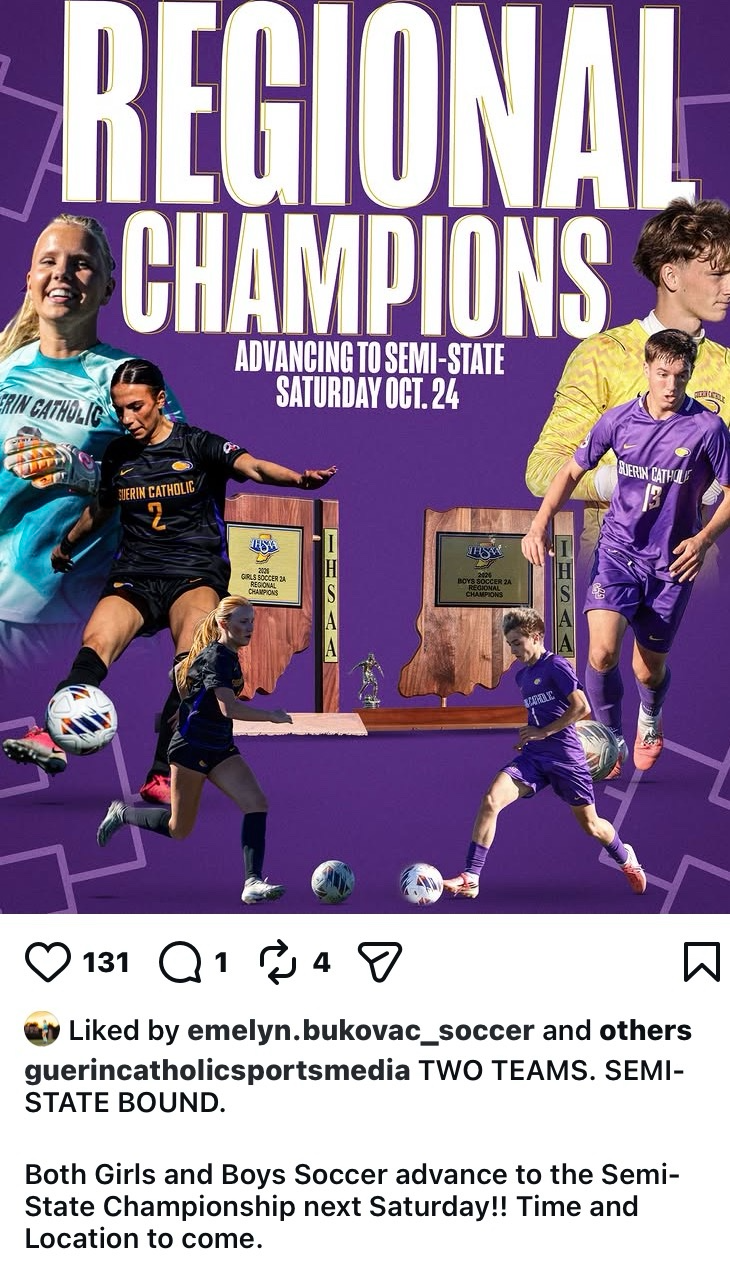
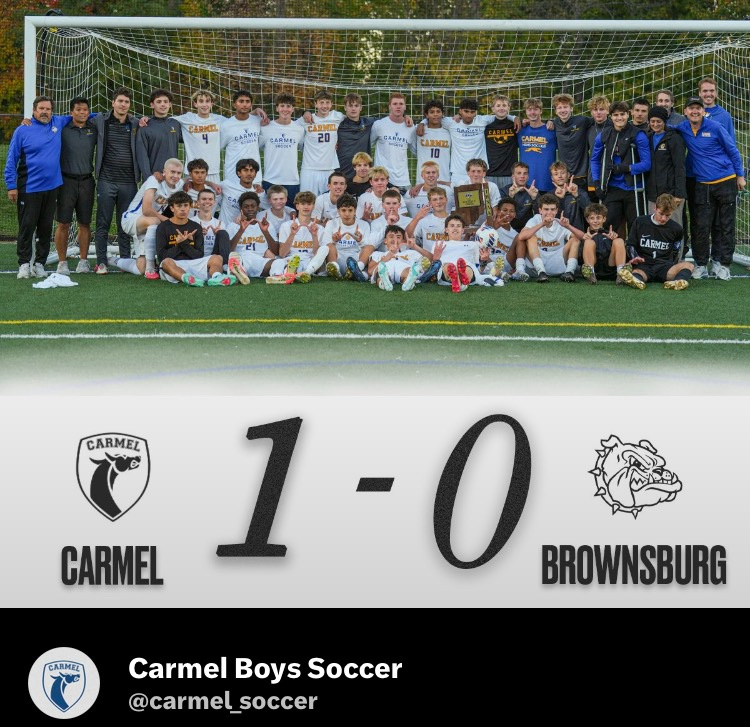

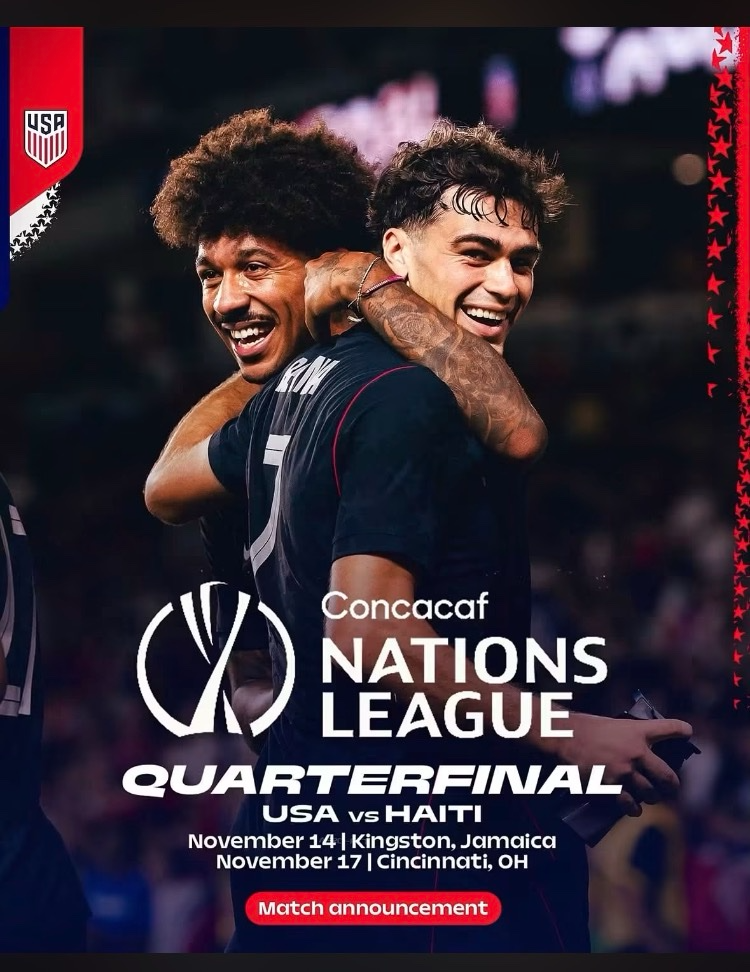


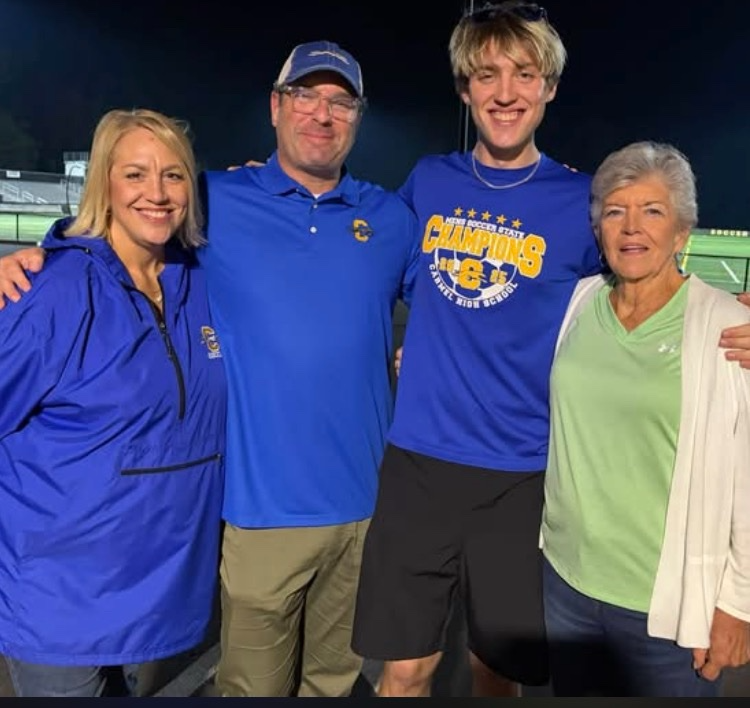
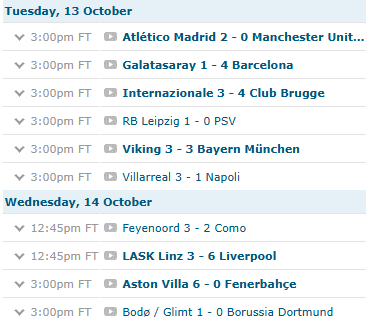
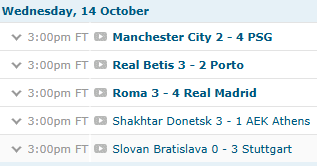



 Rog-Stradamus: Ipswich last won at City in the league in Nov. 2000. 2026 will not be the year they change that: Man City have blasted 10 goals past them in their last two meetings. This one stinks of a Haaland-inflected 4-0 Citeh stroll.
 Champions League Recap: Arsenal Handle Lille & United Fall to Atleti courtesy of Men In Blazers
 Arsenal 3-0 Lille


 Atlético Madrid 2-0 Man United
  Check out
 What does USMNT’s success without Pulisic, McKennie, Balogun mean going forward?The USMNT won four straight games without arguably its three best players. Our writers dive into the significance of that development
 Mallory Swanson’s 86th-minute equalizer lifted the US to a 2-2 draw with Spain. (Brad Smith/ISI Photos/ISI Photos via Getty Images)


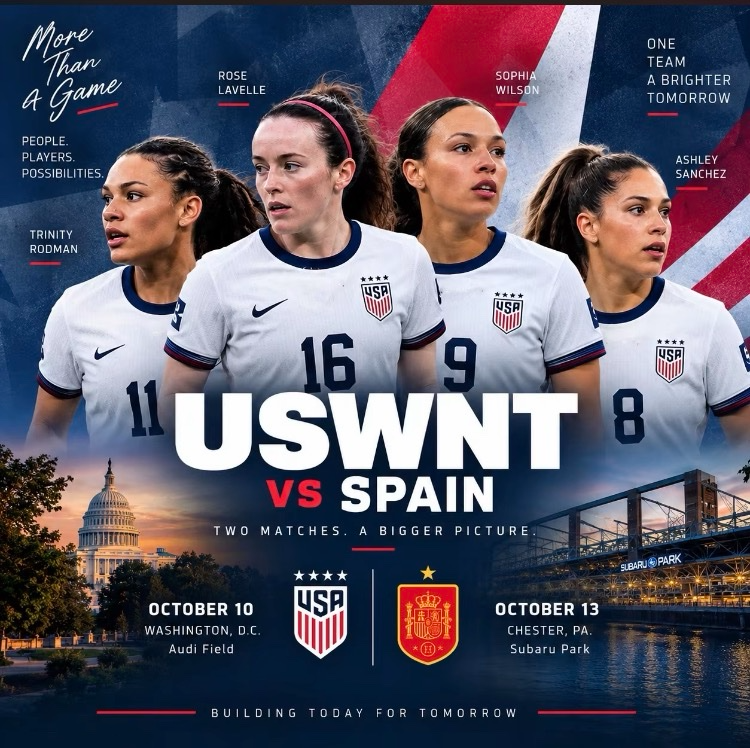
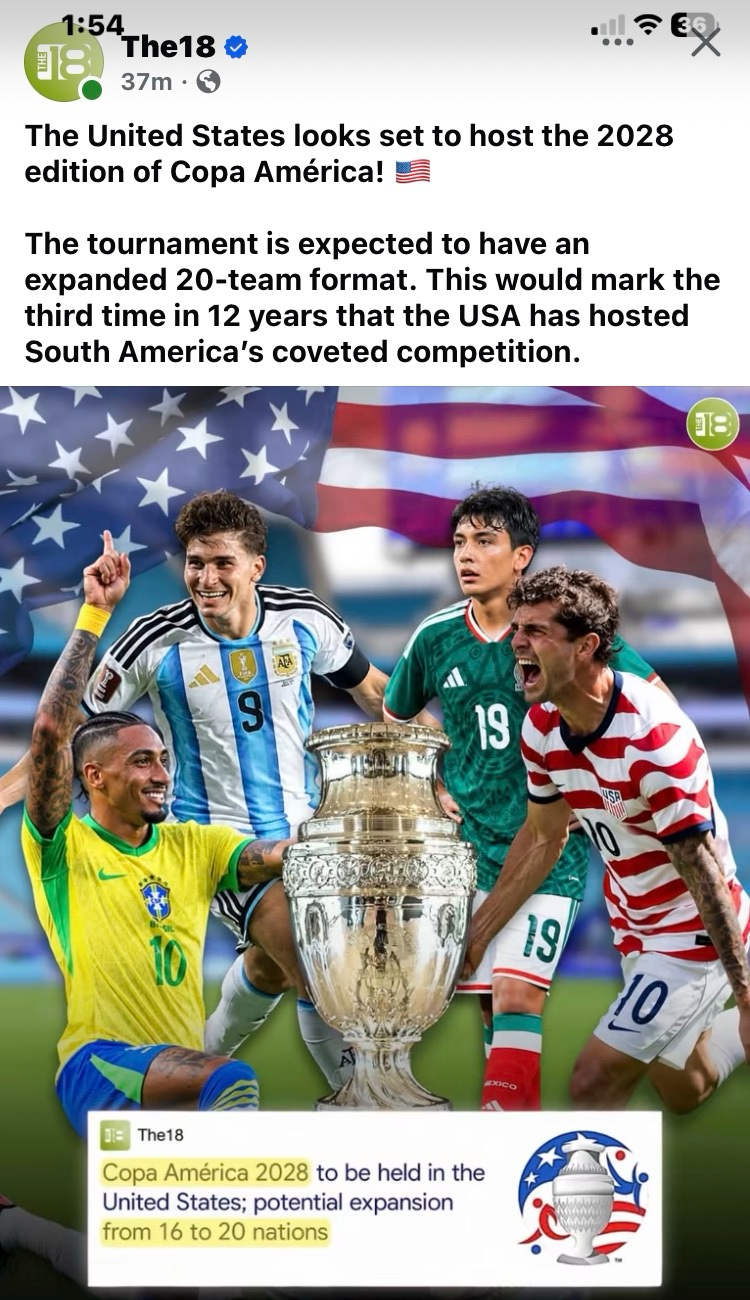

 [
[
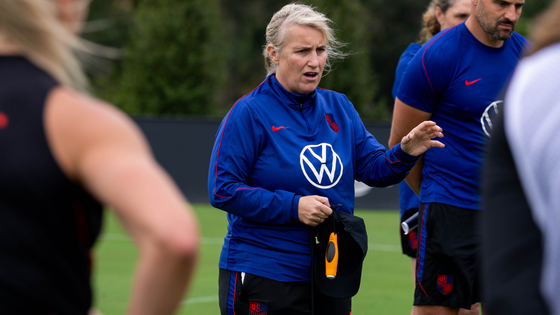


 Jeff KassoufOct 6, 2026, 02:13 PM ET ESPN


 Wrexham’s Hollywood owners have made The Turf a tourist hotspotWayne Jones’ life has been transformed by Ryan Reynolds and Rob McElhenney taking over Wrexham – his club and pub are booming


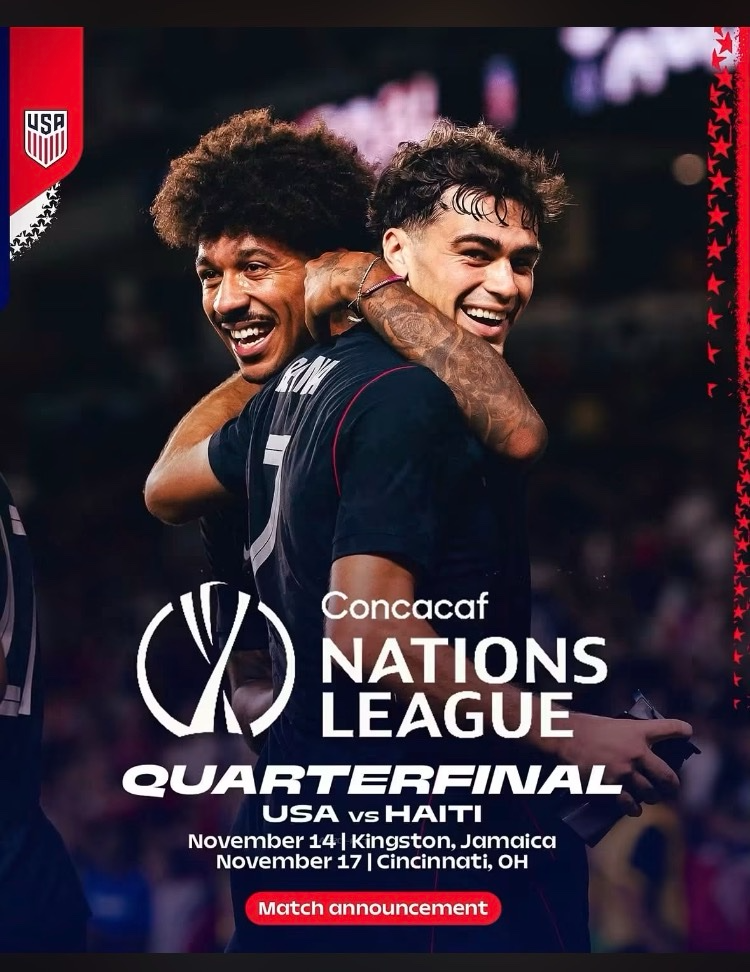
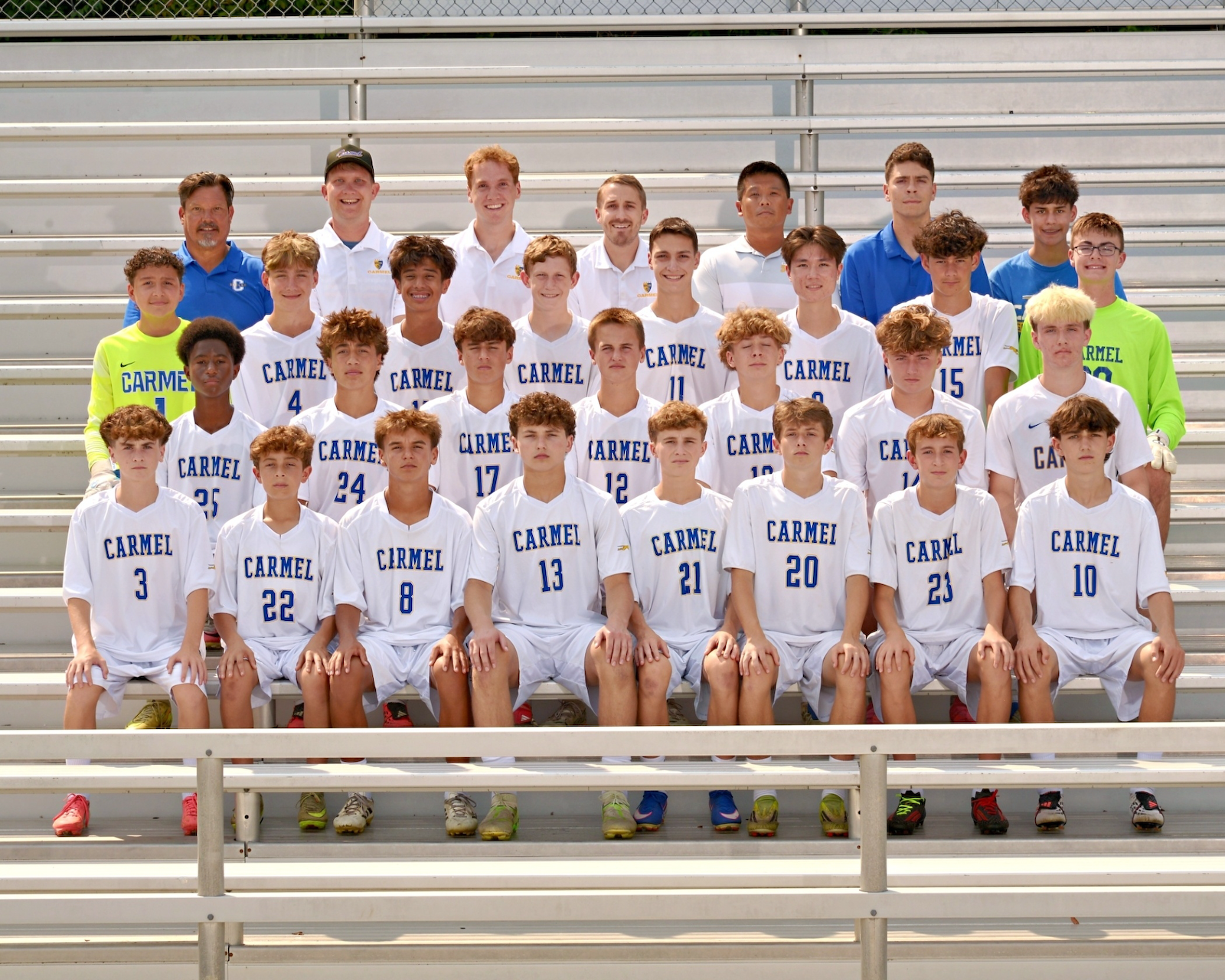
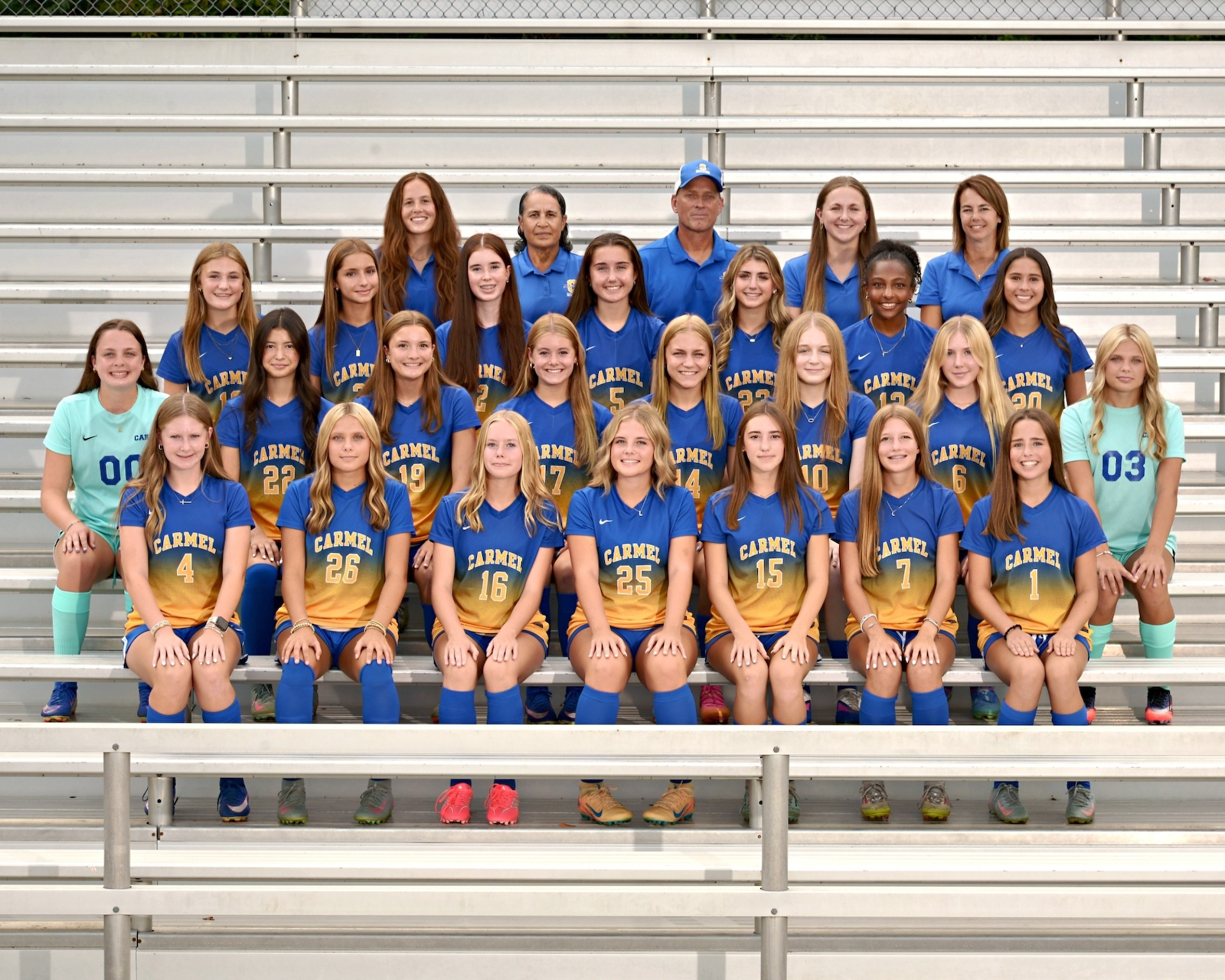

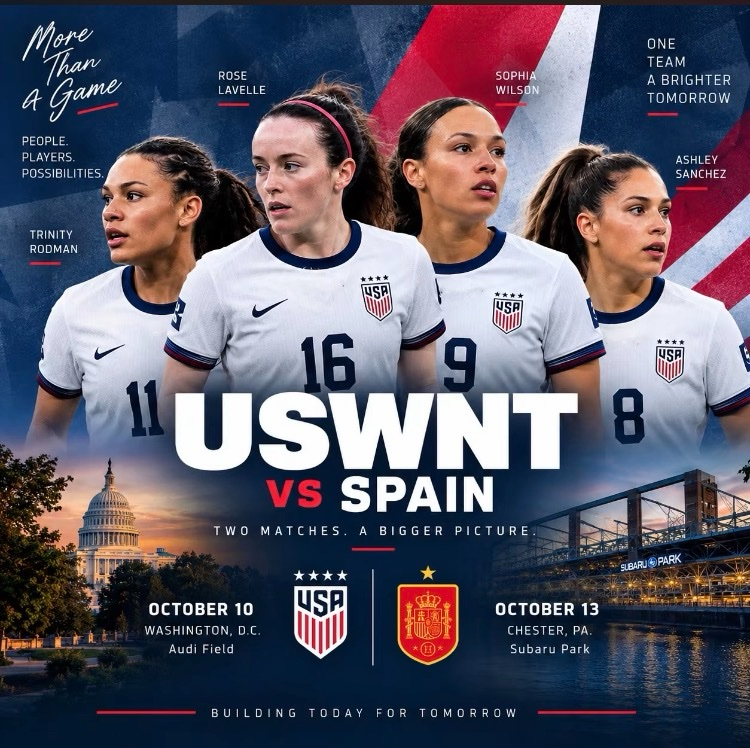
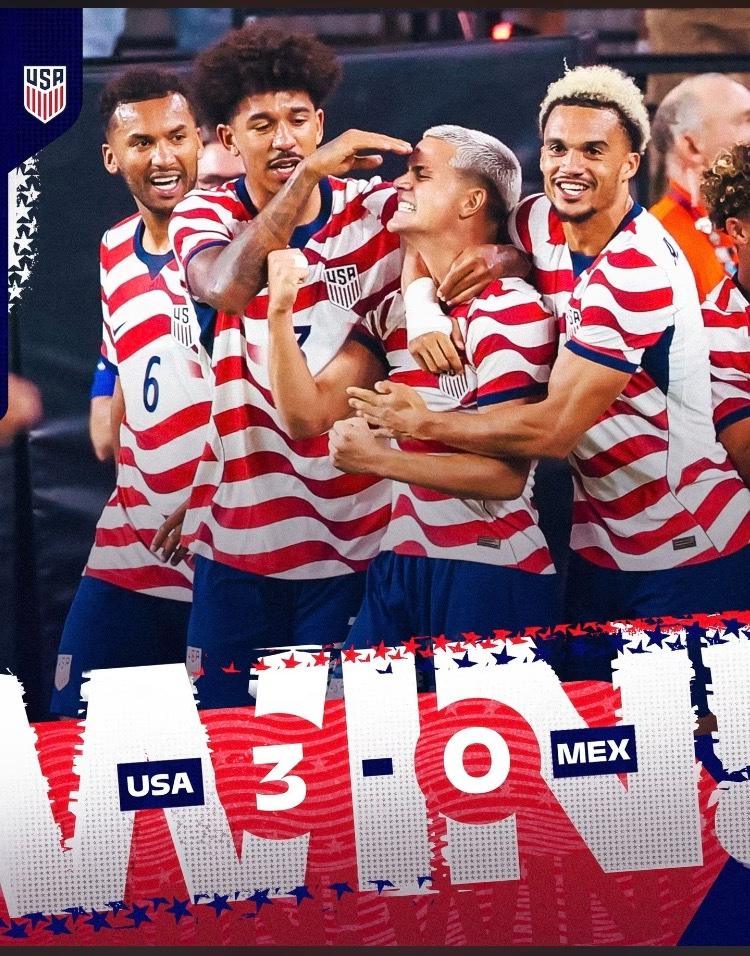
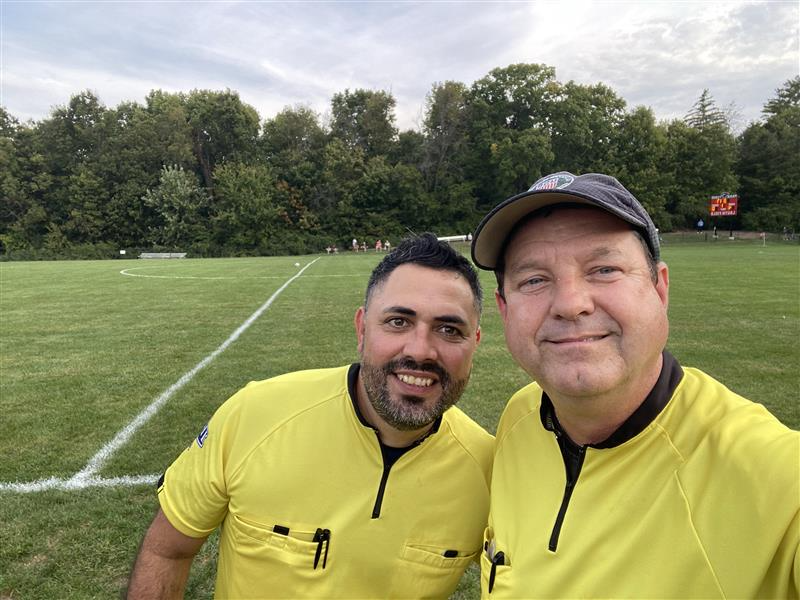
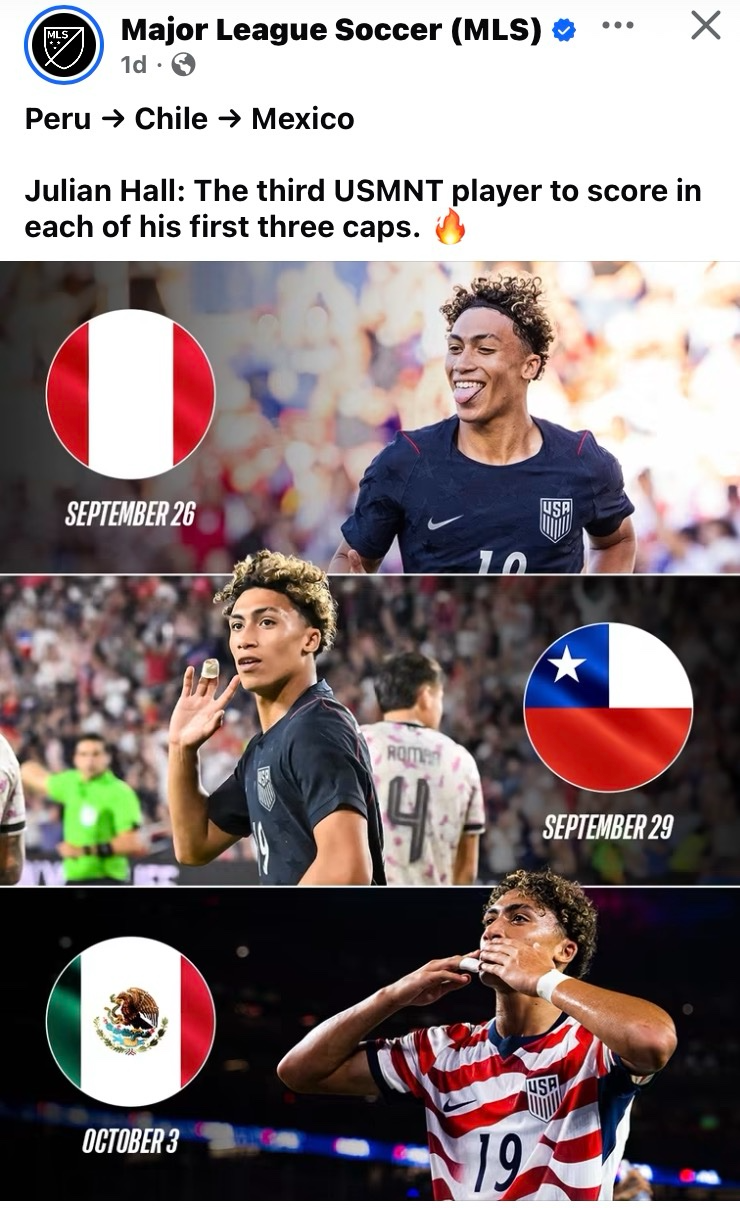
 Cavan Sullivan’s Record-Setting Night Against Mexico courtesy of the MIB Men In Blazers


 On Cavan Sullivan’s mindset: “You know, there’s no part of Cavan’s game to me that is arrogant. It’s almost workman-like. He knows his place, like “I am not bigger than the team, I have to work.” And he said post-game that it was


 State of Canada men’s soccer as USMNT clash looms: Big questions on road to 2030 World CupCanada enjoyed unprecedented success at its home World Cup. So how can Jesse Marsch and the men’s national team reach another level?


 After hosting 2026 World Cup, does USMNT, Mexico or Canada have highest 2030 upside?With the USMNT readying for matches against its two top Concacaf rivals, our writers take stock of the three nations and their 2030 outlooks
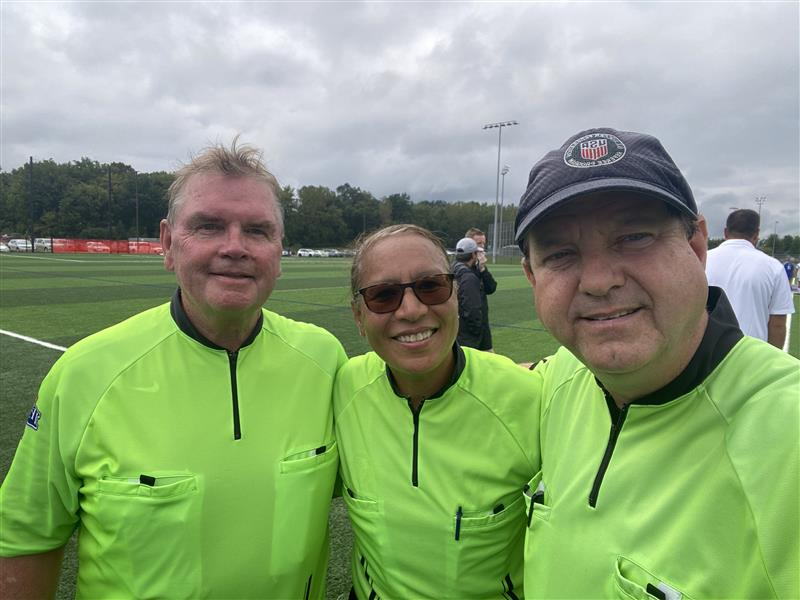


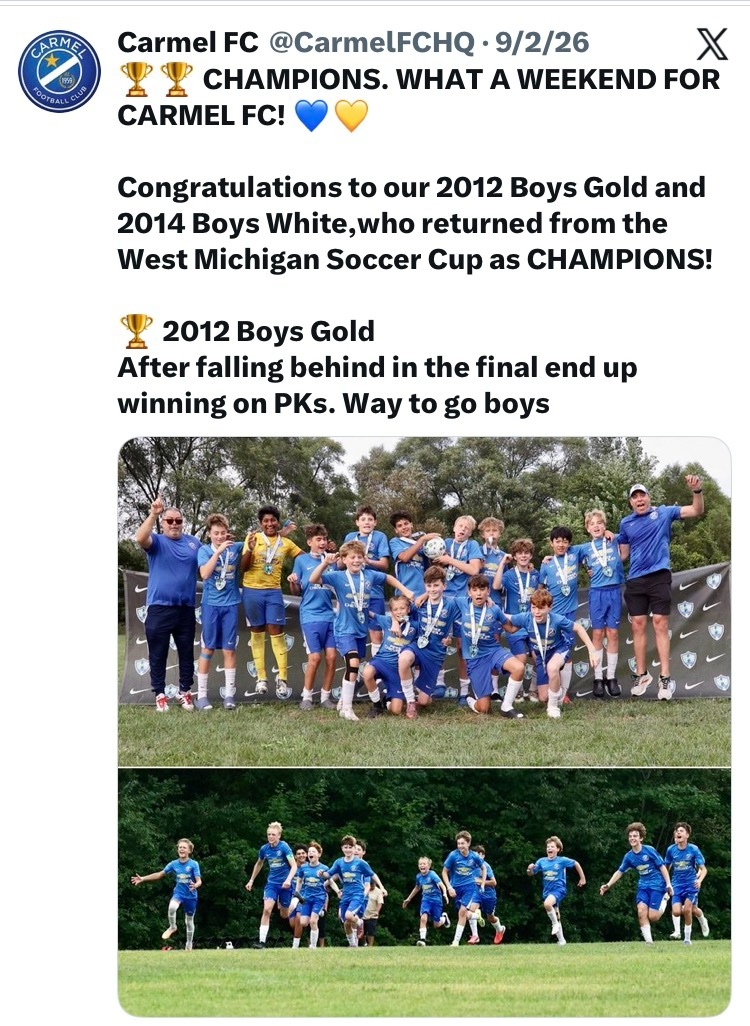

 U.S.,
U.S.,  Messi’s international farewell


 Spain’s motivation: complete the triple crown





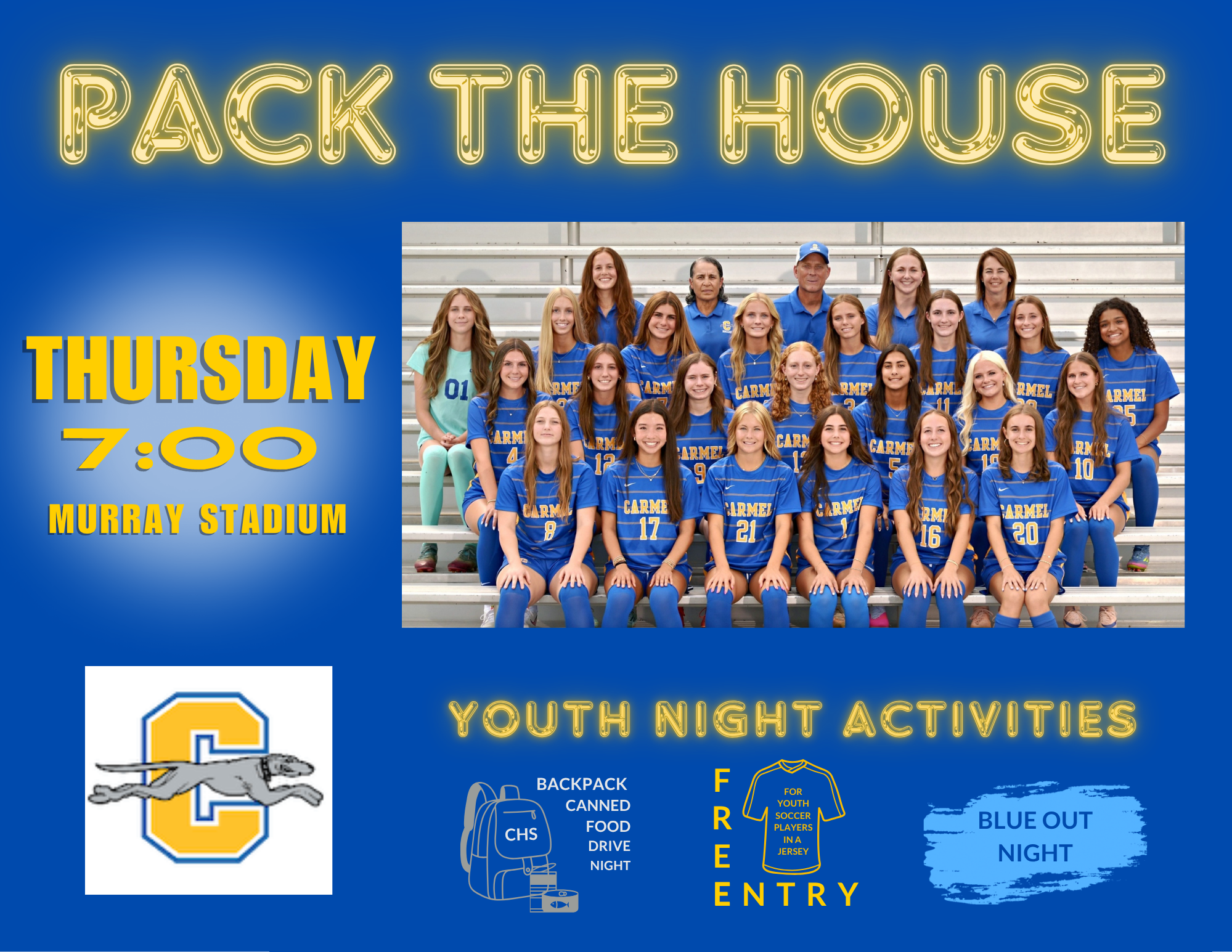
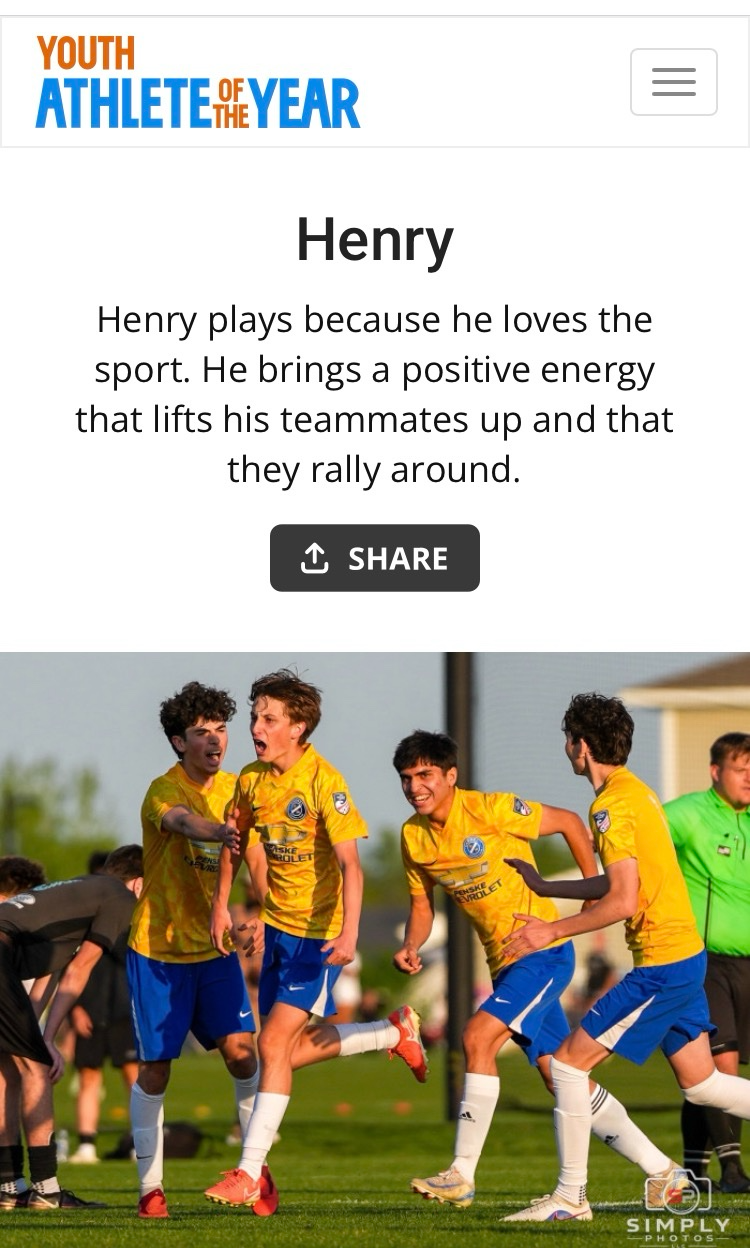
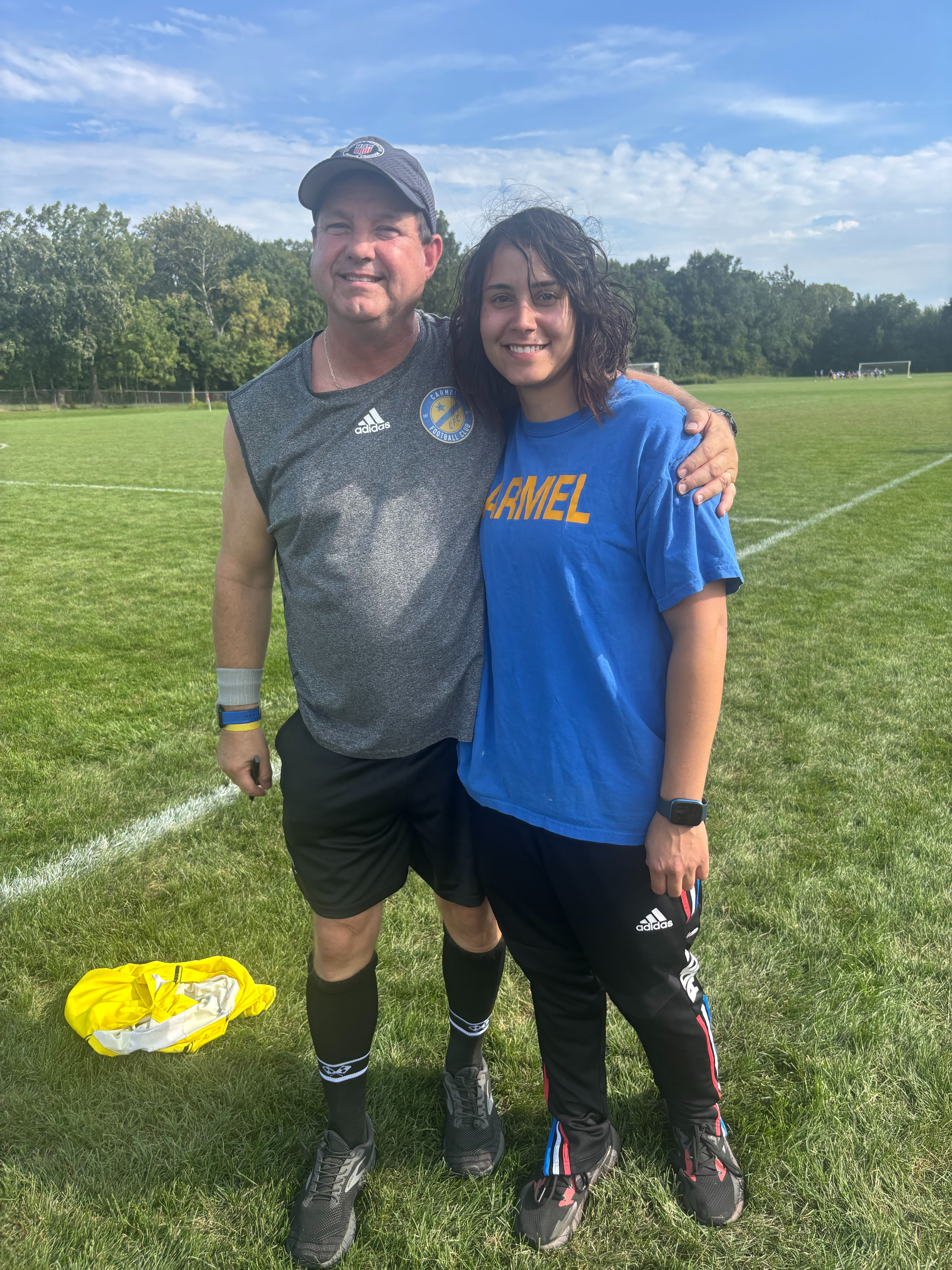
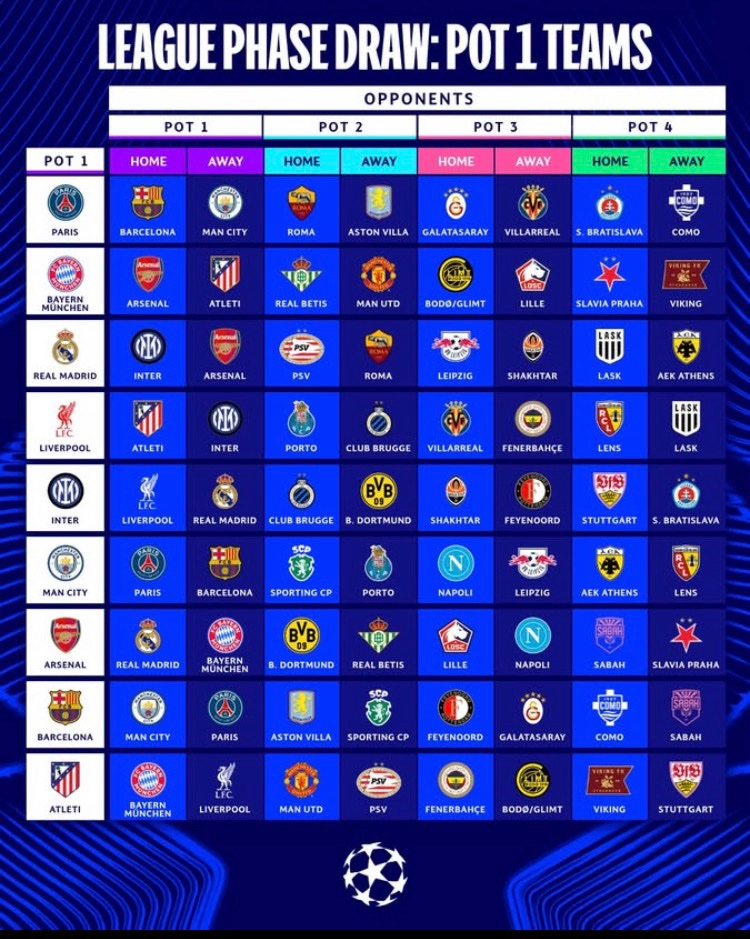
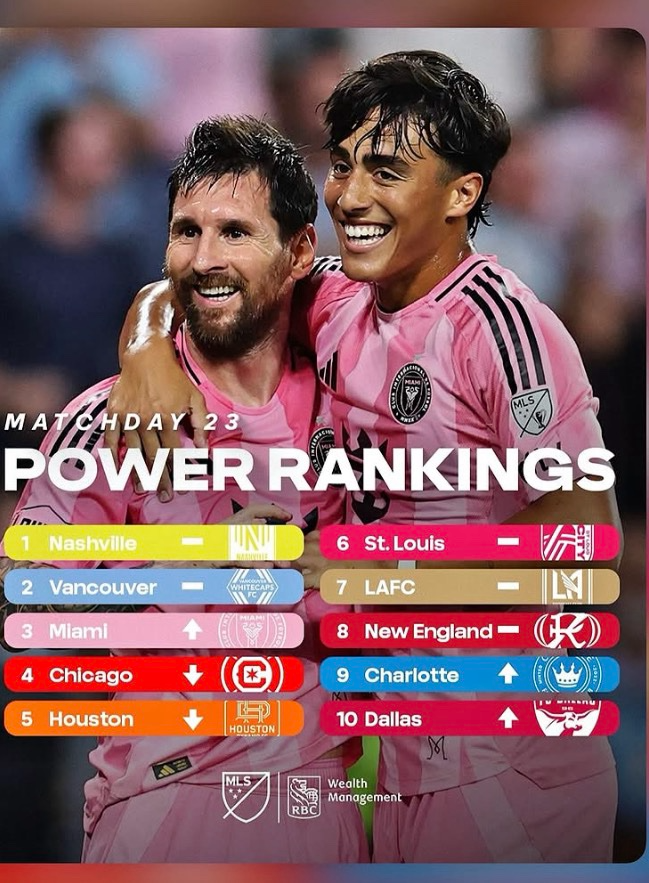
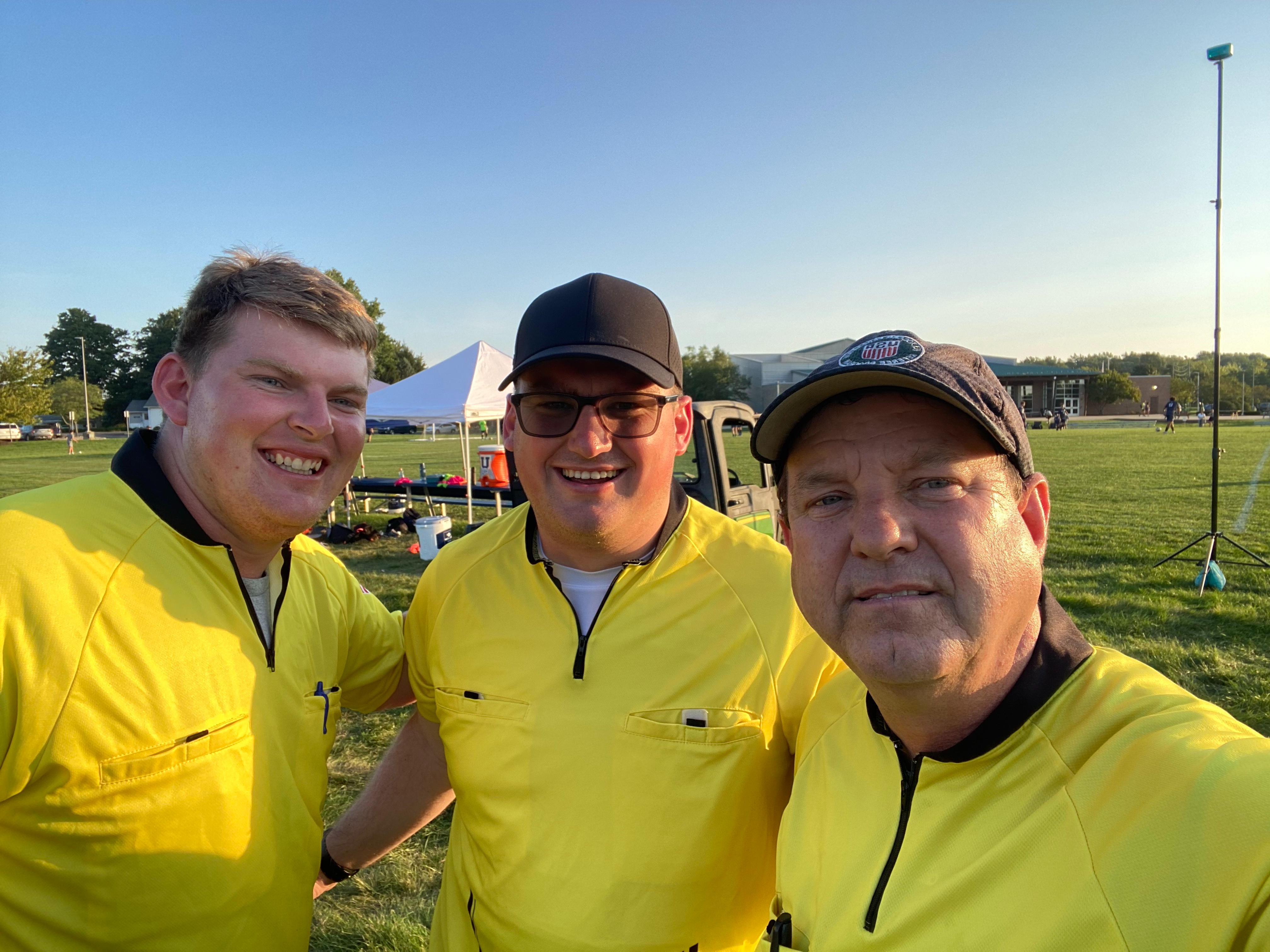
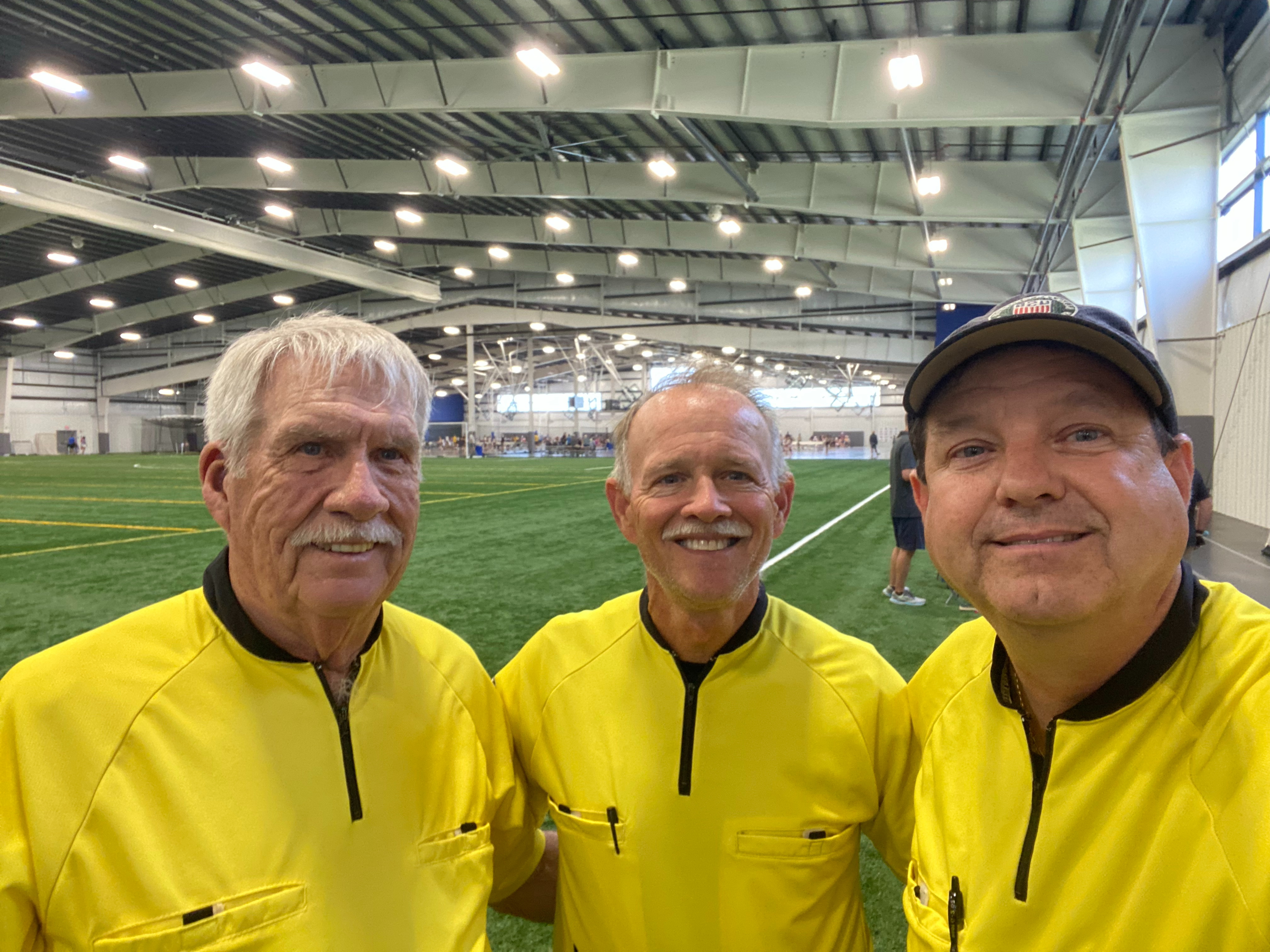
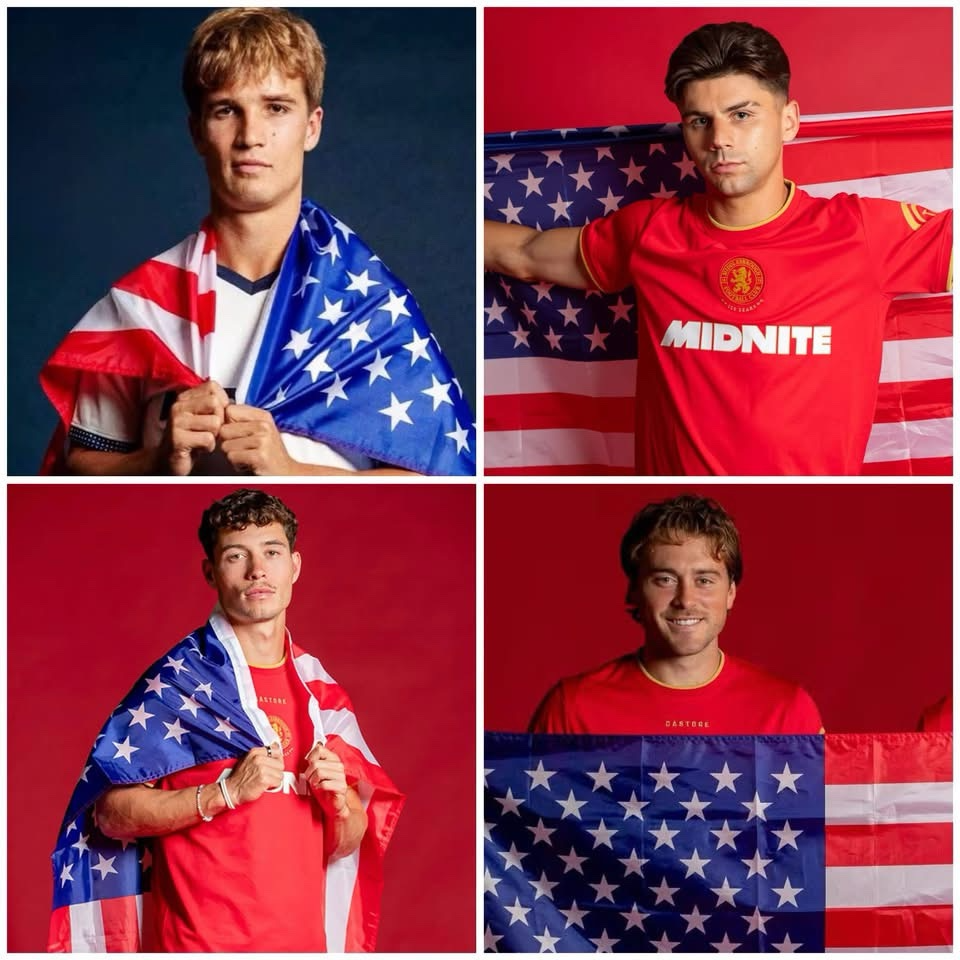


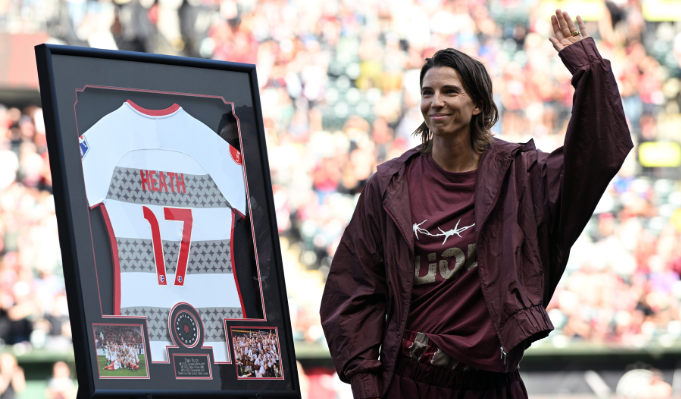
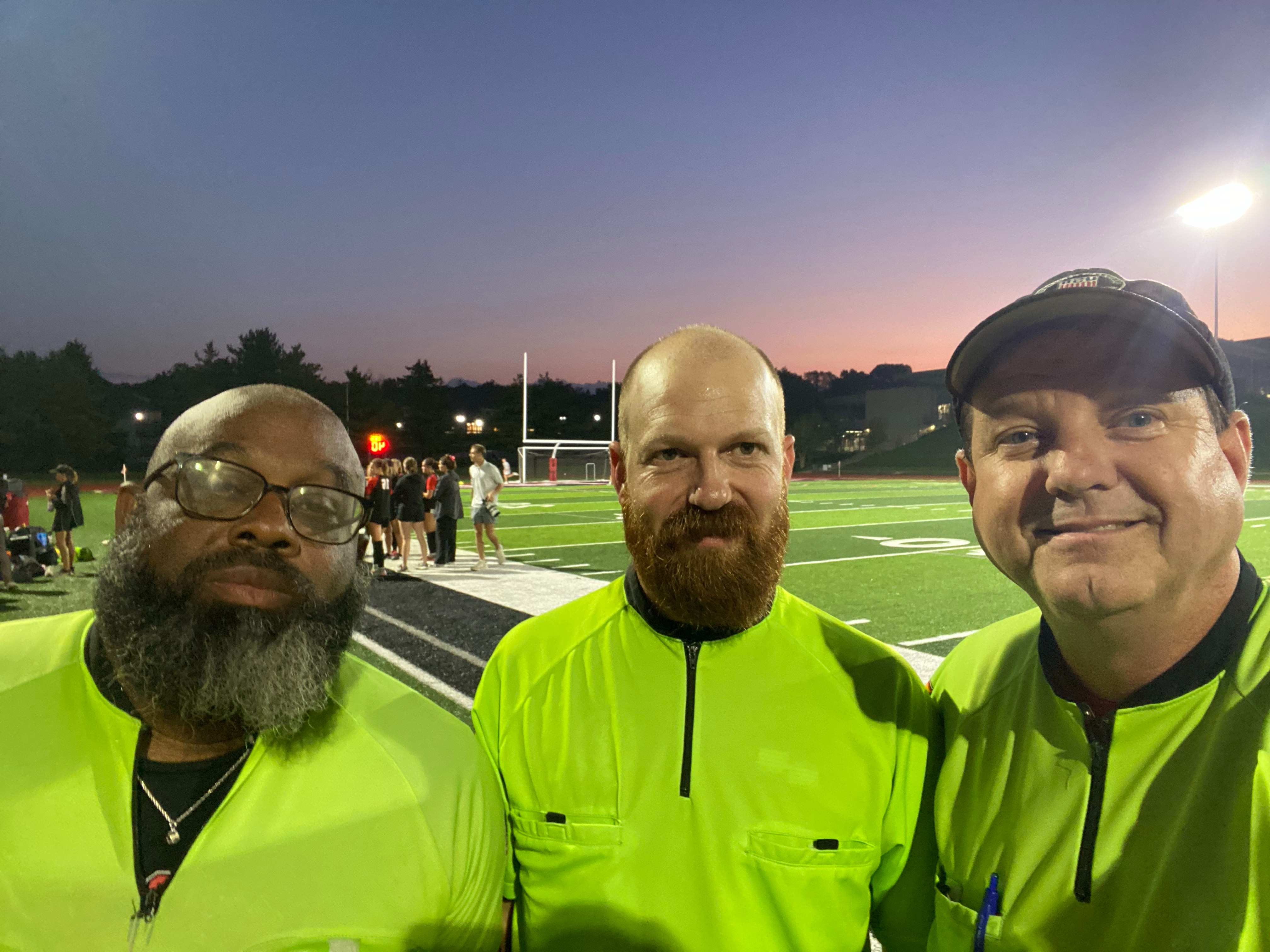

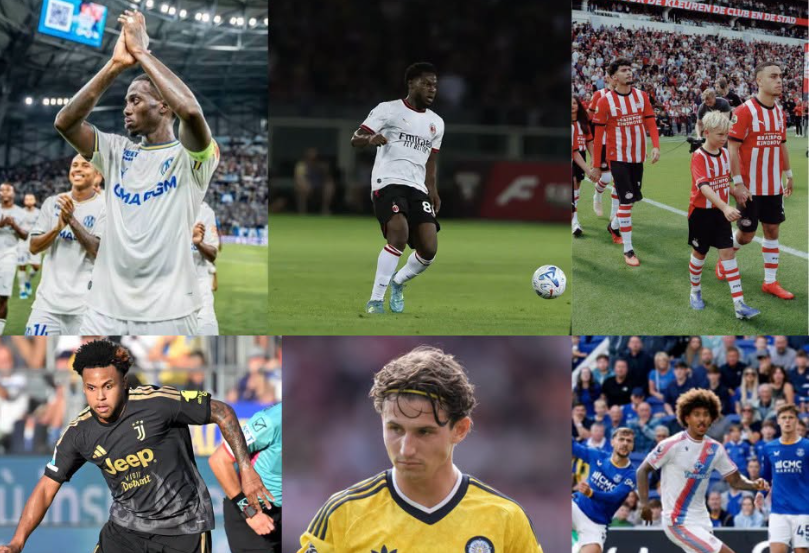
 Cesar HernandezAug 20, 2026, 07:06 AM ET









 A ‘broken’ system, nascent culture: Why the U.S. has never had a world-class men’s soccer starThe USMNT has featured very talented players over the years, but none occupying the rarefied air of the true global elite. Why not?
 U.S. soccer’s ‘pay-to-play’ problem: The lightning-rod issue explained in a World Cup contextUSMNT’s World Cup ouster has plenty focused on the country’s youth development system, a complex —and costly — element in a bigger picture

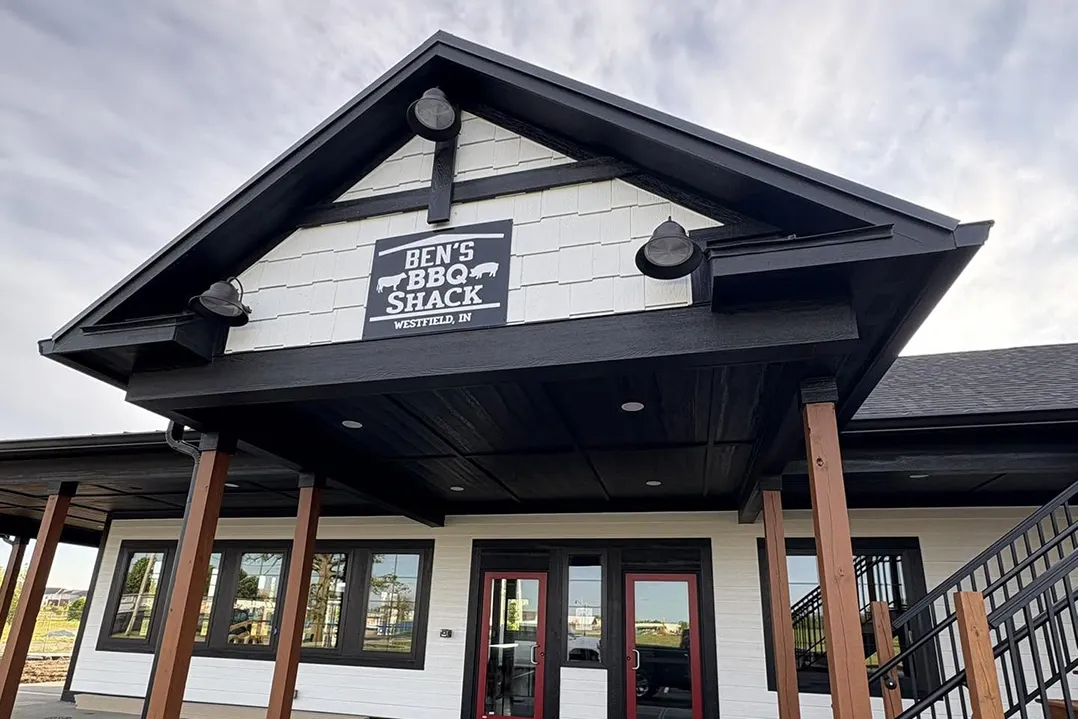
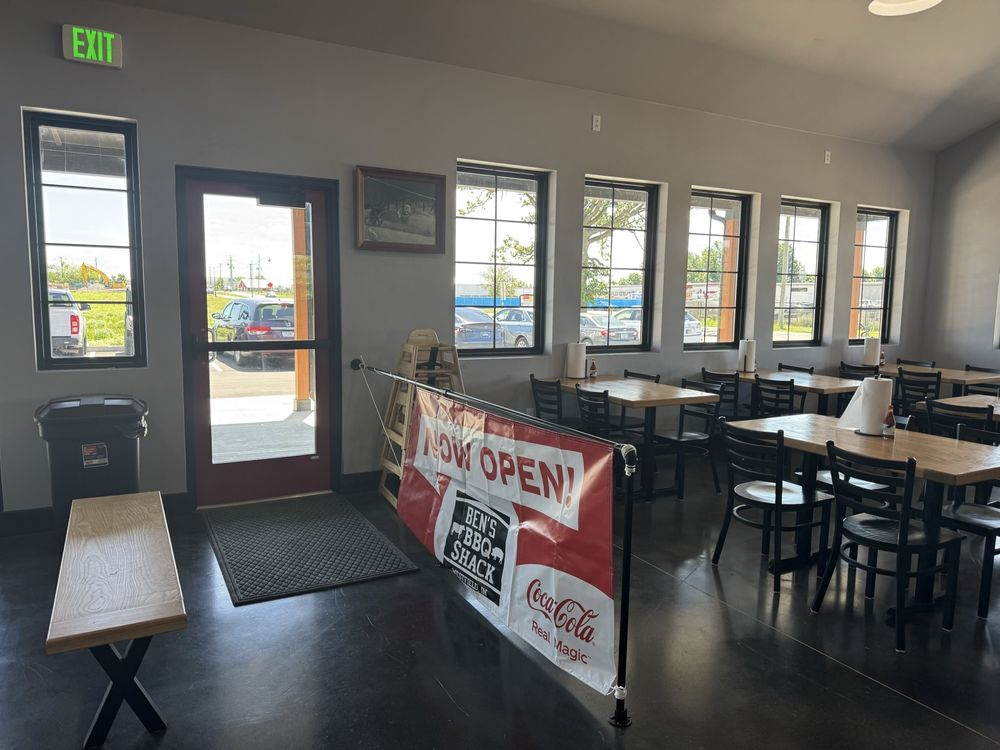
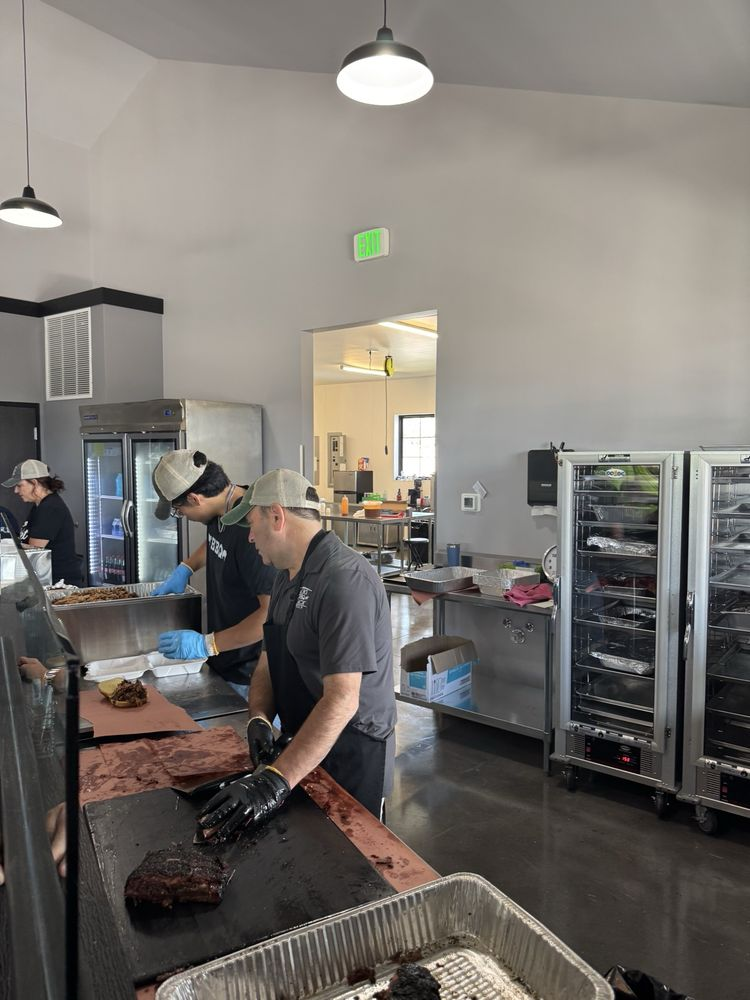


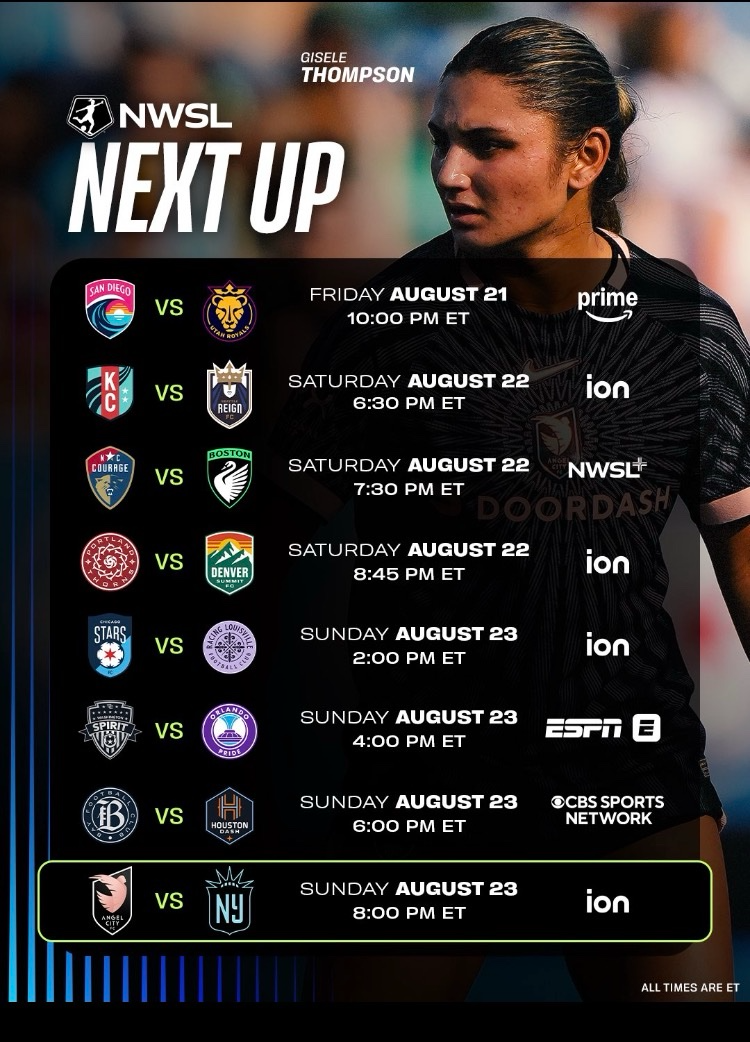
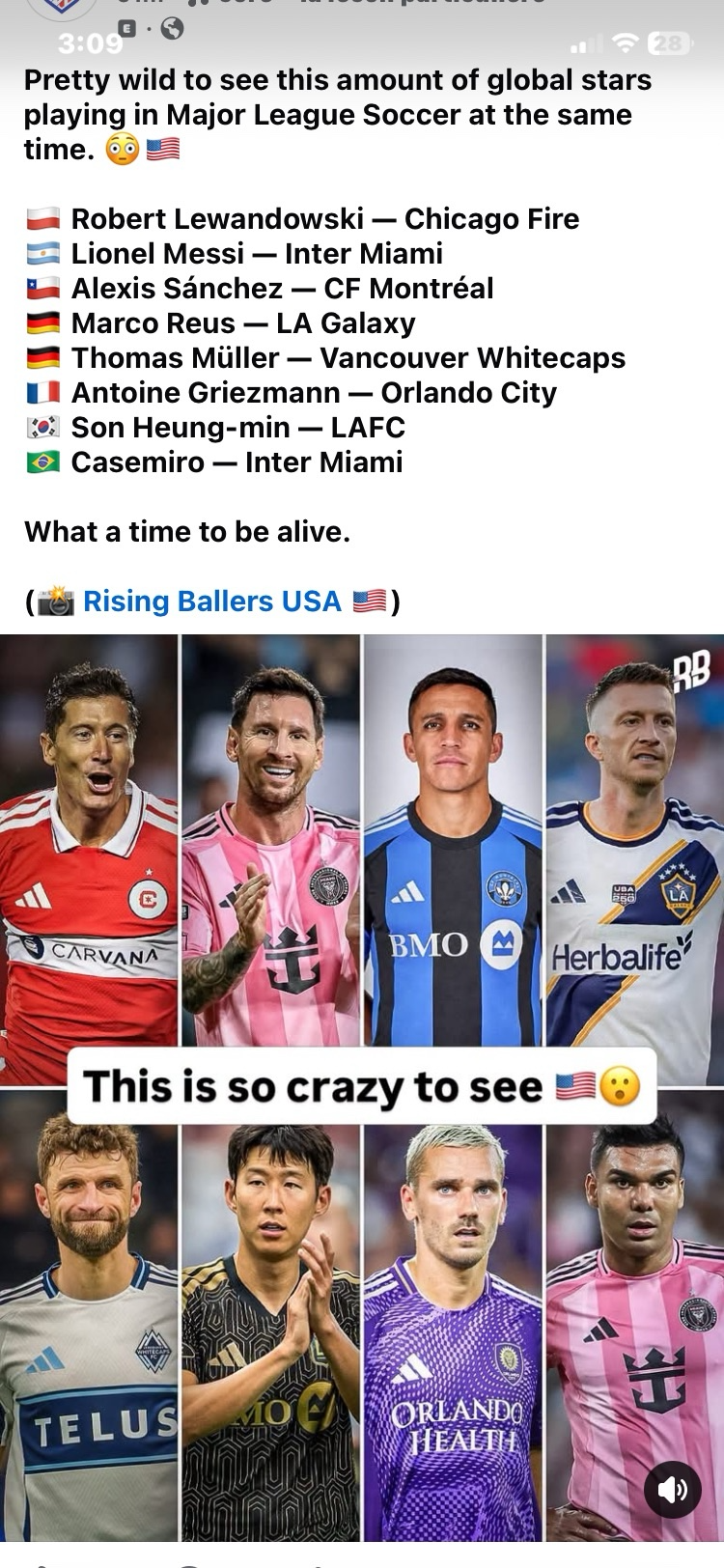



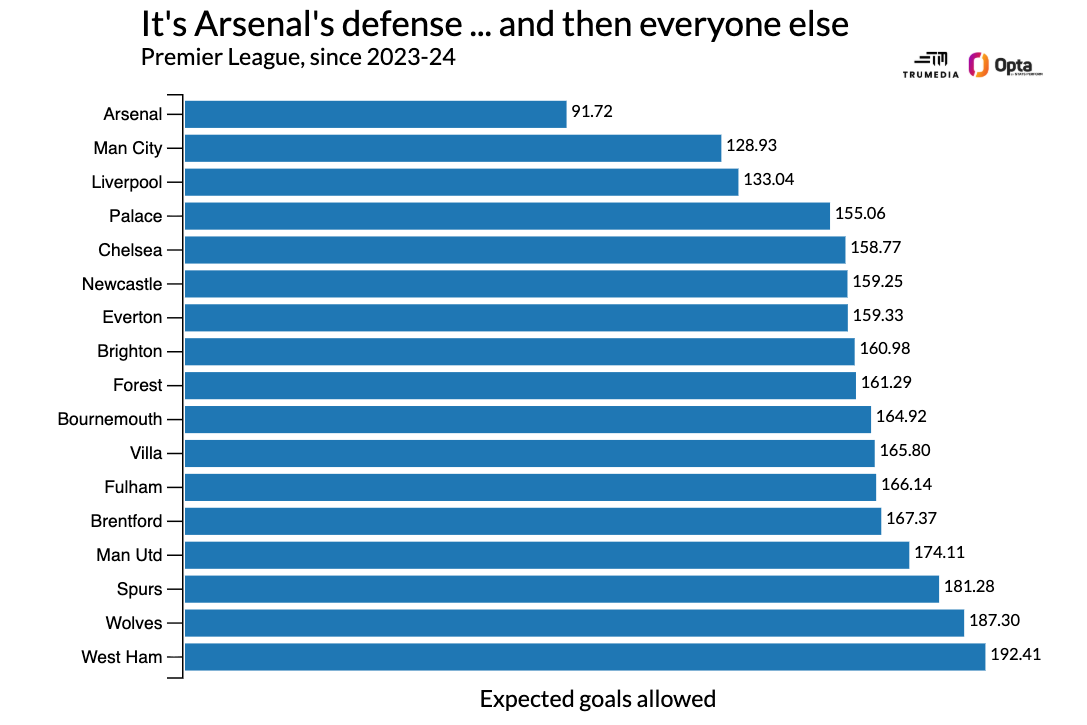




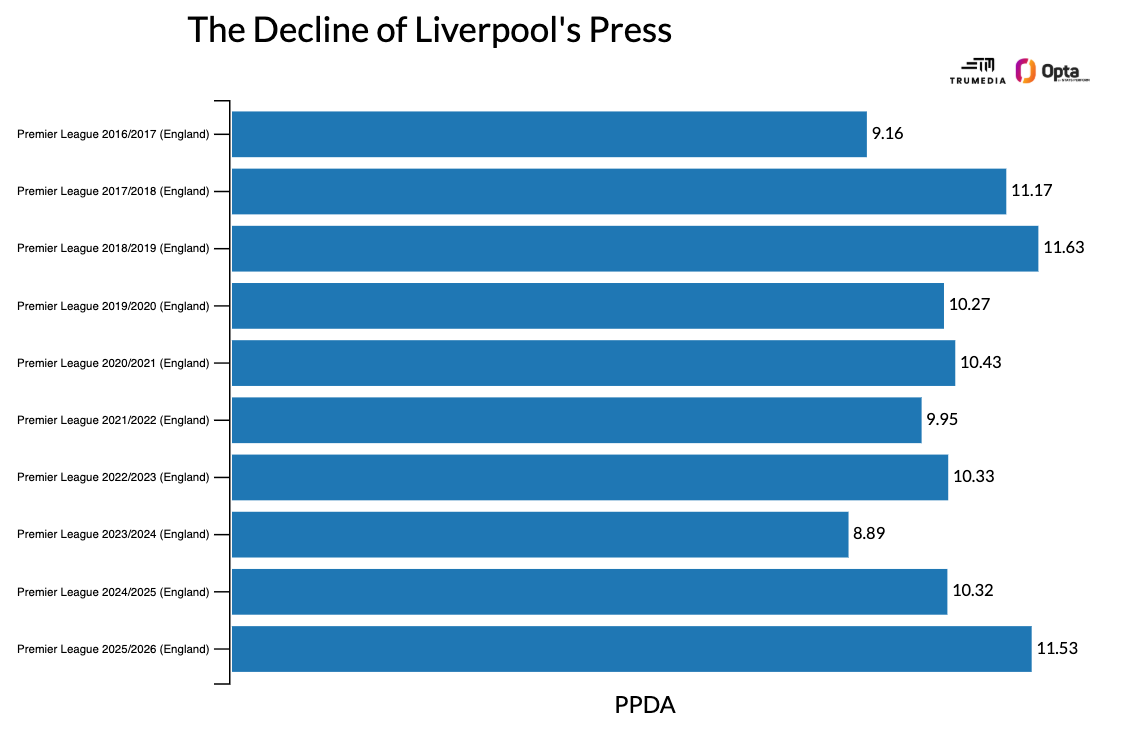

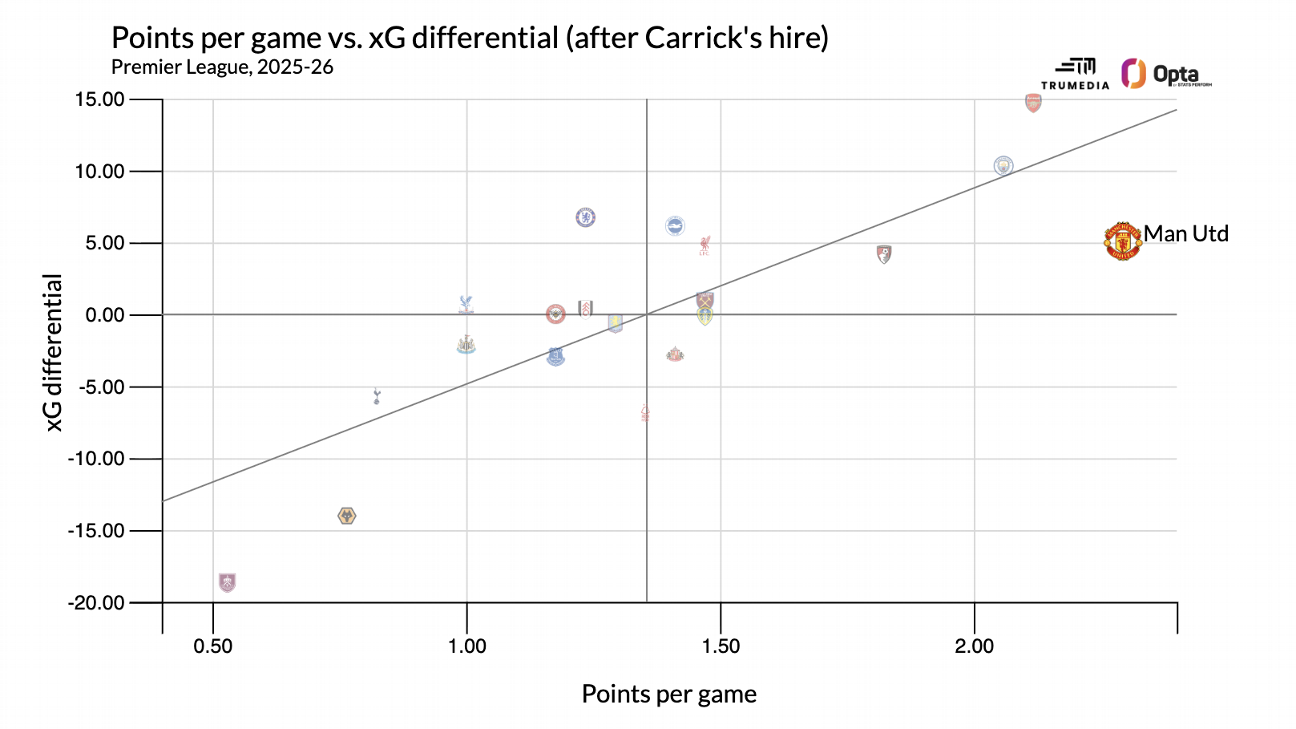
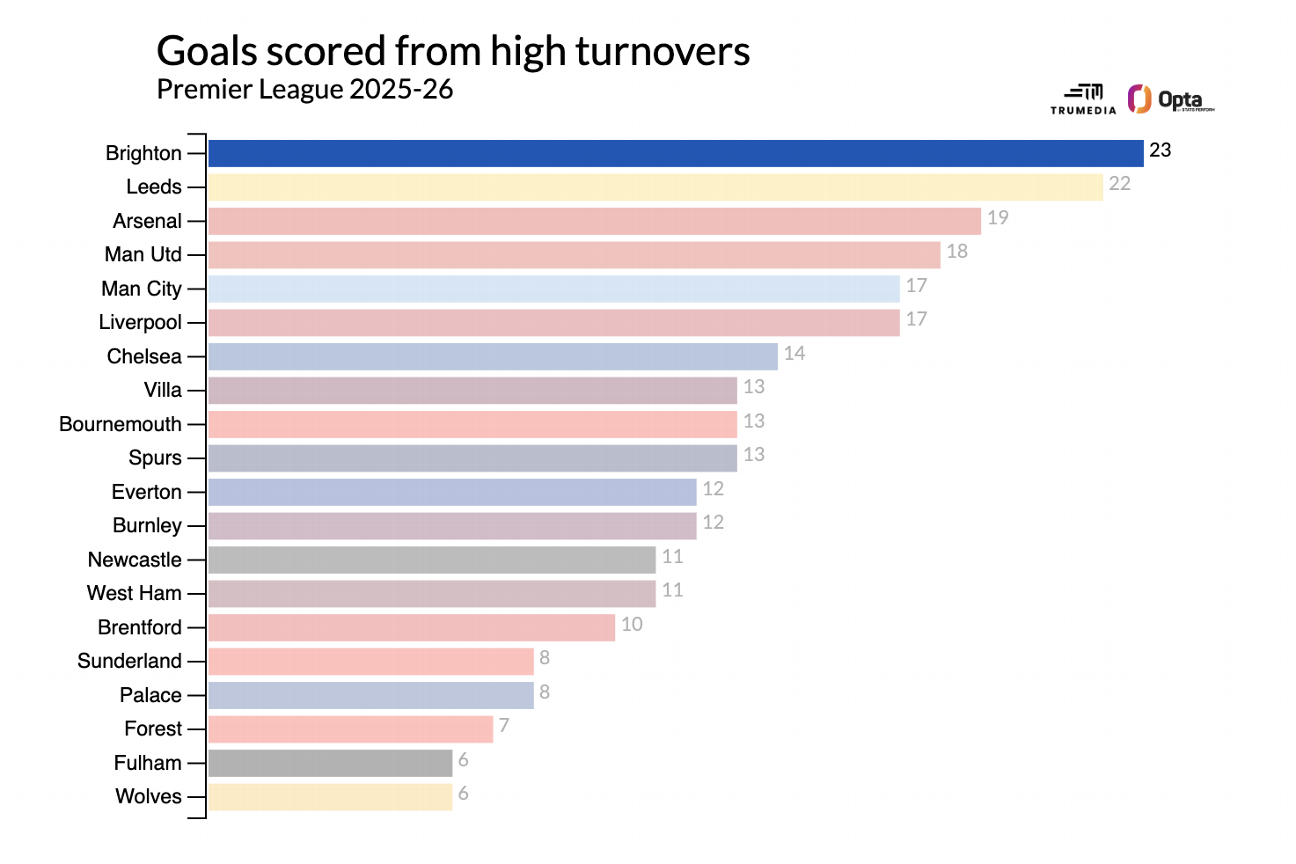


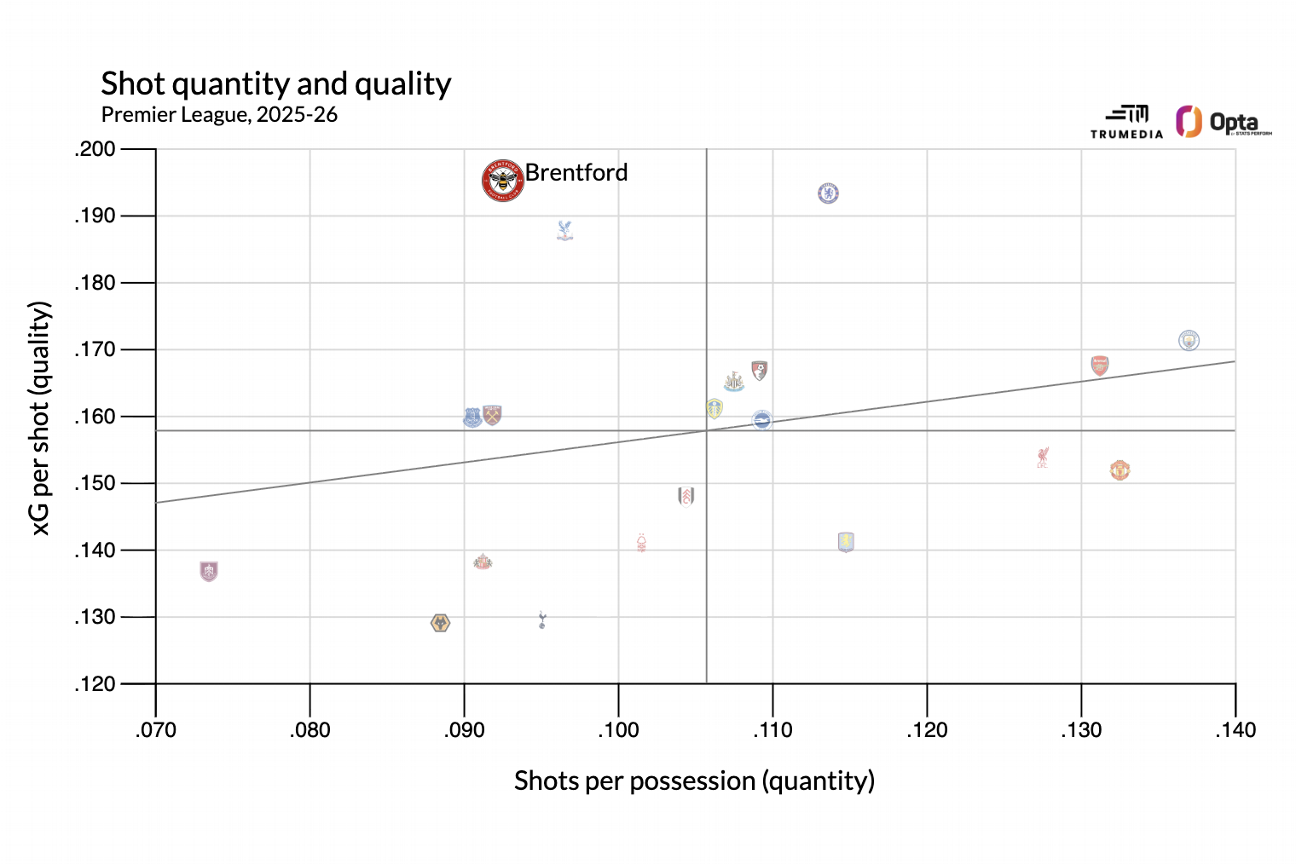

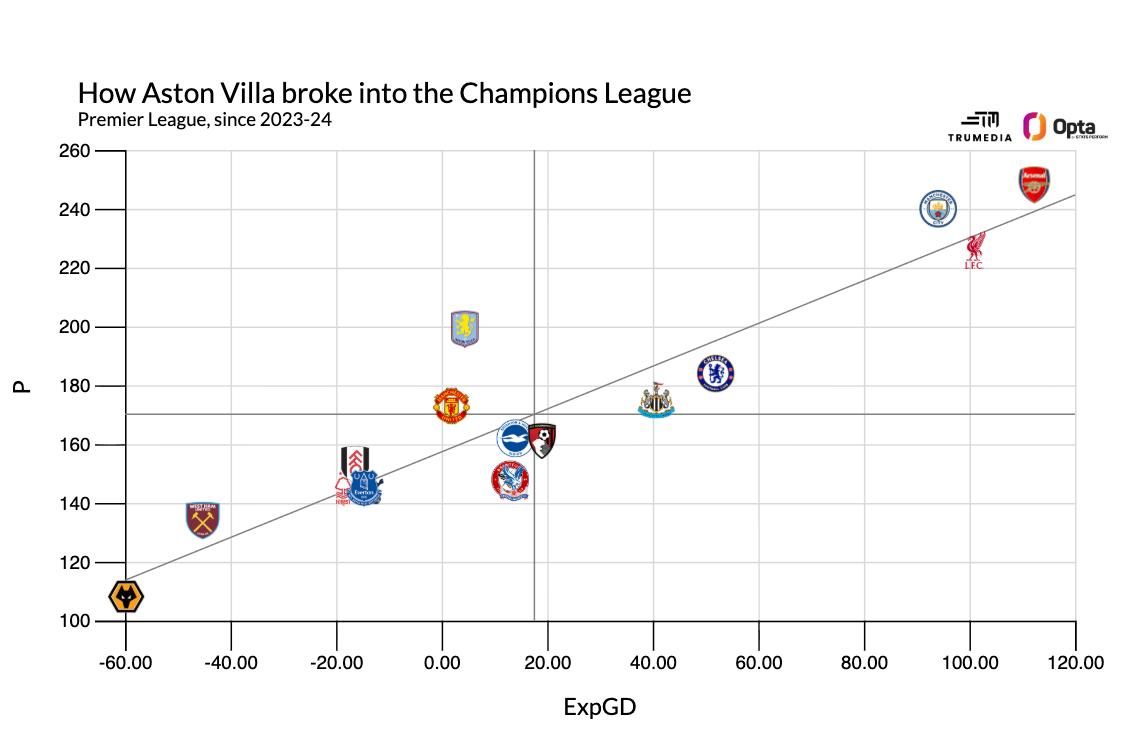





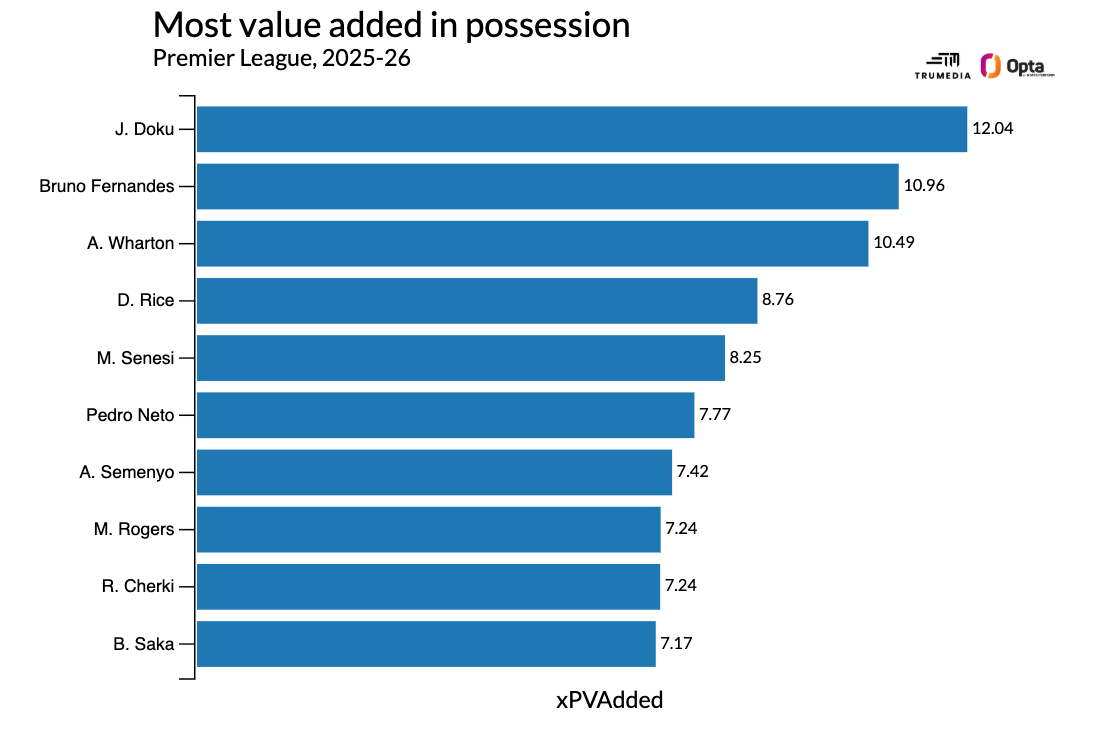






 Top MLS Stories


 The Premier League’s glass ceiling: How financial rules limit many clubs’ ambitionsThe introduction of a squad-cost-ratio system has raised concerns that it increases the advantage of the ‘Big Six’


 anking the 50 best players in the Premier League before the season beginsOnce a month throughout the 2026-27 season, we will update this list, showing the risers, the fallers, the new entries and the dropouts…
